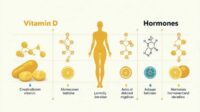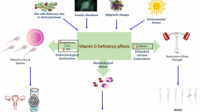
What if the simplest daily habit could add a little leverage to your menopause journey? Picture this: you’re stepping out of a busier season—sleep disruption, mood shifts, and hot flashes creeping in like uninvited weather. Now imagine one more variable entering the conversation, not as a miracle, but as a well-timed ally. Vitamin D is often discussed for bone health, but the story for menopause prevention is broader than most people expect. So, when is the best time to start?
Why timing matters more than you think
Vitamin D doesn’t behave like a quick-fix supplement that you swallow and instantly feel. It works more like a background conductor, helping regulate calcium absorption, supporting muscle function, and influencing pathways related to inflammation and endocrine signaling. In other words, timing isn’t everything—but it is a lot.
Starting before menopause (or during the earlier perimenopausal window) gives your body more time to build reserves and maintain steadier physiology. The challenge? Many adults don’t think about “preventive” supplementation until symptoms show up. By then, the body has already entered a phase of transition.
Consider this a gentle puzzle: you’re not just choosing a vitamin—you’re choosing a season. And the season you pick can shape how consistently your body benefits.
The “peri” window: the most strategic moment for many men
Menopause prevention is often discussed for women, yet the endocrine environment is shared across many midlife health concerns—sleep regulation, metabolic balance, and musculoskeletal integrity. The best time for men considering menopause-adjacent prevention goals often aligns with the broader midlife transition: the years when hormone gradients begin to shift and lifestyle stress accumulates.
Perimenopause-like timing may not apply literally to men, but the practical takeaway does: if you’re approaching midlife and want to reduce future risk, earlier is generally more prudent than later. Think of vitamin D as part of a long-range strategy, not a seasonal subscription.
Still, here’s a playful challenge: if you only start thinking about vitamin D after your annual labs show a dip, are you building a plan or merely reacting? A reactive approach is understandable. It’s also less empowering.
Morning vs. evening: does the clock change the effect?
Vitamin D is fat-soluble, which means timing around meals can matter as much as the hour of day. Many people do well taking it with breakfast—especially if breakfast includes some dietary fat. That helps absorption and reduces the “will I remember?” problem.
That said, timing is personal. Some prefer dinner because it becomes a predictable routine. The real question isn’t whether it’s morning or evening; it’s whether it’s consistent and paired with food.
Short version: take it when you’ll actually do it. Long version: choose a routine that supports absorption—then keep it steady for months, not days.
Sunlight first, supplement second (or both together)
Vitamin D can be synthesized in the skin through ultraviolet B exposure. But modern life has a knack for stealing sunlight: indoor work, sunscreen habits, high latitudes, winter weather, and even cloud cover. Even people who feel they “get outside” may not get enough UVB to maintain optimal levels.
Here’s the catch: relying on sun alone can be inconsistent, and consistency is what builds a reliable vitamin D status. For many men, a hybrid approach works best—safe sun exposure when feasible, plus supplementation to bridge gaps.
Imagine sunlight as a sparking bicycle light: it helps, but it’s not a full engine. Supplements can function like the steady momentum, especially during low-sun months.
Testing: the least dramatic step with the biggest payoff
Before choosing a dose, consider a baseline lab test—typically 25-hydroxyvitamin D. It’s the common marker used to estimate vitamin D status. Testing doesn’t need to be obsessive. It simply prevents guesswork, which is where many people run into trouble.
The challenge is that vitamin D conversations often become “one-size-fits-all.” Yet vitamin D requirements can vary with skin tone, body weight, latitude, diet, and even gut absorption. A thoughtful start is to measure, then tailor.
If levels are low, your plan becomes clearer: you address deficiency, then transition into maintenance. If levels are adequate, you may choose a smaller maintenance dose—or none—depending on your clinician’s guidance and your risk profile.
How to start safely: dose escalation vs. steady maintenance
When someone is deficient, a structured “repletion” phase is often used, followed by maintenance. When someone is sufficient or near-sufficient, a modest maintenance dose may be enough. The most important detail is avoiding uncontrolled high dosing. Vitamin D is fat-soluble, meaning excess can accumulate.
A playful truth: vitamin D has a “too much” counterpart, and it’s not a rumor—it’s physiology. Overdoing it can lead to elevated calcium levels and related issues.
So the safest path usually looks like this: assess status, start with an evidence-based dose, then recheck after a few months. A calm, measured approach beats a frantic attempt to “catch up” overnight.
Diet and supplements: building a dependable vitamin D “infrastructure”
Vitamin D intake from food is limited for most people, but not nonexistent. Fatty fish (like salmon or sardines), egg yolks, and fortified dairy or plant alternatives can contribute. Still, many men find diet alone doesn’t consistently maintain levels.
That’s where supplements fill the gap. The key is to treat them as part of an overall nutrition pattern—not a standalone fix. When vitamin D is paired with adequate calcium intake and supportive nutrients, the body can more effectively use what it’s receiving.
Also remember magnesium. It plays a role in vitamin D metabolism. This doesn’t mean everyone needs high-dose magnesium, but it does explain why “vitamin D only” can sometimes feel underwhelming.
Bone, muscle, and mood: the broader menopause-prevention ecosystem
Menopause prevention is often framed as symptom mitigation and long-term risk reduction, especially for bone density. Vitamin D supports calcium absorption, which matters for skeletal integrity. But the story doesn’t end at bone.
Vitamin D can also contribute to muscle function. Better muscle function supports balance, mobility, and fall prevention—especially important during the hormonal transition years. Mood and inflammation signaling are also discussed in the broader health literature, though responses vary person to person.
If you want a tangible challenge to consider: are you only looking at “bone” benefits, or are you thinking in systems? Menopause prevention is rarely a single-variable problem. It’s a whole-body orchestra.
Seasonal strategy: summer optimism vs. winter realism
Many people notice how sunlight changes their energy. That’s not just psychological; it’s biological rhythm. Vitamin D levels can drop during winter months depending on latitude, cloud cover, and time outdoors.
A smart approach is to plan proactively. If your levels tend to fall in colder seasons, consider starting—or adjusting—before winter fully arrives. This is when people often discover they’re running low.
Short sentence, strong message: don’t wait for the symptoms of winter to become the measurements of your vitamin status.
When to start: a practical timeline you can actually follow
If you’re considering “the best time” in the most actionable sense, think in phases:
Phase 1 (Now): If you haven’t had a vitamin D test in a while, schedule one. Check your current status and discuss risk factors.
Phase 2 (This month): Start supplementation if recommended based on your levels, and take it with a meal containing fat. Choose a time you can repeat daily.
Phase 3 (In 8–12 weeks): Reassess through follow-up labs, especially if you began because you were low. Adjust as advised.
Phase 4 (Long-term): Maintain consistency. Prevention works best when it becomes boring.
A final question to keep you honest
So, when should you start vitamin D for menopause-prevention goals? The most persuasive answer is: start before you need it. If you’re in midlife transition, planning ahead is the strategic advantage. If you’re already symptomatic, it’s still reasonable to begin—just anchor the plan to testing and safety.
And here’s the playful challenge again, sharpened: will you treat vitamin D like a weekend project, or like a long, steady trail? The body responds to steady footsteps more than occasional sprints.