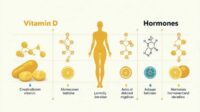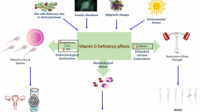
Can vitamin D genuinely improve cervical mucus and, by extension, fertility? It sounds almost like a trick question—like asking whether a single sunbeam can quietly remodel your reproductive landscape. Yet the more you look, the more plausible the connection becomes. Vitamin D isn’t just about bones; it behaves more like a regulatory hormone, influencing immune tone, inflammation pathways, and cellular signaling. Still, there’s a potential challenge hidden in the question itself: fertility is rarely driven by one variable. Cervical mucus quality, ovulation timing, sperm survival, endometrial readiness—each part has its own rhythm. So, could vitamin D be an overlooked conductor rather than the only musician?
Vitamin D: More Than Sunshine, More Than Supplements
Vitamin D is often framed as a “sun vitamin,” but its biology is anything but casual. After skin exposure or dietary intake, it undergoes conversion in the liver and kidneys into forms the body can use. Once activated, vitamin D interacts with receptors that influence gene expression. In reproductive tissues, that matters because gene expression can affect everything from immune cell behavior to local inflammatory cues.
Consider the reproductive tract as a finely tuned ecosystem. Cervical mucus, for instance, changes across the menstrual cycle. It can become thinner and more slippery around ovulation, creating an environment that supports sperm motility and survival. If vitamin D modulates inflammation and immune response, it may indirectly influence how cervical mucus behaves.
Cervical Mucus and Fertility: The “Sperm Highway” Problem
Cervical mucus isn’t merely fluid. It’s a dynamic structure—hydration, viscosity, and biochemical composition all shift throughout the cycle. In the fertile window, mucus often becomes “egg-white” like: stretchy, lubricative, and less hostile to sperm. In contrast, outside the fertile phase, it can be thicker, acting as a gatekeeper that reduces sperm passage.
If cervical mucus is persistently inadequate—too viscous, too scant, or not adequately timed—fertility can become harder to achieve. But the challenge is that mucus quality can be affected by many forces: hormonal balance, thyroid function, prolactin levels, smoking, certain medications, infections, and even hydration status. Vitamin D might be helpful, but it usually works best as part of a larger fertility map.
Why Vitamin D Might Influence Cervical Mucus
Vitamin D may support cervical mucus indirectly through several mechanisms. One is immune modulation. The cervix and vagina are constantly interacting with microbial populations. A healthier immune balance can reduce chronic, low-grade inflammatory signaling that might otherwise affect mucus production or composition.
Another mechanism involves hormone signaling pathways. Vitamin D receptors exist in reproductive tissues, and vitamin D may interact with pathways relevant to estrogen and progesterone regulation. When estrogen rises around ovulation, mucus typically becomes more favorable. If vitamin D helps stabilize the hormonal environment—or reduces inflammatory interference—it could contribute to better mucus quality.
Finally, vitamin D participates in cellular processes like differentiation and maintenance of epithelial tissue. Since cervical mucus emerges from the behavior of cervical epithelium and associated glands, supporting tissue health could plausibly improve mucus consistency.
Evidence and Uncertainty: The Playful Part of the Story
Here’s where the question stays mischievous. Vitamin D–fertility research includes observational findings—associations between adequate vitamin D status and improved reproductive outcomes in some populations. However, not all studies agree, and “association” is not the same as a guaranteed cause-and-effect. The fertility landscape is complex, and vitamin D status can correlate with factors like diet quality, sun exposure, body weight, and overall health.
Even when vitamin D improves markers related to reproduction, translating that into “your cervical mucus will change in exactly this way” is too tidy. Some people may notice subtle benefits—like better cycle regularity or improved mucus characteristics. Others may see little difference. The most grounded expectation is supportive potential rather than a solo solution.
Testing Your Vitamin D Levels: Don’t Guess in the Dark
If you’re considering vitamin D for fertility reasons, it’s wise to avoid guesswork. A blood test measuring 25-hydroxyvitamin D provides a clearer picture of your status. Why does this matter? Because too little vitamin D may fail to support reproductive physiology, while excessive supplementation carries risk.
Interpreting results should ideally involve a clinician who can consider your baseline health, medications, and risk factors. Vitamin D requirements vary significantly. Factors such as darker skin pigmentation, limited sunlight, malabsorption conditions, and higher body fat stores can affect levels.
How to Link Vitamin D to Mucus Changes in Real Life
Let’s turn the idea into something observable. Cervical mucus tracking can be done through daily notes: texture (creamy, sticky, watery), stretch length, and timing relative to ovulation signs. If vitamin D improves your cycle milieu, you might notice a more reliably timed fertile mucus pattern—often described as clearer, more elastic, and more abundant around ovulation.
Still, fertility improvements are rarely instantaneous. Mucus patterning typically reflects hormonal cycles. Vitamin D also acts over time by influencing gene expression and inflammation dynamics. Patience matters. Documenting for at least two to three cycles can clarify whether changes are real or merely coincidental.
Dose, Safety, and the Art of Not Overcorrecting
Supplements are common, but dosing should be approached carefully. Without personalized guidance, it’s easy to overshoot. Too much vitamin D can raise calcium levels, potentially causing symptoms such as nausea, constipation, weakness, and in severe cases kidney complications.
A cautious approach typically involves: checking baseline levels, following clinician-recommended dosing, rechecking levels after a reasonable interval, and pairing supplementation with lifestyle support. Think of vitamin D as a baseline instrument—tuning, not blasting.
If you prefer food sources, options include fatty fish, fortified dairy or plant alternatives, and egg yolks. Food alone may not always correct deficiency, but it can support overall nutritional coherence.
What If Vitamin D Isn’t the Missing Piece?
Here’s the constructive twist: if vitamin D doesn’t noticeably improve cervical mucus, that doesn’t mean it’s irrelevant. It may mean the root cause lies elsewhere. Fertility challenges often involve hormone regulation. Thyroid dysfunction can influence cervical mucus. Elevated prolactin can disrupt ovulation. PCOS can alter cycle patterns and mucus consistency.
Additionally, infection or inflammation can change the cervical environment. In those cases, vitamin D might contribute to immune health, but targeted medical evaluation may be essential. Persistent unusual discharge, odor, pain, or bleeding should prompt professional assessment.
Building a Fertility-Friendly Environment Beyond Vitamin D
Even if vitamin D offers support, cervical mucus thrives under a broader set of conditions. Hydration can affect mucus volume and texture. Micronutrients like vitamin C, zinc, B vitamins, and omega-3 fatty acids may influence reproductive and inflammatory pathways. Sleep quality, stress reduction, and maintaining a healthy weight also matter because stress hormones and metabolic signals can alter ovulation patterns.
Some people benefit from fertility-conscious lifestyle adjustments: moderate exercise, reduced smoking exposure, and limiting excessive alcohol. These aren’t dramatic gestures; they’re incremental environmental repairs.
The Bottom Line: A Supportive Catalyst, Not a Magic Switch
So, can vitamin D improve cervical mucus and fertility? It can plausibly act as a supportive catalyst—particularly for individuals with low vitamin D levels—through immune balancing, epithelial support, and potential influence on reproductive signaling. Yet the fertility story is not a single-ingredient recipe. Cervical mucus depends on a choreography of hormones, tissue health, and timing.
If vitamin D is deficient, correcting it may create a more receptive internal atmosphere. If vitamin D is already adequate, additional gains may be limited. Either way, the most powerful approach combines evidence-based testing, careful supplementation under guidance, and attentive tracking of mucus patterns across cycles.

In other words: vitamin D may not be the hero who single-handedly transforms cervical mucus, but it might be the steady sunlight that helps the rest of your reproductive system perform at its best.