There’s a quiet, steady drama happening inside your bones every day. Minerals are being deposited, reshuffled, and maintained—yet that process depends on a dependable cast of characters. Vitamin D is one of the most influential. And within vitamin D, there are two major “forms” that often appear in labels and supplement aisles: D3 and D2. The question—Vitamin D3 vs D2: which one is better for your bones?—isn’t just chemistry trivia. It’s about how your body converts, stores, and uses vitamin D to support bone strength across seasons, lifestyles, and age-related changes.
Vitamin D in the Bone Ecosystem: Why Bones Care
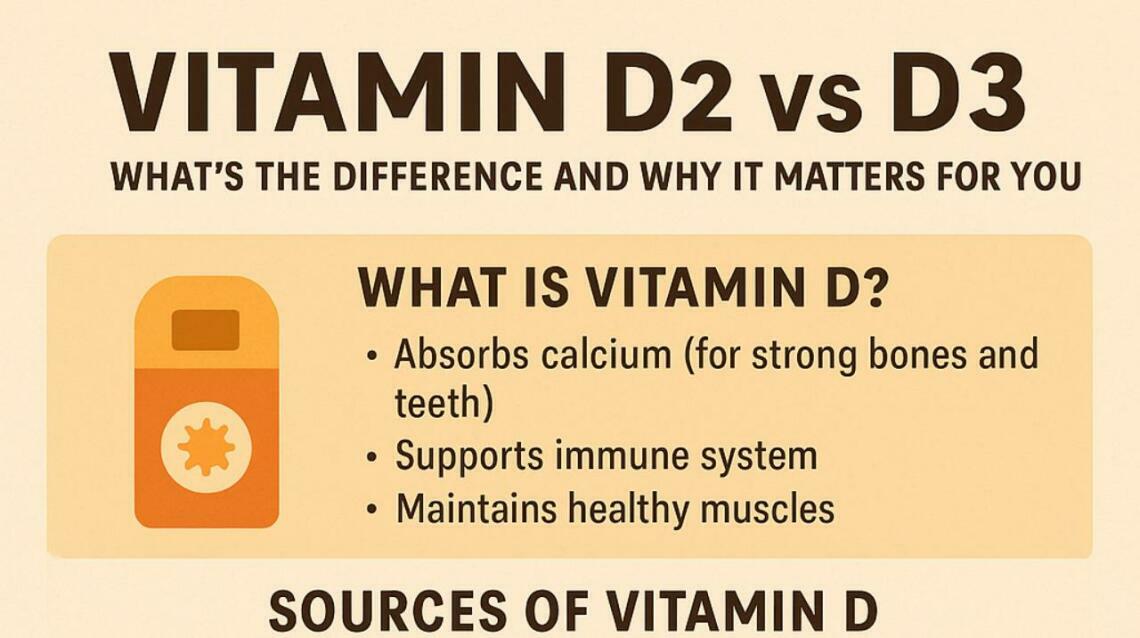
To understand the D2-versus-D3 debate, it helps to picture bone as a living material rather than a static scaffold. Bone tissue is dynamic, with osteoblasts building and osteoclasts resorbing. Vitamin D acts like a backstage regulator that helps steer calcium and phosphorus handling. When vitamin D status is inadequate, calcium absorption in the intestine becomes less efficient. That means your body may struggle to maintain the mineral density that gives bones their resilience.
But vitamin D doesn’t “work” in a single step. It first needs to be absorbed, transported, and metabolized into active forms that can influence gene expression and mineral balance. If the upstream supply is inconsistent, downstream outcomes—like bone density and fracture risk—can be affected over time. So, the choice between D2 and D3 isn’t merely about getting vitamin D into the bloodstream; it’s about how effectively that vitamin D becomes usable for the bone ecosystem.
Vitamin D2 vs D3: The Core Chemical Distinction
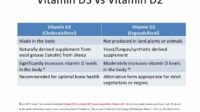
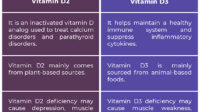
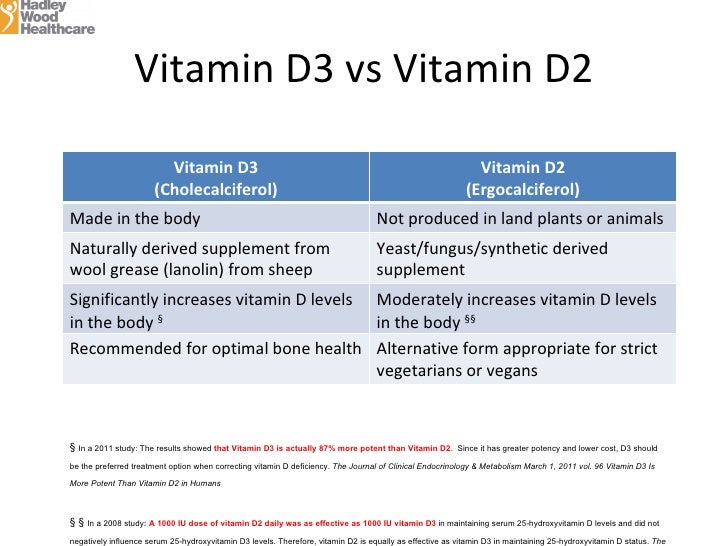
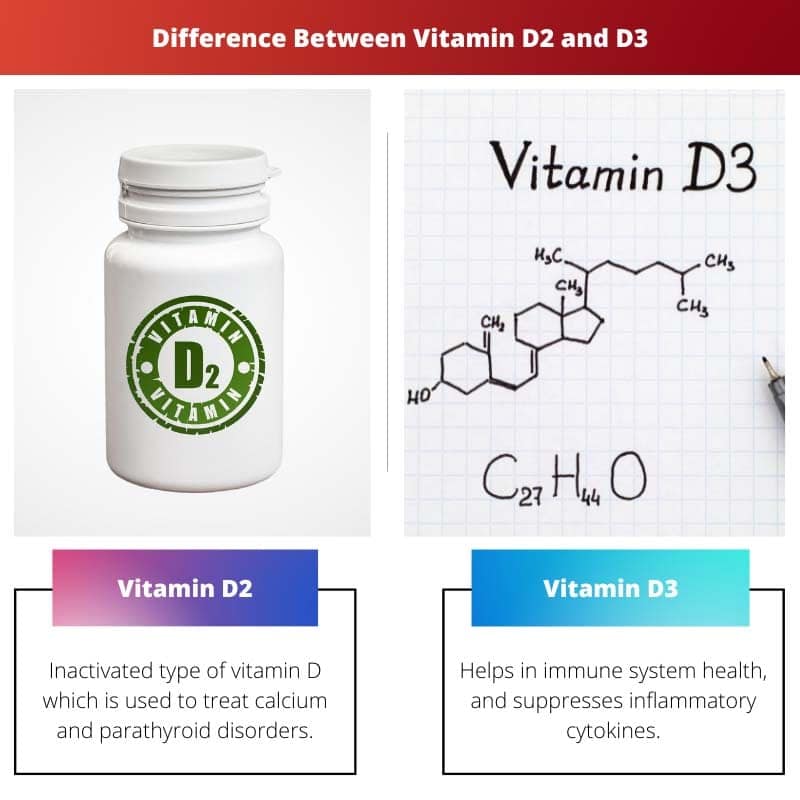
Vitamin D2 (ergocalciferol) and vitamin D3 (cholecalciferol) differ in origin and molecular structure. D3 is commonly associated with sunlight-mediated production in the skin and is also found in certain animal-derived foods. D2 is often associated with plant-based sources and certain fortified foods, where it is produced for supplementation.
That molecular difference matters because it can influence how your body handles vitamin D once it enters circulation. Think of both forms as “tickets” to the same destination, but the ticket-checking process inside the body may treat them slightly differently. Over time, these differences can translate into varying effectiveness for raising and sustaining vitamin D levels.

Absorption and Metabolism: How Your Body Processes Each Form
Both D2 and D3 travel from the gut into the bloodstream after ingestion. From there, the body metabolizes vitamin D in stages—first into intermediate forms and later into active metabolites that help regulate calcium transport and bone mineralization.
Some research observations suggest that D3 may be more effective at maintaining higher circulating 25-hydroxyvitamin D levels—the storage form often used as a marker of vitamin D status. Storage matters because vitamin D requirements aren’t limited to sunny weeks. In many people, levels drift downward when sunlight exposure is limited by winter, indoor work, skin tone, geography, or clothing choices.
In practical terms, that means a bone-focused strategy may prioritize whichever form supports steadier replenishment, especially when dietary intake and sun exposure are inconsistent.
Bone Density and Fracture Risk: The Real-World Connection
Bone health isn’t only about calcium. It’s about how mineral density is built and protected. Vitamin D influences the efficiency of calcium absorption, the regulation of bone remodeling, and muscle function that affects balance and falls.
When vitamin D status improves, some individuals experience benefits that are relevant to bone density maintenance. Others see improvements primarily through functional pathways—such as better muscle performance and reduced fall risk. Even if two supplements produce similar lab changes, the time course and stability of vitamin D levels can influence outcomes.
So, if you’re thinking in terms of “which is better for bones,” it’s not only a question of a single blood value. It’s also about consistency: whether the chosen form supports reliable vitamin D availability long enough for bones to benefit from regular mineral stewardship.
How Long Levels Stay Up: Stability Across Months
Many people start supplements with good intentions and then stop, skip, or inconsistently take them. But bone health is a slow conversation. Vitamin D levels must remain adequate over time to support mineral homeostasis.
In that context, D3 has a reputation for being more supportive for maintaining vitamin D status. That doesn’t mean D2 is ineffective—rather, it often requires more careful dosing strategy to achieve similar sustained effects for some individuals.
If you prefer a “set-it-and-forget-it” approach, the stability argument frequently points toward D3. If you prefer flexibility and dietary alignment, D2 can still play a role—especially when chosen dosing schedules and monitoring are used thoughtfully.
Dietary Sources and Lifestyle Fit: Choosing What Fits Your Life
Choosing between D3 and D2 often overlaps with personal lifestyle priorities. D3 is typically associated with animal-derived foods and sun-driven skin synthesis. D2 is more commonly represented in plant-based options and fortified products.
If you’re building a nutrition plan that reflects dietary preferences, your “best” vitamin D might depend on what you can maintain consistently. Supplements are tools, not trophies. The most optimal one is often the one that matches your eating pattern and your routine—because consistency tends to outperform perfection.
Dosing Considerations: Daily vs Weekly, Higher vs Lower
Dosage is where theory becomes practice. People vary widely in baseline vitamin D status, absorption capacity, body weight, sun exposure, skin pigmentation, and seasonal patterns. That variability is why clinicians may suggest different dosing regimens for deficiency versus maintenance.
With D3, some regimens use relatively modest doses for maintenance and higher doses for correction, depending on lab results. With D2, dosing can differ in frequency and magnitude. The key is that the body’s response is not one-size-fits-all. A bone-minded supplement plan should ideally be informed by blood work and tailored to the goal—whether it’s correcting deficiency or maintaining sufficiency.
If you’re aiming for bone optimization, remember that vitamin D doesn’t operate in isolation. Calcium intake, protein adequacy, magnesium status, and overall dietary quality can influence how well bone tissue responds.
Absorption Helpers and Interactions: The Hidden Variables
Vitamin D is fat-soluble, so taking it with meals that include dietary fat can improve absorption. That single detail can change results meaningfully. Similarly, gastrointestinal disorders, bariatric surgery history, chronic malabsorption conditions, and certain medications can reduce effective vitamin D status.
Medications may also influence vitamin D metabolism pathways. If you take medications that affect liver enzymes or mineral balance, it’s wise to discuss your regimen with a healthcare professional.
Bone health also involves muscle coordination and neuromuscular stability. Vitamin D adequacy can support muscle function, which indirectly protects bones by lowering fall risk. That connection is often overlooked in supplement conversations, yet it’s biologically plausible and practically important.
Safety and Monitoring: Building a Sensible Plan
Vitamin D can be beneficial, but too much can be problematic—primarily due to its role in calcium absorption. Symptoms of excessive vitamin D may include elevated calcium levels and associated discomfort, and long-term over-supplementation can create risks.
Monitoring is the intelligent midpoint between skepticism and overconfidence. Checking 25-hydroxyvitamin D levels before and after starting a regimen can help confirm whether your chosen form and dose are producing the intended effect. Bone health is too valuable to rely on guesswork alone.
If you’re supplementing for bone density concerns—especially with osteoporosis risk, a prior fragility fracture, or limited sunlight—monitoring becomes even more relevant.
The Bottom Line for Bones: Which One Is Better?
If the goal is stronger bone support, vitamin D3 often emerges as the more dependable choice for many people—particularly when the priority is raising and maintaining vitamin D status over time. Its metabolic handling tends to align with sustained availability of vitamin D for calcium regulation and bone remodeling.
Still, D2 isn’t a villain. It can work, especially when dosing is adjusted thoughtfully and when monitoring confirms adequate status. In other words: the “better” vitamin D is the one that reliably brings your levels into an appropriate range and keeps them there.
What You Can Do Next: A Bone-Forward Action Checklist
Start with your context. Consider your baseline vitamin D level if you have one. Evaluate your sunlight exposure, dietary habits, and any medical conditions affecting absorption. Then choose a vitamin D form that aligns with your lifestyle and your ability to take it consistently.
Finally, support the whole skeleton orchestra: pair vitamin D with sufficient calcium (from diet when possible), ensure adequate protein intake, and maintain muscle-strength routines that load bone safely. Bones respond to pressure, not to wishful thinking.
When D2 or D3 is selected strategically—and backed by realistic habits—your bones gain a steady advantage. And that’s the real metric that matters: not which form looks better on a label, but which one sustains your bone health in the long arc of life.