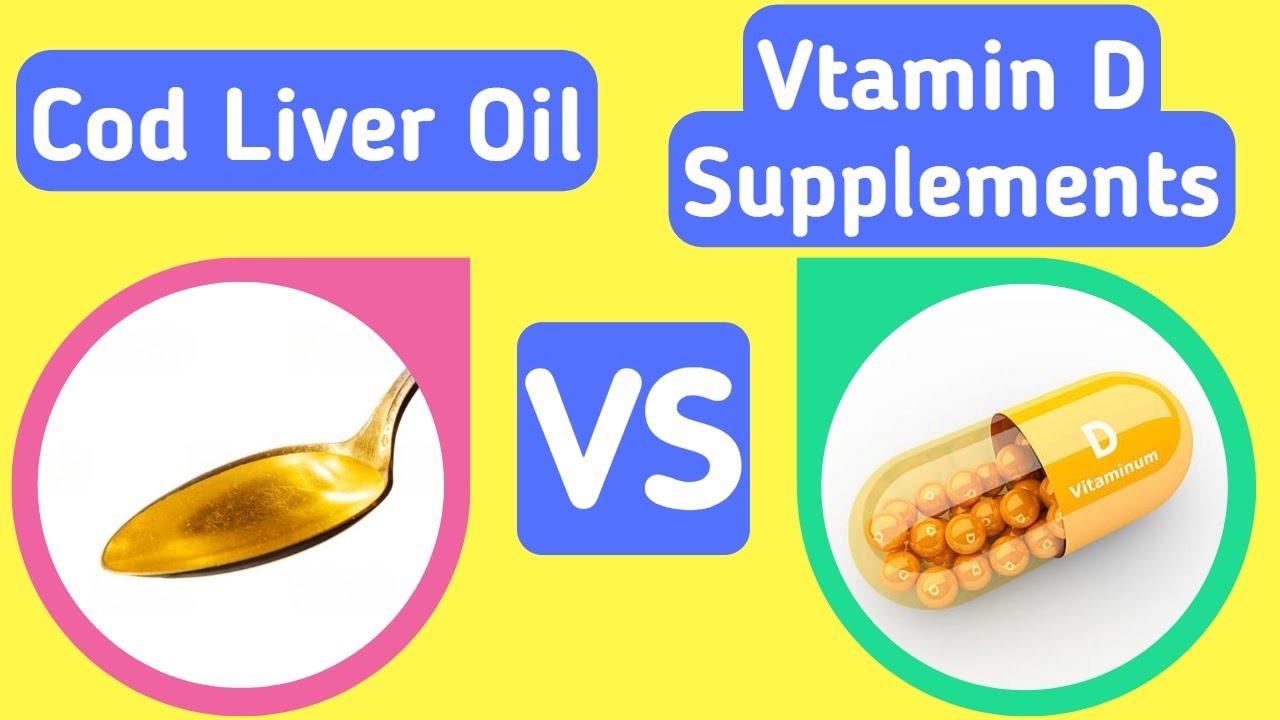
Ever stood in front of two bottles—one promising cod liver oil “by the spoonful,” the other offering vitamin D in tidy capsules—and wondered, which one actually delivers the vitamin D you’re looking for? Here’s the playful part: your kitchen teaspoon might feel like a heroic tool, but your capsule could be the quiet, precision-engineered sidekick. And yet, between the gurgle of oil and the click of a gel cap lies a potential challenge: vitamin D content can vary dramatically, and it’s easy to compare the wrong thing.
Why vitamin D matters (and why cod liver oil gets the spotlight)
Vitamin D isn’t just “another vitamin.” It’s a backstage manager for your body’s calcium choreography. It helps regulate calcium and phosphorus, supports bone mineralization, and influences immune function. When vitamin D levels run low, the downstream effects can feel surprisingly broad—fatigue, muscle aches, and a general sense that your system is running on low battery.
Cod liver oil naturally enters the conversation because it contains vitamin D, along with omega-3 fatty acids and—depending on the product—vitamin A. That combination is both its charm and its complexity. If you’re aiming specifically for vitamin D, you’ll want to understand how the dose is presented and how “per spoon” differs from “per capsule.”
Spoonful cod liver oil: the charming ritual and the dosing puzzle
Let’s talk about the spoon. There’s something almost ceremonial about it: measure, pour, swallow. Some people like the sensory honesty—oil has a texture, a smell, a personality. But vitamin D dosing becomes a bit of a puzzle when you’re not comparing labels line-by-line.
Typically, spoonful products provide nutrition “per teaspoon” (or per 5 mL). That means the actual vitamin D amount depends on the product’s specific concentration. If one brand states that a teaspoon supplies, for example, 400 IU and another states 800 IU, you’re not just choosing a format—you’re choosing potency.
Even the measuring tool matters. A “kitchen teaspoon” and a standardized teaspoon (about 5 mL) may not match exactly. That’s a small discrepancy, yet vitamin D is a fat-soluble nutrient, so consistency matters.
Potential challenge: people often estimate the dose rather than measuring precisely, especially when the routine feels familiar.
Capsules: the tidy math, the quiet convenience
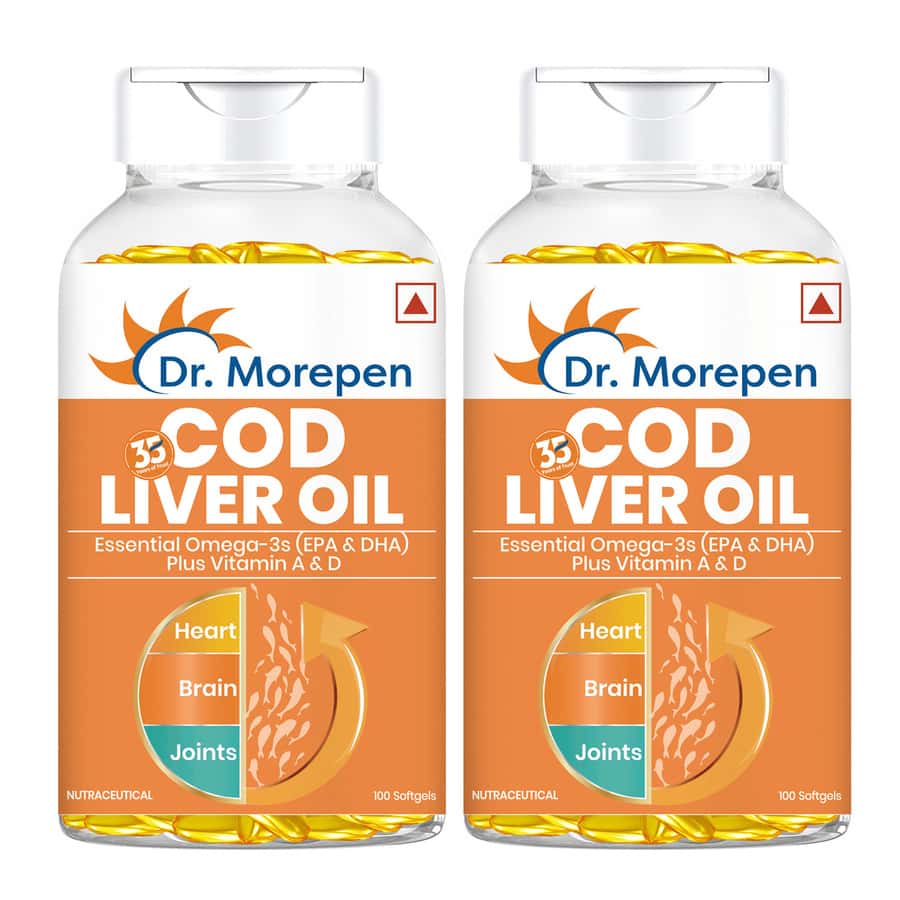
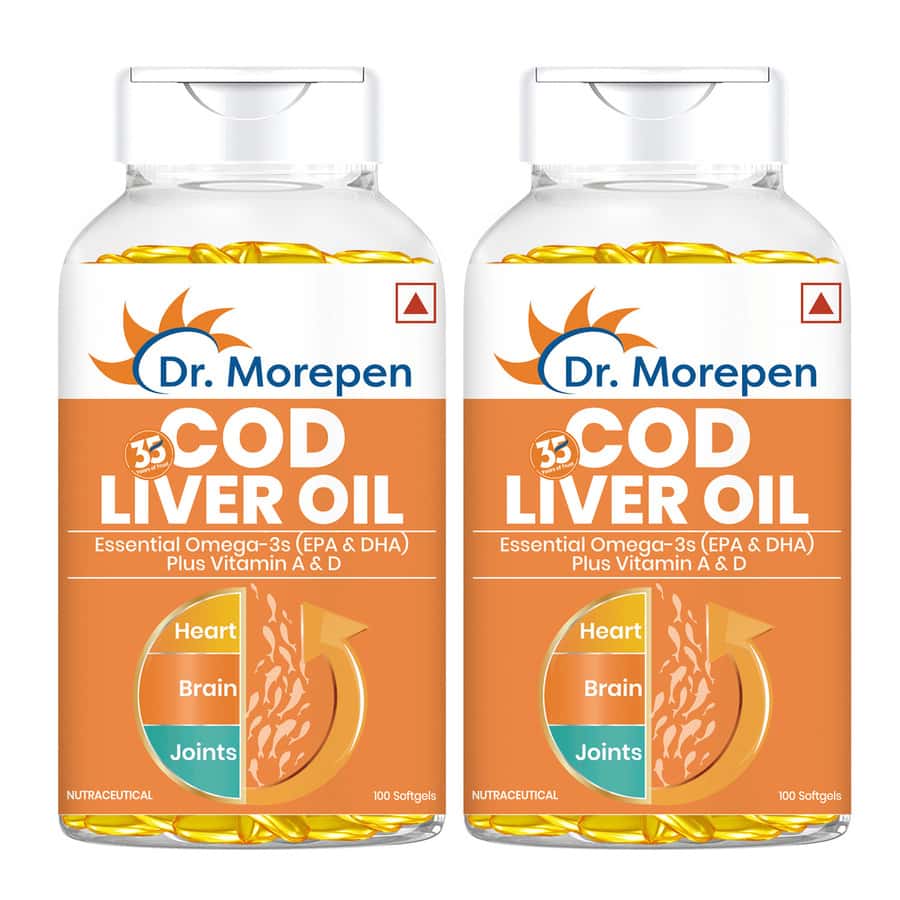
Capsules are designed for people who prefer minimal fuss. You open the bottle, count the dose, and move on with your day. That ease is more than convenience—it can improve dosing accuracy. When a label says “per capsule,” it removes a layer of guesswork.
However, capsules introduce a different kind of complexity: number of capsules per serving. One product may suggest 1 capsule daily; another may recommend 2 or 3. Vitamin D quantity might be specified per capsule, per serving size, or both. The same confusion can occur if you compare “grams of oil” instead of vitamin D IU/μg.
Also consider how you tolerate oil. Some people find spoonful cod liver oil hard to stomach, especially if taken on an empty stomach. Capsules can bypass taste issues, which may lead to better adherence—meaning you’re more likely to take it consistently.
Potential challenge: trusting the “serving size” phrasing without verifying whether vitamin D is listed per capsule or per serving.
“Spoonful vs capsule” isn’t a fair race unless you compare vitamin D units
Here’s the key: vitamin D is usually labeled in IU or micrograms (μg). IU and μg conversion differs, so you want to verify the unit before concluding which product is stronger. Comparing “softgels” to “teaspoons” is like comparing kilometers to minutes. You need the actual vitamin D figure.
Look for a line that clearly states vitamin D content. Then ask: is that amount per 5 mL, per teaspoon, per capsule, or per serving? Once you align the dosing basis, the choice becomes clearer.
To make it practical, many shoppers translate everything into a common denominator: vitamin D per day. If you plan to take a teaspoon daily, what is the vitamin D IU/μg per teaspoon? If you plan to take two capsules daily, what is the vitamin D IU/μg per total capsules? That’s the comparison that matters.
Bioavailability: does your body treat spoon and capsule differently?
In many real-world scenarios, cod liver oil and its vitamin D content are absorbed similarly because vitamin D is fat-soluble and cod liver oil is an oil-based delivery system. Yet timing and digestive comfort can change how consistently you take it.
Taking doses with a meal containing fat may support absorption. Spoonful users may take it with food to avoid reflux. Capsule users may forget or feel they can take it anytime. Inconsistency, not format, often becomes the hidden culprit.
Potential challenge: inconsistent timing and missed doses can matter more than whether the vitamin D came from a spoon or capsule.
Vitamin A: the wildcard that can tag along (and complicate long-term use)
Cod liver oil frequently includes vitamin A alongside vitamin D. Vitamin A is also fat-soluble, and excessive intake over time can be unwise. The risk isn’t meant to frighten—it’s meant to inform.
If you’re comparing products, check whether they list vitamin A content. A spoonful vs capsule comparison might unintentionally lead you to consume substantially different vitamin A levels, even if vitamin D seems similar. If you already take a separate multivitamin or retinoid-based supplement, the vitamin A equation becomes more important.
Potential challenge: focusing on vitamin D alone while overlooking vitamin A accumulation over months.
Which format fits your “adherence personality”?
Adherence isn’t a buzzword—it’s the difference between a theoretical benefit and an actual outcome. Spoon-based routines suit people who like tactile habits and don’t mind strong taste. Capsules suit people who prefer portability, discreet dosing, and low sensory friction.
Ask yourself a playful question: Will you actually take the daily dose on busy days? If the answer is uncertain, choose the format that you can maintain. A slightly lower vitamin D dose you take reliably can outperform a higher dose you skip.
One more angle: some people dislike reflux. Capsules can reduce the immediate taste and odor experience, but not everyone finds them equally gentle. If you’re prone to heartburn, you may need to adjust timing and take with meals.
Safety considerations: avoiding overenthusiastic dosing
Vitamin D is beneficial, but more isn’t always better. Too much vitamin D can contribute to excess calcium in the body, which can be harmful. This is where careful label-reading becomes a superpower.
If you’re combining cod liver oil with other vitamin D sources—fortified foods, separate supplements, or high-dose regimens—keep an inventory. Check total daily vitamin D from all sources. That’s the most responsible way to avoid accidental stacking.
Potential challenge: using two products that both “seem moderate,” until their combined totals become unexpectedly high.
How to choose: a simple decision checklist
Before you buy, run this checklist like a mini investigation:
1) Vitamin D units: IU or μg—confirm the unit.
2) Dose basis: per teaspoon or per capsule, or per serving.
3) Serving math: how many capsules equals your planned daily intake?
4) Vitamin A content: especially if you take other supplements.
5) Your consistency: which format you’ll reliably use?
If you want a quick mental model, think of spoon vs capsule as a delivery style. The real outcome is the vitamin D dose you consistently take, safely, aligned with your overall intake.
Bottom line: the “winner” is the one that matches your plan
So, which is better—vitamin D in spoonful cod liver oil or vitamin D in capsules? The honest answer is: it depends on the dose and your ability to take it consistently. A capsule can offer precise dosing without measuring. A spoonful can feel straightforward and ritualistic, but requires accurate measuring and careful label comparison. Either way, the comparison should be made by vitamin D amount, not by form.
Now the challenge is yours: grab the label, find the vitamin D number, and do the daily math. Once you do, the decision stops being confusing—and starts feeling almost delightfully logical.