Ever catch yourself wondering, “Is my vitamin D working with my hormones—or quietly sidelining them?” It’s a playful question, but here’s the challenge: vitamin D is often treated like a single, interchangeable pill, when in reality D2 and D3 behave a little differently inside the body. If hormonal balance is the goal—whether you’re thinking about mood, fertility signals, insulin sensitivity, inflammation, or the rhythm of the menstrual cycle—then choosing between vitamin D2 and vitamin D3 starts to feel less like trivia and more like a strategy.
So… which one is better for hormonal balance: D3 or D2? Let’s walk through the nuances, from how each form is processed, to how they may influence endocrine choreography.
Vitamin D as an Endocrine Conductor (Not Just a Bone Vitamin)
Vitamin D isn’t merely a “calcium helper.” It functions more like an endocrine conductor, influencing gene expression and signaling pathways that interact with multiple systems. Hormones don’t operate in isolation; they’re constantly exchanging signals with immune cells, metabolic tissues, and even the gut microbiome. Vitamin D helps set the stage for that cross-talk.
When vitamin D levels are suboptimal, the downstream effects can resemble a chain reaction: altered inflammatory tone, changes in insulin responsiveness, shifts in ovarian and testicular function, and mood-related vulnerabilities. The key question becomes: which vitamin D form helps you maintain sufficient levels more reliably?
D3 vs. D2: The Origin Story Your Body Understands
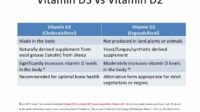
Vitamin D3 (cholecalciferol) is the form your body naturally makes in response to sunlight. That detail matters. When you ingest D3, you’re essentially supplying a compound your physiology already recognizes as “native.”
Vitamin D2 (ergocalciferol) is derived from plant sources and yeast. It can still raise vitamin D status, but its molecular journey through metabolism may be a bit different—like using a translator when everyone else is speaking the language fluently.
For hormonal balance, familiarity is not everything. But it can influence how efficiently vitamin D supports endocrine signaling, especially over time.
How the Body Converts Each Form (And Why It Matters)
Once ingested, both D2 and D3 are metabolized in steps to become biologically active. These conversion steps involve liver processing first, then kidney and other tissue transformations that generate the active form (often discussed as calcitriol and related metabolites).
Here’s the practical twist: if one form persists longer or produces a more stable circulating profile, it may support steadier hormonal signaling. Hormones typically behave like rhythms—not like one-time fireworks. A vitamin D strategy that reduces fluctuation could help maintain a calmer endocrine “baseline.”
That’s why many clinicians and researchers focus not only on whether D2 and D3 can raise levels, but also on how efficiently they sustain them.
Hormonal Balance Hotspots: Mood, Inflammation, and Metabolism
Hormonal balance is a broad term, so let’s narrow to the areas where vitamin D status seems especially intertwined with endocrine outcomes.
1) Mood and stress signaling. Vitamin D may influence neurotransmitter regulation and immune signaling that can affect mood. If you’ve ever felt like your emotional weather changes with the seasons, you already understand the “timing” problem. Vitamin D is one piece of that seasonal puzzle.
2) Inflammation and immune tone. Chronic low-grade inflammation can disturb hormonal signaling—think of it as static in a communication system. Vitamin D supports regulatory pathways in immune function, which can indirectly help hormones that are sensitive to inflammatory cues.
3) Metabolic hormones. Insulin sensitivity, glucose regulation, and metabolic inflammation are tightly connected to endocrine health. Vitamin D status may play a role in metabolic stability, which can matter for conditions like insulin resistance and polycystic ovary patterns.
Across these domains, the question becomes less “Which vitamin D is better in theory?” and more “Which one helps keep your vitamin D status robust enough to support endocrine consistency?”

Which One Raises Levels Better Over Time?
People often compare D2 and D3 by asking, “Will it raise my vitamin D?” Both can, but durability and potency can differ. Some individuals notice that D3 maintains blood levels more effectively when used consistently. Others may respond well to D2—particularly depending on dose, starting deficiency level, absorption factors, and adherence.
Hormonal balance doesn’t wait for perfect lab trends. It responds to stability. If one form tends to keep circulating levels higher or longer, it may indirectly support steadier hormone signaling. That steadiness can be a quiet advantage for reproductive health, thyroid-related well-being, and metabolic resilience.
But here’s the twist: the “best” option is also individualized. Two people with identical lab numbers can have different hormone symptoms based on sleep, stress load, body composition, sun exposure, and nutrient cofactors.
Absorption, Bioavailability, and the “Real Life” Variables
Even the most promising vitamin D form can underperform if the capsule is swallowed under less-than-ideal circumstances. Fat-soluble vitamins benefit from dietary fat. If you take vitamin D with a meal that includes some fat, absorption tends to be smoother.
Then there’s the absorption landscape: gastrointestinal conditions, certain medications, and bariatric surgery history can alter how vitamin D is processed. In these cases, the effectiveness of D2 vs. D3 may become more nuanced, because the limiting factor may not be the form at all—it might be conversion capacity.
So if hormonal balance is your goal, consider vitamin D as part of a systems approach, not as a standalone fix.
Hormone-Specific Considerations: Reproductive Health and the Cycle
Vitamin D is often discussed in relation to reproductive endocrine function. It may influence processes connected to follicle development, implantation readiness, and sex hormone regulation. For many people, deficiency symptoms can overlap with hormonal imbalance: fatigue, mood shifts, irregular cycles, or difficulties with conception.
While vitamin D won’t replace medical care when infertility or endocrine disorders are suspected, maintaining sufficient vitamin D status can support the broader hormonal environment. If D3 tends to sustain vitamin D status better for many individuals, it could offer an edge for those targeting reproductive outcomes.
Still, dosage matters more than symbolism. A lab-informed plan is crucial, especially when hormone-sensitive conditions are involved.

How to Choose: A Practical Decision Framework
If your goal is hormonal balance, the decision often comes down to three questions:
1) What’s your current vitamin D status? Lab testing gives you direction. Symptoms alone can mislead because hormonal imbalance can arise from many sources.
2) How consistent can you be? Hormones like routine. If you can reliably take a regimen, you’re more likely to maintain sufficiency.
3) Are there absorption or metabolic constraints? If absorption is impaired, your clinician may adjust the form and dose to match your physiology.
Many people gravitate toward D3 for its alignment with the body’s natural production pathway and for how it may sustain circulating levels. However, D2 can still be a valid option—especially when guided by dosing strategy and monitoring.
Safety, Monitoring, and the “Don’t Overdo It” Reminder
Vitamin D is fat-soluble, which means it can accumulate. That’s why hormonal balance goals should come with a safety mindset. Too much vitamin D can contribute to hypercalcemia risk. The fix is not “more vitamin D,” but “the right vitamin D, in the right amount.”
Regular testing—especially when starting supplements, adjusting dose, or aiming for hormonal outcomes—helps keep vitamin D in a constructive range. Think of it like tuning an instrument: the aim is harmony, not maximal volume.
The Bottom Line: D3 Often Wins for Endocrine Consistency
If you’re choosing between vitamin D2 and D3 specifically for hormonal balance, D3 is frequently the frontrunner. It’s the form the body naturally produces, and many individuals find it more supportive for maintaining steadier vitamin D status.
But the final answer isn’t a one-size slogan. The best form is the one that reliably brings your vitamin D levels to sufficiency—while staying safe and consistent with your health context.
So the playful question returns, sharpened: “Are you helping your hormones, or are you just checking a box?” With a lab-informed, consistency-first approach, you can make vitamin D a true ally in the endocrine rhythm.