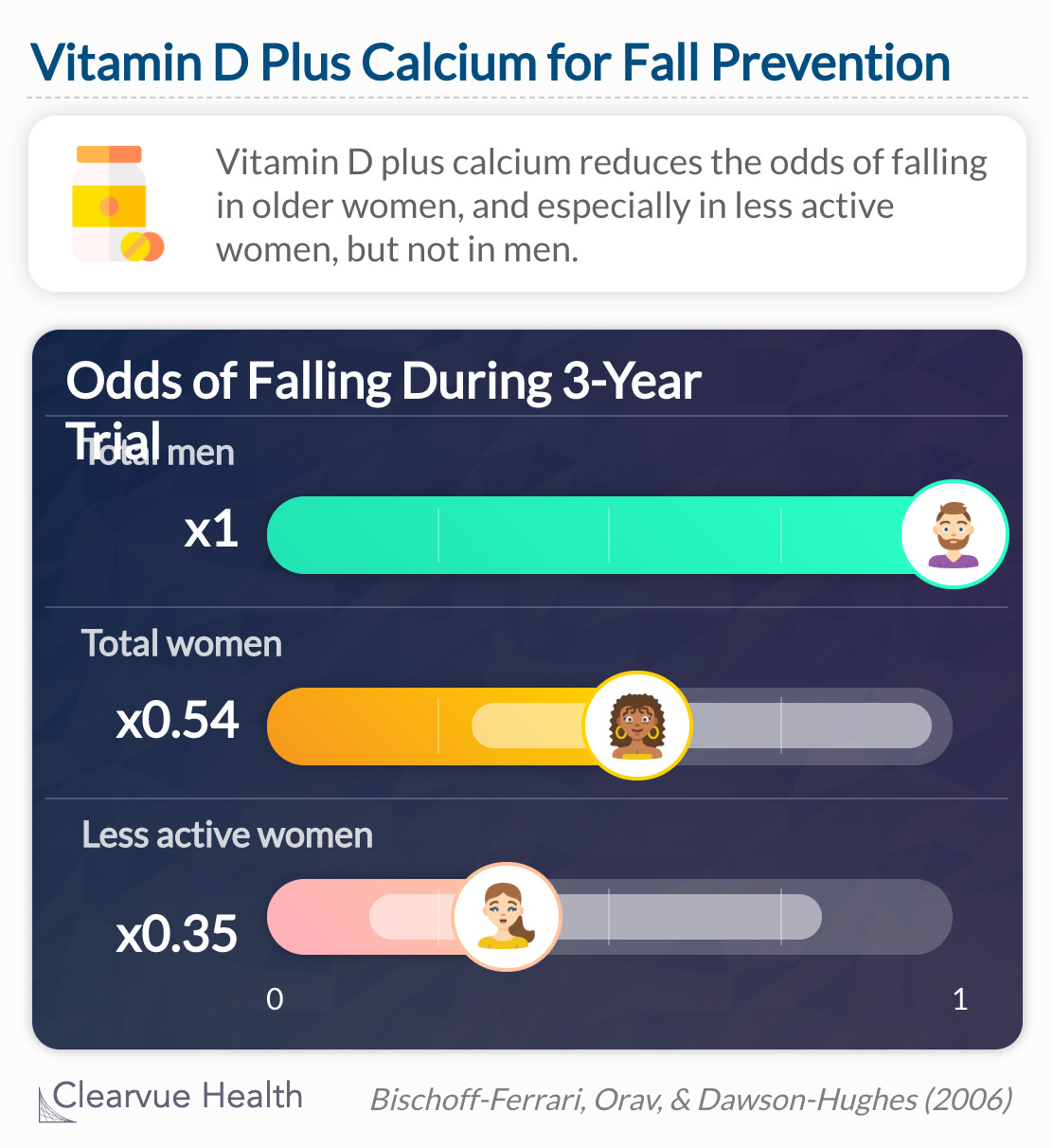
Ever wondered whether your muscles are asking for a tiny chemical nudge—and whether your next fall might be prevented with it? Picture this: you’re doing a perfectly ordinary day—carrying groceries, stepping off a curb, reaching for a shelf—and your balance suddenly feels… negotiable. That’s when the “invisible” variables matter. Vitamin D is one of them. It’s not a magic elixir, but it can be a crucial cofactor for muscle performance and neuromuscular coordination. The twist? Knowing your vitamin D level goals is only half the story; the other half is matching those targets to practical, real-life fall-risk reduction.
Why vitamin D matters for muscles (and why it’s more than a bone story)
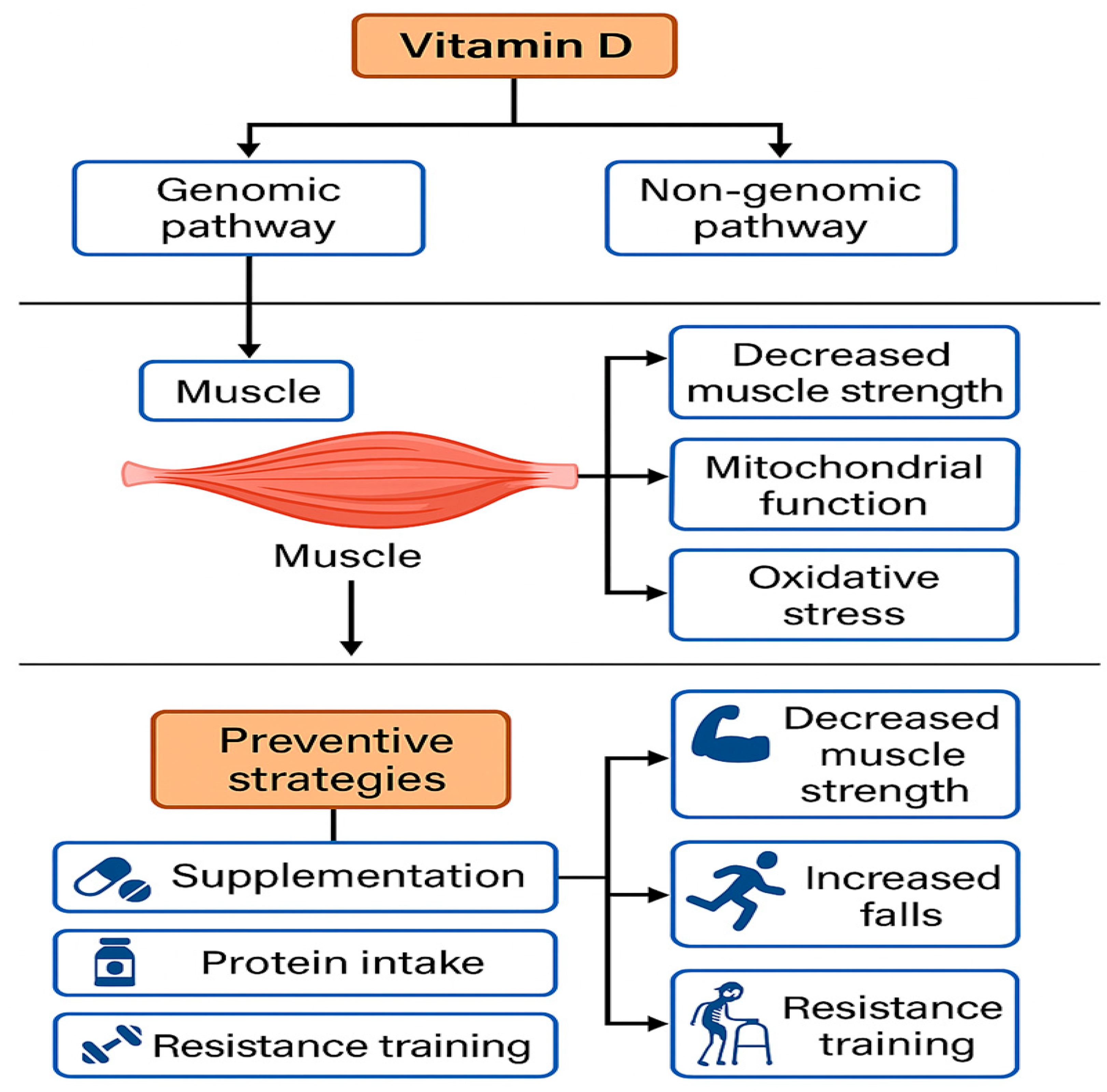
Vitamin D behaves like a backstage manager for muscle function. It helps regulate calcium handling and supports muscle fiber performance. When levels are low, muscles may feel weaker, slower to respond, or less capable of sustaining force. And balance isn’t just “legs doing leg things.” It’s a complex conversation between the brain, sensory input, and the musculoskeletal system. Vitamin D influences parts of that system, including neuromuscular control.
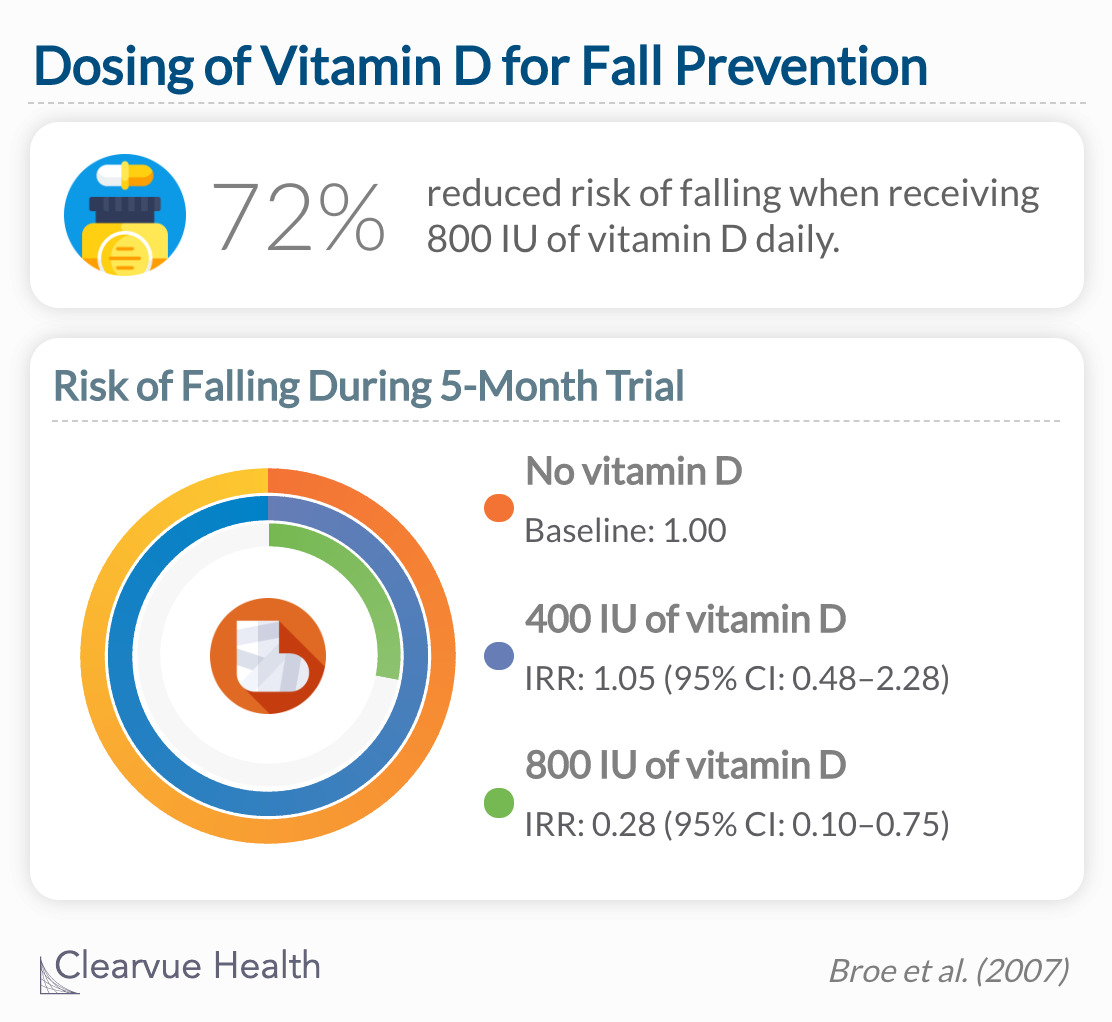
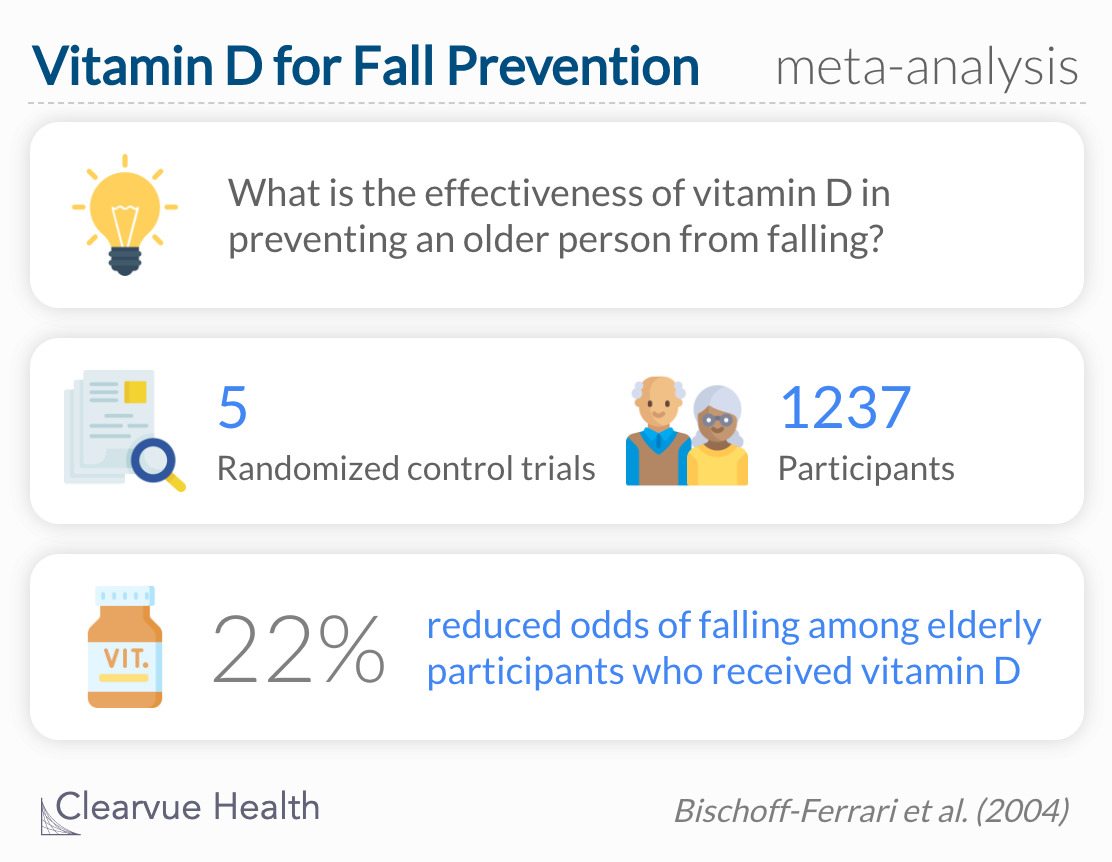
Low vitamin D status is often linked with reduced muscle strength and slower functional performance. That combination can quietly raise the stakes for falls—especially during transitions: turning, bending, or stepping in dim lighting. The challenge is that you can’t always “feel” vitamin D deficiency right away. The symptoms can be subtle, like an uninvited lag in your reaction time.
The playful challenge: Could your vitamin D be sabotaging your stability?
Let’s pose a question with teeth: If you had to pick a single lever to improve muscle strength and reduce fall risk, would you choose the one you can’t see?
Here’s the potential obstacle. Many people chase general wellness while missing specific targets—like the blood level associated with better musculoskeletal outcomes. Without measurable goals, efforts can become guesswork: “I take a supplement, so I must be fine.” But “fine” is not the same as “optimal.” For muscle and fall prevention, the difference can matter.
Vitamin D level goals: what “enough” looks like on a lab report
Vitamin D status is typically measured as 25-hydroxyvitamin D—often abbreviated as 25(OH)D. This is the circulating form most labs use to estimate body vitamin D stores. While different organizations may use slightly different thresholds, practical goals for muscle strength and fall risk usually aim for sufficiency rather than merely avoiding deficiency.
In many clinical contexts, a commonly used target range is approximately:
- Deficiency: often considered below ~20 ng/mL (50 nmol/L)
- Insufficiency: commonly considered around ~20–30 ng/mL (50–75 nmol/L)
- Sufficiency (goal for many adults): roughly ~30 ng/mL (75 nmol/L) or higher
For fall prevention and muscle-related outcomes, many clinicians aim for a steady sufficiency level—rather than chasing short-lived spikes. Think of it as building a stable rhythm for your muscles, not sprinting to an arbitrary number once and then drifting.
Reminder: interpretation should be individualized, especially for older adults, people with kidney disease, malabsorption disorders, or those taking medications that alter vitamin D metabolism.
How low levels translate into higher fall risk
Falls rarely come from a single cause. They emerge from the overlap of strength deficits, balance instability, slower protective reactions, and environmental hazards. Vitamin D enters this ecosystem through muscle performance and neuromuscular functioning.
When muscle strength declines—particularly in the lower extremities—it can reduce your ability to recover from loss of balance. Imagine the scenario: you stumble slightly on a threshold. Strong quadriceps, coordinated hip movement, and responsive ankle control can turn a near-miss into a non-event. When those systems are underpowered, the protective “catch” mechanism struggles.
Vitamin D sufficiency may support improvements in strength and functional performance when combined with movement-based interventions. It’s not a substitute for exercise, but it can help create the physiological conditions where exercise has more traction.
Who should prioritize vitamin D goals most strongly?
Vitamin D tends to be most critical for people at higher risk of deficiency and those at higher risk of falls. Priority groups often include:
- Older adults (reduced skin synthesis and higher fall susceptibility)
- People with limited sun exposure
- Individuals with darker skin tones (greater melanin reduces vitamin D synthesis efficiency)
- Those with malabsorption (certain gastrointestinal conditions)
- People who are overweight (vitamin D distribution can be altered)
- Those with fall history or balance disorders
If you fit multiple categories, the “playful question” becomes less playful. It turns into: should you test, set targets, and align supplementation with real lab values?
Testing strategy: making your numbers meaningful
To set vitamin D level goals responsibly, you need a baseline and a plan. Many clinicians consider checking 25(OH)D and sometimes related markers depending on context—such as calcium, kidney function, and parathyroid hormone when indicated.
Timing matters too. If you supplement, rechecking after an appropriate interval helps confirm that you’ve reached target sufficiency. Otherwise, you’re optimizing blindly, like adjusting a thermostat without measuring room temperature.
Supplementation goals: bridging the gap between “where you are” and “where you want to be”
Supplementation strategies vary based on baseline levels, age, diet, absorption, and clinical risk. Common approaches include daily or weekly dosing regimens. The key is to choose a dose designed to achieve sufficiency and maintain it—without overshooting into excessive territory.
Because vitamin D is fat-soluble, excessively high intake can raise the risk of hypercalcemia and related complications. That’s why goal-setting should include a boundary: “enough” should not become “too much.” If you’re aiming for muscle strength and fall prevention, the target is consistency, not volatility.
Diet can contribute as well, though it usually plays a supporting role. Foods like fatty fish and fortified products can help, but in many cases they aren’t enough to reach target stores alone—especially when sun exposure is limited.
Muscle strength and falls: the synergy with exercise
Here’s the important plot twist: vitamin D and exercise are a duet, not a solo performance. Strength training, balance exercises, and functional mobility work improve muscle capacity and reaction mechanics. Vitamin D may help muscles respond more effectively to training by supporting calcium-related function and general musculoskeletal health.
Consider incorporating routines such as:
- Progressive resistance training (legs, hips, and core)
- Balance drills (tandem stance, single-leg holds with support)
- Gait and transfer practice (sit-to-stand, step-ups)
- Flexibility and foot strength to support dynamic stability
Even simple daily practices—standing up slowly, practicing safe turns, improving lighting awareness—can reduce fall risk. Vitamin D can be the physiological baseline, while movement provides the operational control.
Real-world safety: avoiding overcorrection and managing risk factors
Optimizing vitamin D should also include fall-environment housekeeping. Vitamin D targets are one lever; removing hazards is another. Poor lighting, loose rugs, inadequate footwear, and clutter can sabotage the best intentions.
Additionally, medication effects can influence balance and fall propensity. Sedatives, some antihypertensives, and other agents may affect reaction time and coordination. If falls are a concern, reviewing medications with a clinician can complement vitamin D optimization.
What to do next: a practical pathway to vitamin D goals
Start with a baseline lab test for 25(OH)D if you haven’t measured it. Use your result to set a sufficiency goal—often aiming for at least around 30 ng/mL (75 nmol/L)—and build a plan that includes dosing, rechecking, and pairing supplementation with strength and balance training. Then, turn your environment into an ally: improve lighting, clear pathways, and wear supportive footwear.
That playful question—“Could your vitamin D be sabotaging your stability?”—has a confident answer when you act. With measured targets and consistent lifestyle alignment, you can strengthen muscles, sharpen neuromuscular control, and reduce the odds that a minor misstep becomes a major event.