Ever feel like your vitamin D level has turned into a stubborn houseguest—promising to leave, then refusing to budge? You follow the routine. You take the supplement. You eat the “right” foods. Yet the lab result reads like a door you can’t unlock. If that’s you, consider this a friendly-but-serious intervention: the situation is common, and it’s not always solved by taking more of the same. In a doctor-led protocol, the goal isn’t just to raise the number—it’s to identify why it won’t move.
Why “won’t budge” vitamin D happens (and why it’s not always your fault)
Let’s start with a playful question: Are you taking vitamin D… or are you wrestling a logistics problem? Vitamin D levels can stay flat due to absorption issues, inadequate dosing, inconsistent timing, drug interactions, inadequate repletion duration, or lab interpretation that doesn’t tell the whole story. Sometimes the body is getting less than you think. Other times, it’s converting and utilizing vitamin D differently than expected.
Another challenge hides in plain sight: vitamin D is fat-soluble. If the supplement—or the meal that should accompany it—doesn’t support absorption, the vitamin may pass through with little impact. Also, baseline health conditions (gut malabsorption, liver or kidney issues, obesity, or certain autoimmune disorders) can reduce the effective rise of 25-hydroxyvitamin D, the form typically measured on labs.
When vitamin D “stalls,” it’s often a clue. Not a failure. A clue.
The doctor’s first step: verify the numbers correctly
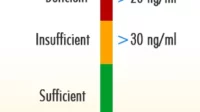
Before adjusting anything, clinicians usually re-check the fundamentals. The lab test matters. Many protocols focus on 25-hydroxyvitamin D because it reflects vitamin D stores more reliably than active metabolites. A careful clinician also reviews reference ranges and the unit system used. Unit confusion can create false reassurance—or unnecessary panic.
Then comes context. Symptoms (fatigue, muscle aches, bone discomfort) can point toward deficiency, but labs guide the final decision. If the level is low and persistent, doctors evaluate whether you’re truly deficient, borderline insufficient, or simply mismanaged in timing and dosage.
Sometimes the “won’t budge” status comes from testing too soon after starting supplements. Vitamin D needs time to rebuild stores—often weeks to months, depending on how low the baseline is.
Confirm the diagnosis: deficiency, absorption problem, or metabolic detour?
A doctor will usually ask: Is the body failing to receive vitamin D, or failing to use it properly? This is where uncommon but important investigations appear. If there’s a history of bariatric surgery, chronic diarrhea, inflammatory bowel disease, celiac disease, pancreatic insufficiency, or recurrent fat malabsorption, absorption may be the bottleneck.
Weight can also complicate the picture. With higher body fat stores, vitamin D may become sequestered in adipose tissue, requiring higher intake to achieve the same blood response. In these cases, the “same dose as everyone else” approach can feel like pushing a shopping cart uphill.
Metabolic detours matter too. Kidney disease, liver impairment, and disorders affecting vitamin D binding or conversion can limit progress. The doctor may look beyond vitamin D alone, considering calcium, phosphorus, parathyroid hormone (PTH), and sometimes magnesium.
Start with adherence—but make it strategic
Adherence is not just “did you take it?” It’s “did you take it correctly?” Many people take vitamin D at random times, or without any dietary fat. A clinician’s protocol often recommends pairing vitamin D with a meal that contains fat. This isn’t superstition; it’s physiology.
Consistency matters. If a dose is missed frequently, the serum level can fluctuate and appear stuck. Some protocols also adjust the schedule: daily dosing versus weekly dosing, spacing from interacting medications, and choosing a formulation known to absorb well.
In doctor-style troubleshooting, a patient may be asked about supplements beyond vitamin D—iron, calcium, magnesium, antacids, cholesterol medications, or anticonvulsants can shift outcomes in indirect ways. You might be doing everything right, but one pill can be the mischievous side character.
Choose the right dose and repletion timeline
When levels won’t rise despite “standard” dosing, the doctor may initiate a repletion strategy rather than gentle maintenance. The reasoning is straightforward: if stores are depleted, you often need a corrective phase before you can maintain.
Typical protocols use higher doses for a limited period, followed by maintenance. The exact numbers depend on baseline level, body factors, comorbidities, and risk profile. It’s not a one-size-fits-all recipe—clinicians calibrate the plan like they’re tuning an instrument.
But here’s the challenge: repletion must last long enough. Too short a trial can look like failure. Too long without monitoring can raise safety concerns. That’s why periodic lab reassessment is a core part of the protocol.

Address absorption barriers with targeted formulation
Once dosing is confirmed, doctors often evaluate formulation. Some patients respond better to specific vitamin D preparations (for example, different delivery forms or combined products). If there’s concern for malabsorption, a clinician might recommend an approach that bypasses the typical absorption bottleneck, depending on the clinical context.
In certain conditions, the doctor may also investigate whether vitamin D is being lost through gastrointestinal issues. If fat malabsorption is suspected, addressing the underlying condition can be more impactful than simply increasing supplementation.
This is the part where the “won’t budge” puzzle becomes solvable: you’re no longer guessing—you’re matching the treatment to the mechanism.
Watch the biochemical neighborhood: calcium, PTH, and magnesium
Vitamin D doesn’t exist alone. It coordinates with calcium metabolism. When vitamin D is low, PTH often rises—a signal that the body is trying to pull calcium from bone to keep blood levels stable. In a doctor-led protocol, the aim is to restore vitamin D while ensuring the calcium-phosphorus-PTH system behaves appropriately.
If calcium is elevated unexpectedly or PTH patterns don’t normalize as expected, clinicians may adjust the plan. Magnesium is another overlooked variable. Magnesium helps regulate enzymes involved in vitamin D metabolism and can indirectly affect response.
Think of this like an orchestra: vitamin D is the lead instrument, but if the percussion section is mis-tuned, the melody won’t land.
Consider medication interactions and timing conflicts
Some medications can interfere with vitamin D metabolism or absorption. Anticonvulsants, glucocorticoids, certain weight-loss medications, cholesterol-lowering drugs (bile acid sequestrants), and some treatments that affect gut absorption may change the outcome.
A doctor will review the full medication list, including supplements and over-the-counter products. Timing can matter: spacing certain agents away from vitamin D can improve absorption and effectiveness. Again, the aim is not more vitamin—it’s better logistics.
It can feel tedious. It can also be transformative.
Monitoring: the “proof” loop and how not to chase ghosts
After dose and strategy adjustments, clinicians typically plan a follow-up lab schedule. Recheck timing varies, but the principle remains: measure after an interval sufficient for meaningful change, then recalibrate. Repeating labs too quickly can create confusing data. Repeating too infrequently can prolong frustration.
Doctors also look for safety markers, especially if higher repletion doses are used. Hypercalcemia is uncommon when monitored appropriately, but it remains a reason to keep oversight tight.
When the number rises, the protocol transitions from repletion to maintenance. When it doesn’t, the doctor intensifies the evaluation—often revisiting absorption, adherence patterns, diagnosis accuracy, and metabolic contributors.
Escalation options: what if the protocol still stalls?
If vitamin D remains low despite a structured approach, a doctor may broaden the differential diagnosis. This can include evaluating for malabsorption syndromes, liver or kidney function issues, disorders affecting vitamin D binding, or adherence challenges that persist despite good intentions.
Some patients benefit from supervised dosing strategies. Others require treatment of an underlying condition driving malabsorption or altered metabolism. In select cases, clinicians may consider alternative vitamin D preparations or routes, guided by risk and response.
The key point: a stalled vitamin D level is rarely “just stubbornness.” It’s usually a signal that the plan needs a different mechanism.
Make it sustainable: habits that keep levels moving
Once the level responds, maintenance must be real—not theoretical. Doctors often recommend consistent daily or weekly intake with meal-based absorption support. Lifestyle may also help: sun exposure can contribute, but it’s variable by season, geography, skin pigmentation, and sunscreen habits.
Diet supports the plan, though food alone is often insufficient for severe deficiency. Still, incorporating vitamin D-containing foods and building adequate overall nutrition can reduce the odds of recurrence.
In the end, the goal isn’t just to raise a lab number; it’s to build a system that keeps the body supplied reliably.
A final checkpoint: when to seek urgent medical input
If you have severe symptoms (intense weakness, confusion, persistent nausea, kidney stone history, or significant bone pain) alongside very low vitamin D or abnormal calcium results, medical review should not wait. A doctor can differentiate deficiency-related issues from other conditions that mimic them.
And if your vitamin D has “won’t budge” status, treat it like a case file—not a verdict. With the right protocol—verification, dosing strategy, absorption assessment, biochemical monitoring, and escalation when needed—progress is usually possible. The puzzle isn’t permanent. It’s just asking for a more precise solution.