Imagine your body as a finely tuned lighthouse. Vitamin D is one of the beams that helps guide calcium and phosphorus into the right channels. But like any beacon, there’s a point where too much light becomes glare—blinding, disruptive, and potentially harmful. When people ask, “What Vitamin D level is considered toxic?”—especially the threshold of >150 ng/mL—they’re really asking where illumination stops being helpful and starts behaving like static in the circuitry of the body.
The Toxic Threshold: Why “>150 ng/mL” Raises Red Flags
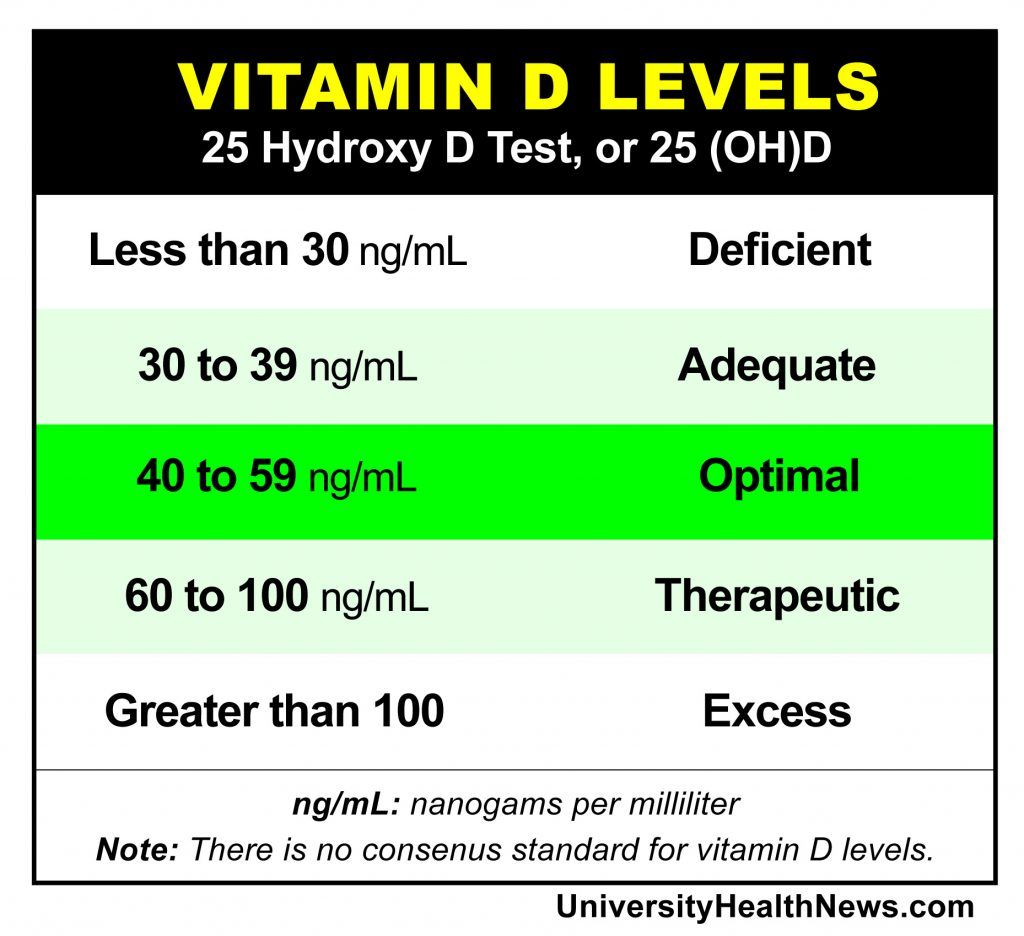
In many clinical discussions, 25-hydroxyvitamin D levels (usually reported as ng/mL) are used to estimate overall vitamin D status. While “optimal” ranges vary by guideline and individual context, levels above 150 ng/mL often fall into the category of concern for toxicity. That number isn’t a magic spell—it’s a pragmatic boundary where the risk of hypercalcemia (too much calcium in the blood) becomes substantially more plausible.
Think of vitamin D as the conductor of a metabolic orchestra. At moderate volumes, the music becomes harmonized. At extreme volumes—when the serum level rockets past the upper ceiling—the conductor may start overpowering the ensemble, leading to off-key results. The principal off-key note is usually calcium excess, which can cascade into dehydration, kidney stress, and neuro-muscular irritability.
Two Numbers That Matter: Vitamin D vs. Calcium (The Real Culprit)
Vitamin D toxicity is less about the vitamin itself and more about what it triggers downstream. Vitamin D increases intestinal absorption of calcium and, to a degree, influences bone remodeling. When vitamin D levels are excessively high, calcium can rise as well—sometimes dramatically.
So while >150 ng/mL is a commonly referenced risk marker, clinicians often look for the accompanying physiological proof: elevated serum calcium, abnormal kidney function markers, and sometimes evidence of hypercalciuria (high calcium in urine). This is where the lighthouse metaphor becomes even sharper. Vitamin D is the energy source; calcium is the beam’s effect on the shoreline. If the beam is too strong, the shoreline suffers.
If you’re tracking potential toxicity, ask about both the vitamin D result and related labs such as serum calcium, phosphorus, and creatinine (kidney function). The story is incomplete without them.
Symptoms: When the Body Speaks in Whispers—and Then Shouts
Early toxicity can feel deceptively ordinary. People may experience fatigue, nausea, reduced appetite, or constipation. These can mimic “busy life” symptoms, leaving them easy to dismiss. But in the context of high vitamin D intake and rising calcium, the symptoms often develop a pattern—an uncanny rhythm of distress.
As toxicity progresses, more pronounced signs may appear:
• Increased thirst and frequent urination (the body attempting to cope with high calcium)
• Dehydration and lightheadedness
• Muscle weakness or cramps
• Confusion or mood changes in severe cases
• Kidney pain or symptoms consistent with kidney stones
In some situations, symptoms appear gradually. In others, they can arrive like an unexpected thunderclap after months of cumulative over-supplementation. The narrative is rarely instant. It’s usually incremental—like salt dissolving slowly in warm water until suddenly the salinity becomes unmistakable.
How Toxicity Happens: The Usual Routes Into Excess
High vitamin D levels are most often a consequence of intake patterns that drift away from the intended dosing. The classic pathways include:
• Excessive supplementation (high-dose vitamin D tablets, “boosting” regimens, or unsupervised stack-and-repeat habits)
• Concentrated formulations (liquid drops, powders, or compounded doses that may be mismeasured)
• Manufacturing inconsistencies or labeling errors (rare, but not impossible)
• Medical scenarios (some conditions involve altered vitamin D metabolism, making sensitivity higher)
Diet alone is usually not enough to create extreme levels in healthy adults. Vitamin D toxicity is more commonly an outcome of deliberate or accidental over-supplementation—especially when “more” is treated as synonymous with “better.”
Why the Threshold Matters: Not All High Levels Are Equal
Not every vitamin D result slightly above the reference range automatically implies toxicity. Many people live comfortably in higher-but-modest zones, particularly if they have conditions like deficiency history, careful monitoring, or clinician-guided dosing. However, the figure >150 ng/mL functions like a bright border crossing marker. It suggests the system may be approaching the point where calcium regulation becomes unstable.
Metabolism varies. Age matters. Kidney health matters. Body composition and baseline vitamin D status matter. Some individuals may show biochemical changes at lower points. Others may tolerate higher levels before symptoms appear. But when levels climb into the toxic neighborhood, the risk becomes more than theoretical.
In other words: the threshold is not a verdict for every person, but a safety alarm for most. Think of it as the smoke detector—sometimes it chirps before a fire, and sometimes it’s triggered by steam. Either way, you investigate.
Testing and Interpretation: Reading the Lab Like a Map
Vitamin D is typically measured as 25(OH)D. The number on the report is usually interpreted alongside the lab’s reference range, your symptoms, and your supplement history. If you’re repeatedly testing, trending matters more than a single snapshot—because accumulation has its own trajectory.
If a result comes back above 150 ng/mL, clinicians generally consider:
• Total calcium and possibly ionized calcium
• Kidney function (creatinine, estimated glomerular filtration rate)
• Urinary calcium risk
• Phosphorus and other related electrolytes
• Timing and dose of vitamin D intake (including recent changes)
Lab values can be “loud,” but they’re not conversational on their own. Interpretation requires context—how the body is behaving, not merely what the vial of blood revealed.
Treatment and Safety Steps: What Usually Happens Next
When toxicity is suspected, the first practical move is usually to stop the excess intake. Clinicians may also recommend temporary reduction or cessation of calcium supplements and—depending on the situation—additional measures to address hypercalcemia.
Common medical approaches may include:
• Hydration to support kidney clearance and reduce calcium concentration
• Medications that help lower calcium (decision depends on severity and lab profile)
• Monitoring of calcium and kidney function over time
• Evaluation of contributing factors (such as other supplements or conditions)
Recovery can take time. Vitamin D is fat-soluble and can persist in the body. It’s not a switch you flip; it’s a reservoir that drains slowly. That’s why early action matters—and why a high result should not be waved away as “a one-off number.”
Prevention: How to Keep the Lighthouse Steady
Preventing toxicity is less mystical than it sounds. It’s mostly about dosing discipline and informed monitoring. A few practical habits create a strong safety net:
• Avoid stacking multiple vitamin D products without accounting for total dose
• Check the unit of measurement and confirm the labeled amount
• Follow clinician guidance if using higher-dose regimens
• Re-test when appropriate after a period of supplementation—especially if you’re aiming to correct a deficiency
Also, remember that sunlight exposure is variable. It can contribute to vitamin D status, but it doesn’t guarantee safety from over-supplementation. If you take supplements while also relying on frequent high sun exposure, your total intake may quietly drift upward.
Prevention is the art of pacing. Your body doesn’t need an overwhelming spotlight; it needs steady, well-calibrated illumination.
Unique Appeal: Turning Concern into Clarity
The most intriguing part of the question >150 ng/mL is that it transforms uncertainty into a tangible boundary. Instead of vague worry—“Is this too high?”—you gain a concrete reference point that encourages smarter conversations and more precise follow-up testing.
Vitamin D is not inherently dangerous. It’s fundamentally cooperative. But in excess, it can become like a melody played too loudly: once the volume crosses a limit, the music turns into noise, and the body demands correction.
So if you or someone you care about sees a result in the toxic zone, treat it as an invitation to act. Not in panic. In clarity. Ask for related labs, review supplement history, and prioritize medical guidance. The lighthouse can be brought back into alignment—one careful step at a time.
Note: This information is educational and doesn’t replace medical advice. If vitamin D results are above 150 ng/mL or if symptoms suggest high calcium, consult a healthcare professional promptly.