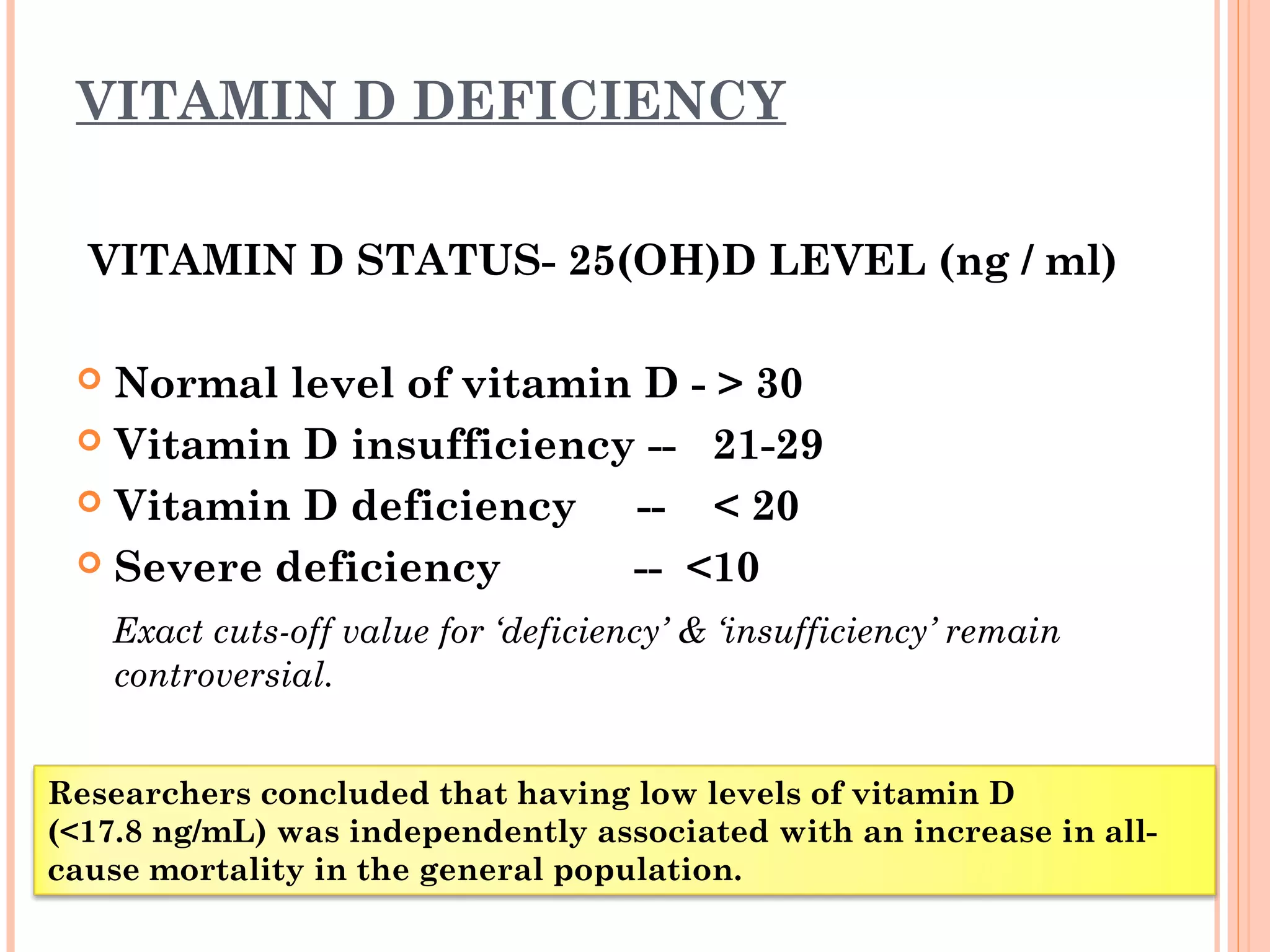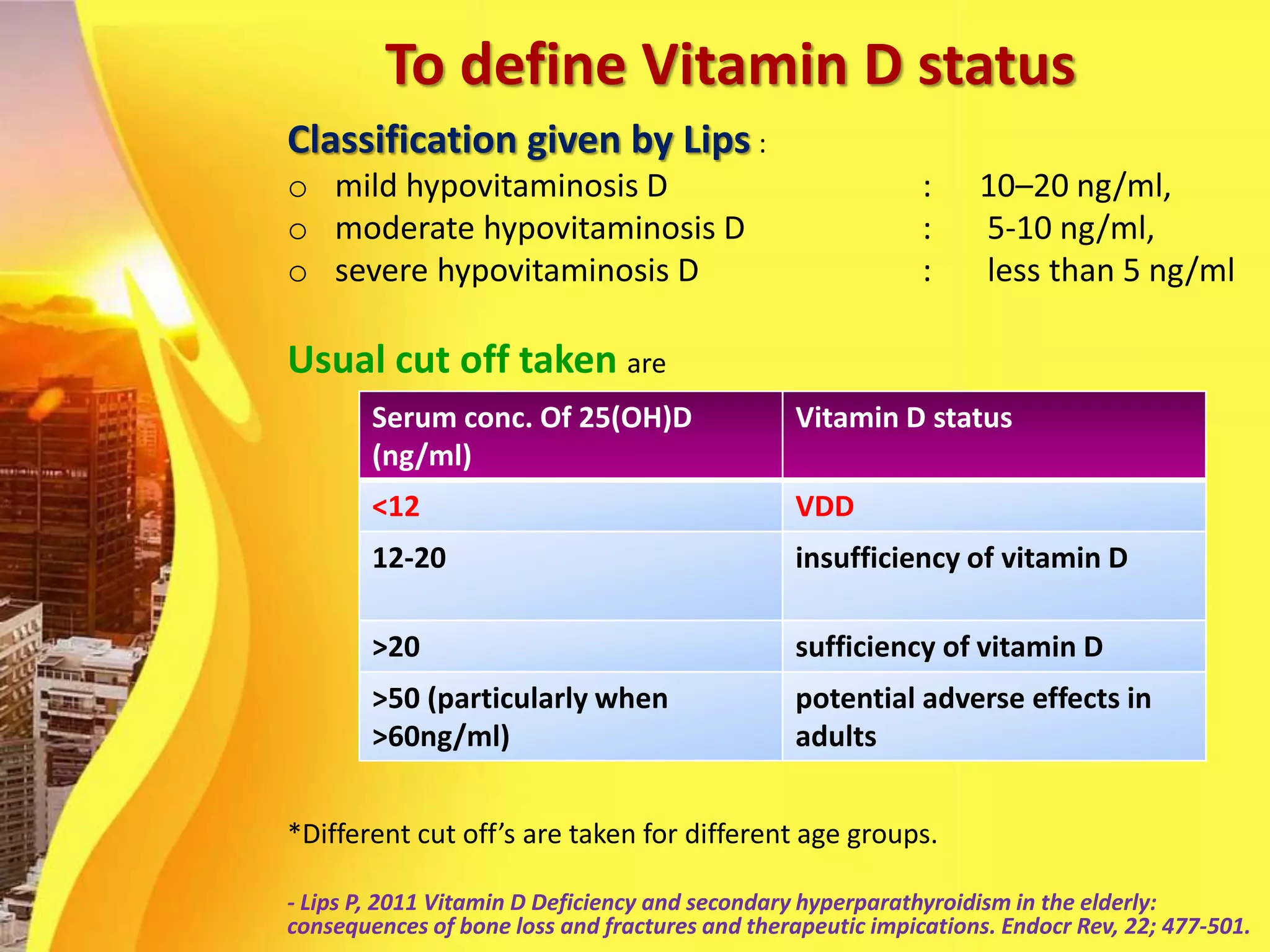
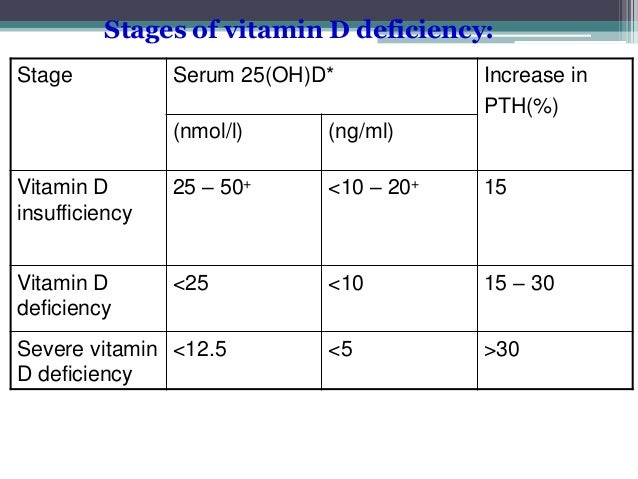
Vitamin D is often described as a “sunshine vitamin,” yet its role is far more intricate than most people realize. When vitamin D levels fall too low—especially to the severe range—your body can begin to mismanage calcium, weaken bones, and alter immune signaling. Clinically, “severe” vitamin D deficiency is commonly defined as a serum 25-hydroxyvitamin D level below 12 ng/mL. At this threshold, symptoms may be subtle at first, then progressively more unsettling, affecting muscles, skeleton integrity, and overall wellbeing.
How Severe Vitamin D Deficiency Is Measured
Most discussions about vitamin D revolve around one lab metric: 25-hydroxyvitamin D (often shortened to 25(OH)D). This is the circulating form that best reflects vitamin D status from diet, supplements, and skin synthesis after sun exposure.
Severe deficiency is typically characterized by levels under 12 ng/mL. The number matters because vitamin D behaves like a regulatory hormone. When it’s insufficient, calcium absorption from the gut declines, parathyroid hormone (PTH) may rise to compensate, and the body begins to “borrow” mineral stability from bones. Over time, this compensation can become maladaptive rather than protective.
Because vitamin D can fluctuate with season and lifestyle, clinicians often repeat testing after treatment. They may also check calcium, phosphorus, magnesium, alkaline phosphatase, and PTH—especially if symptoms are significant or if there’s concern for malabsorption.
Why Vitamin D Matters: Calcium, Bones, and Beyond
Vitamin D’s most famous job is supporting bone mineralization. Adequate levels help the intestines absorb calcium and phosphorus. Without enough vitamin D, mineralization becomes inefficient; bones may become soft, fragile, or painful.
But vitamin D’s influence extends further. It participates in immune modulation—part of the reason deficiency has been associated with increased susceptibility to certain infections and inflammatory patterns. It also intersects with muscle function, nerve signaling, and cellular growth regulation.
Think of vitamin D as a quiet conductor. It doesn’t play every note loudly, but it keeps the orchestra in time. When it’s missing, different systems start missing beats in their own ways.
Common Causes of Severe Deficiency
Severe deficiency rarely appears out of nowhere. It usually develops through a combination of reduced intake, limited sun exposure, and impaired absorption or metabolism.
Low sun exposure is a frequent contributor. People who stay indoors, consistently use high-SPF sunscreen, wear clothing that covers most skin, or live in high-latitude regions may synthesize less vitamin D in the skin.
Dietary insufficiency can also play a role. Vitamin D is not abundant in many foods. While fatty fish, fortified dairy, and some fortified alternatives help, not everyone consumes them consistently.
Malabsorption disorders are especially relevant for severe cases. Conditions affecting the intestines—such as celiac disease, inflammatory bowel disease, pancreatic insufficiency, or history of bariatric surgery—can reduce vitamin D uptake even if intake is adequate.
Liver and kidney impairment can limit vitamin D activation. The body must convert vitamin D through liver and kidney pathways. If those processes are compromised, blood levels can remain low despite reasonable sun or diet exposure.
There are also metabolic contributors. Some medications accelerate vitamin D breakdown or alter vitamin D handling, and higher body fat can sequester vitamin D, lowering circulating availability.
Early Warning Signs: When the Body Starts to Signal Trouble
Severe deficiency may begin with symptoms that are easy to dismiss—fatigue, vague aches, or low mood. Then the pattern may become more specific.
Muscle-related complaints are common: weakness, cramping, or a “heavy” sensation in the legs and back. Bone pain can surface as a dull ache, often in weight-bearing areas. Some people experience tenderness when pressing on bones or experience difficulty with stairs and rising from a chair.
Children with severe deficiency are at higher risk for skeletal deformities due to impaired bone growth. In adults, prolonged deficiency can contribute to fragility and fractures.
One of the more overlooked aspects is that symptoms can be intermittent—some days better, others worse. That inconsistency can delay diagnosis.
Physical Consequences: Bones, Muscles, and Functional Decline
When vitamin D is severely low, the body’s calcium economy becomes unstable. As PTH increases, calcium is preserved in the bloodstream, but bone tissue may lose mineral integrity. The result can be osteomalacia in adults—softening of bones—leading to pain and reduced physical performance.
Over time, deficiency may contribute to osteoporosis risk and fracture susceptibility, especially when combined with other risk factors such as age, low body weight, smoking, or chronic steroid use.
Muscle weakness deserves emphasis because it’s both a symptom and a hazard. Weakened muscles can increase fall risk. Falls don’t merely cause injury; they also create a cascade of reduced mobility, which can worsen overall health.
Severe Deficiency in Children vs. Adults
In children, severe deficiency can present as rickets. Rickets affects bone development and growth plates, potentially causing bowed legs, delayed growth, and skeletal deformities. Disturbed bone mineralization can also contribute to pain and delayed motor milestones.
In adults, the primary concern is osteomalacia. The skeletal system may not show classic deformities, but pain, weakness, and functional impairment can be persistent. Some individuals also notice difficulty with prolonged standing or rising from the floor.
The shared theme is the same: inadequate mineralization. The visible manifestation differs because the skeleton’s growth stage differs.
Diagnosing Severe Vitamin D Deficiency: What Clinicians Often Look For
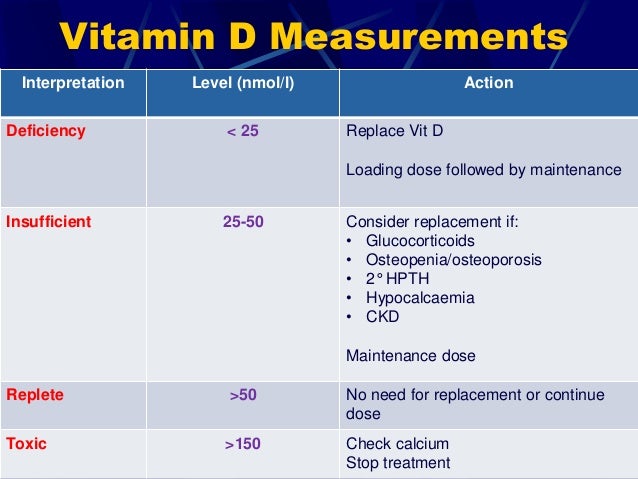
Blood testing is the cornerstone. A serum 25(OH)D level under <12 ng/mL> supports the diagnosis of severe deficiency. Yet interpretation becomes richer when paired with related labs.
PTH may be elevated as the body tries to compensate. Calcium can be normal early on but may become low in more advanced cases, especially if deficiency is prolonged or compounded by other illnesses. Alkaline phosphatase may rise, reflecting increased bone turnover.
If symptoms are pronounced, imaging may be considered. X-rays can show bone changes, while more sensitive modalities may help clarify the extent of osteomalacia. Clinicians tailor this to symptoms and severity.
Treatment Pathways: Repletion, Maintenance, and Safety
Severe deficiency generally requires a structured approach: replenish vitamin D, then maintain adequate levels to prevent recurrence. Treatment is often individualized based on the cause, symptoms, and lab results.
Common strategies include high-dose vitamin D regimens for a period, followed by maintenance dosing. Some people—particularly those with malabsorption or absorption challenges—may need alternative dosing forms or routes.
Calcium intake frequently becomes part of the plan. If dietary calcium is insufficient, clinicians may recommend supplementation. However, supplementation should be approached carefully and guided by lab results, because overly aggressive calcium dosing can introduce its own risks.
Safety matters. Vitamin D is fat-soluble, meaning excessive dosing can accumulate. This is why follow-up testing and symptom monitoring are essential. The goal is normalization, not overshooting.
Diet and Lifestyle: Practical Steps That Actually Move the Needle
Food is supportive, not always curative for severe deficiency. Still, it can enhance recovery and help maintain healthy levels. Incorporating fortified foods—such as fortified milk or plant-based alternatives—can meaningfully contribute.
Fatty fish (like salmon, sardines, and mackerel) provides natural vitamin D, while egg yolks and fortified products can round out intake. Pairing vitamin D sources with dietary fat improves absorption.
Sun exposure can help, but it requires nuance. Sunlight synthesis is influenced by season, latitude, skin pigmentation, and the amount of exposed skin. Yet safety is important; minimizing skin cancer risk should always be part of the equation.
A practical approach often involves combining modest, consistent sun exposure with dietary support and medically guided supplementation when levels are profoundly low.
When to Seek Urgent or Specialist Care
Certain situations merit prompt medical evaluation. Severe symptoms—such as difficulty walking, significant muscle weakness, frequent falls, or bone pain that intensifies—should not be ignored. People with known malabsorption, chronic liver or kidney disease, or a history of bariatric surgery may need earlier intervention.
Also, if vitamin D deficiency is severe and persistent despite treatment, clinicians may look for hidden contributors: medication effects, absorption barriers, or endocrine problems that keep levels depressed.
In these cases, the path forward becomes diagnostic rather than purely therapeutic. The “why” matters as much as the “how low.”
Different Content Readers Can Expect: A Complete Understanding
If you’re learning about severe vitamin D deficiency, you may encounter multiple types of content, each serving a purpose. Some materials focus on symptom recognition—helping you notice patterns like muscle weakness and bone pain. Others emphasize lab interpretation—clarifying what <12 ng/mL> means and how PTH or calcium might shift.
You’ll also find content centered on treatment strategies, including dosing philosophies, follow-up testing, and safety monitoring. Another category explains causes and risk factors, such as malabsorption and limited sun exposure. Finally, there are resources that connect the dots between vitamin D deficiency and long-term skeletal outcomes like osteomalacia and fracture risk.
High-quality educational content often blends these layers. It doesn’t stop at “low vitamin D.” It explores the mechanism, the consequences, and the recovery plan.
The Road Back: What Improvement Can Feel Like
After appropriate repletion, many people notice a gradual shift—less fatigue, improved muscle comfort, and better mobility. Some improvements can appear within weeks, but deeper skeletal and strength recovery can take longer, depending on how long the deficiency persisted.
Follow-up matters because vitamin D is not a one-time fix for everyone. If the underlying cause remains—ongoing malabsorption, limited intake, or reduced sun exposure—levels can fall again.
Severe deficiency below <12 ng/mL> is serious, but it is also manageable. With consistent, evidence-based care, the body can rebuild stability—one mineral bridge at a time.