There’s a quiet paradox in postpartum life: the body that carried a new person into the world can also become the stage for emotional weather—persistent sadness, intrusive thoughts, exhaustion that feels disproportionate. In the midst of this, vitamin D enters the conversation like an unexpected key in a well-worn lock. Not as a miracle cure, not as a replacement for clinical care, but as a nutrient with plausible biological pathways and a growing body of observational and interventional clues. And once you start looking, the question becomes irresistible: could adjusting vitamin D levels subtly re-tune postpartum mood regulation?
Why Vitamin D Seems to Matter After Delivery
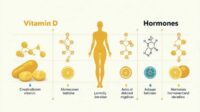
Vitamin D is often framed as a “bone vitamin,” yet its influence extends far beyond skeletal remodeling. Many tissues express vitamin D receptors, including parts of the nervous system and immune system. After childbirth, the body undergoes rapid endocrine transitions: estrogen and progesterone drop sharply, inflammatory signaling shifts, sleep is disrupted, and stress hormones surge and then struggle to recalibrate. In this context, vitamin D may act as a biochemical moderator—helping to regulate inflammation, oxidative stress, and neuroimmune signaling.
Think of postpartum depression as not only a psychological experience, but also a physiology-heavy phenomenon. If vitamin D participates in neurotransmitter synthesis and neuroplasticity, then low levels might reflect—or contribute to—the dysregulation that amplifies depressive symptoms. The promise here is perspective shifting: rather than treating postpartum depression as a purely “mood problem,” vitamin D encourages viewing it as a layered condition, where nutrients can influence the terrain of recovery.
What the Evidence Suggests (and What It Doesn’t)
The most consistent signal across studies is this: women with postpartum depression often show lower vitamin D levels than women without depression. That association doesn’t automatically prove causation. Correlation is a map, not the territory. Depression can change behavior—less outdoor time, altered diet, irregular routines—potentially lowering vitamin D. Yet there’s more intrigue than a simple chicken-and-egg story. Some research indicates that correcting deficiency may be linked to improvements in depressive symptoms, and biological plausibility supports the idea that vitamin D could be more than a passive marker.
In other words, the evidence does not demand certainty. It invites curiosity with guardrails. The most respectful stance is to treat vitamin D as a potentially actionable component: check levels, correct deficiency, and monitor mood as part of a comprehensive postpartum plan.
Spotting Deficiency: Testing, Timing, and Interpretation
Vitamin D status is typically assessed by measuring 25-hydroxyvitamin D (25(OH)D) in the blood. Timing matters. If a test is performed during the darkest winter weeks or shortly after reduced sun exposure, levels can look worse than a baseline would. After delivery, lifestyle disruptions can further affect sunlight exposure and nutrition.
Interpretation also benefits from nuance. Laboratories may report different reference ranges, and there’s ongoing debate about what qualifies as “optimal” for mood outcomes. Still, most clinicians aim to correct deficiency—commonly defined as markedly low serum 25(OH)D—because deficiency itself is linked to broader health consequences.
If you’re pondering vitamin D for postpartum depression, the first step is almost paradoxical: you don’t guess. You measure. Then you treat the measured deficiency rather than relying on intuition alone.
Promising Pathways: How Vitamin D Could Influence Mood
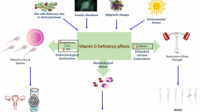
Vitamin D may affect mood through several interconnected mechanisms. One pathway involves inflammation: postpartum immune shifts can influence brain function, and vitamin D is known to modulate inflammatory cytokines. Another pathway involves oxidative stress and cellular resilience. Stressful conditions increase the risk of cellular wear, and vitamin D may help buffer that impact.
There’s also the neurochemical angle. Vitamin D is involved in neurotransmitter systems, including regulation of serotonin-related processes and dopamine activity. It may also influence brain-derived neurotrophic factor (BDNF), a molecule associated with neuroplasticity. When the brain is trying to adapt after major hormonal upheaval, anything that supports plasticity could plausibly reduce vulnerability to depressive symptoms.
Even if these pathways don’t guarantee improvement, they make the hypothesis feel less speculative. The shift in perspective is subtle but meaningful: vitamin D isn’t merely a supplement—it’s a signaling molecule that participates in the body’s attempt to regain equilibrium.
Dosage: How Much Vitamin D Is Typically Used
Dosage strategies depend on baseline vitamin D level, body size, dietary intake, sun exposure, and overall health. For postpartum individuals, dosing plans must also consider breastfeeding and medication interactions.
In clinical practice, a common approach is to use higher doses to correct deficiency, followed by a maintenance dose to prevent relapse. Typical regimens seen in healthcare settings often include:
Correction (short-term repletion): Daily dosing around 2,000–4,000 IU (international units) is frequently used for mild to moderate deficiency, while markedly low levels may prompt higher clinician-guided loading regimens for a defined period.
Maintenance (long-term): A daily dose around 800–2,000 IU is commonly used once adequate levels are reached, though the exact target can vary by guideline and clinician preference.
For some individuals, weekly dosing (for example, 50,000 IU weekly) appears in certain protocols, but this should be clinician-directed and based on lab results. Randomly escalating doses without monitoring can be counterproductive.
Because vitamin D is fat-soluble, careful dosing matters. Over time, excess can increase the risk of hypercalcemia, which can bring symptoms like nausea, constipation, confusion, and kidney strain. This is why “more” isn’t always “better.” The goal is calibrated sufficiency, not maximal dosing.
Breastfeeding Considerations and Safety
Breastfeeding raises a practical question: if you supplement vitamin D, what happens to the infant? Vitamin D can pass into breast milk, and many guidelines encourage vitamin D supplementation for infants depending on local recommendations and exposure. When a mother takes vitamin D to correct deficiency, the approach is generally considered compatible with breastfeeding, provided dosing is appropriate and monitored.
Clinician oversight can help align both maternal and infant needs. If a mother is deficient and also breastfeeding, the combined plan can be structured so that both vitamin D status and infant safety are addressed rather than treated as separate worlds.
This is another promise of shifting perspective: postpartum mental health and postpartum nutrition aren’t isolated domains. They can be synchronized.
Duration and Monitoring: Turning Supplements Into a Plan
Vitamin D doesn’t work like a fast-acting sleep aid or an immediate neurotransmitter switch. It is more like re-tuning a baseline system. Many clinicians recheck 25(OH)D after a few months of consistent dosing to confirm that levels have reached the intended range.
Alongside lab monitoring, mood monitoring is just as important. Postpartum depression can fluctuate. Tracking depressive symptoms with a validated questionnaire, noting sleep quality, appetite changes, and anxiety intensity can help determine whether vitamin D correction is coinciding with improvement—or whether other interventions should be prioritized.
Because postpartum depression is treatable, the most effective mindset is integrative: vitamin D correction can be one thread in a broader tapestry that may include psychotherapy, social support, sleep strategies, and—when indicated—medications.
How to Integrate Vitamin D Into Postpartum Depression Care
Vitamin D should not be treated as a lone savior. Instead, it can function as a supportive lever within a multi-pronged plan. If symptoms are persistent, severe, or include thoughts of self-harm, urgent professional evaluation is essential. Even then, checking vitamin D can still be worthwhile as a complementary step.
An integrated plan might look like this: test vitamin D; correct deficiency with clinician-guided dosing; monitor labs and mood over time; ensure psychotherapy or other postpartum mental health support is in place; and address practical factors like hydration, nutrition, and sunlight exposure when feasible.
Short and long sentences can coexist here—like hope and reality. Hope: vitamin D may help. Reality: postpartum depression deserves comprehensive care.
When Caution Matters: Conditions That Require Extra Attention
Certain conditions call for caution with vitamin D supplementation. People with kidney disease, a history of kidney stones, disorders affecting calcium metabolism, granulomatous diseases (like sarcoidosis), or those taking medications that influence calcium/vitamin D balance should discuss dosing carefully with a clinician. Interactions with thiazide diuretics or certain anticonvulsants may also alter vitamin D handling.
The aim is not fear—it’s precision. When you supplement with intention, monitoring becomes the compass that keeps the dose aligned with safety.
A Final Reframing: From Deficiency to Possibility
Postpartum depression can feel like a closed door. Vitamin D doesn’t fling it open by itself, but it may shift the hinges. The strongest takeaway is not “take vitamin D and everything will be fine.” It’s “consider vitamin D as part of the evidence-based architecture of postpartum recovery.” Measure, correct, monitor, and pair with established mental health care.
And perhaps that’s the most interesting promise: a more holistic lens. When nutrient biology meets emotional wellbeing, the postpartum period can become less of an isolated struggle and more of a pathway toward restoration—one calibrated step at a time.