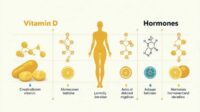
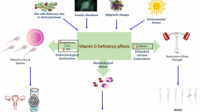
Have you ever wondered why a “small” nutrient can sometimes feel like a big lever for pelvic comfort? Picture your pelvic floor as a finely tuned suspension bridge—always working, rarely noticed, yet essential. Now imagine vitamin D as one of the quiet engineers behind that bridge: not flashy, but influential. If pelvic floor symptoms have been nudging your days—tightness, discomfort, urinary urgency, or postpartum unease—vitamin D might be hiding in the shadows as a plausible contributor to pelvic floor health.
But here’s a playful challenge: what if the reason your pelvic floor won’t fully “let go” isn’t only muscle technique, breathing drills, or posture habits—what if your vitamin D status is quietly sabotaging recovery? Let’s walk through the roles vitamin D may play, why deficiency can matter, and how pelvic floor care becomes more complete when nutrition is part of the plan.
Vitamin D: The Pelvic Floor’s Understated Signaling Molecule
Vitamin D is best known for bone metabolism, yet it behaves more like a signaling hub than a one-trick nutrient. Active vitamin D—commonly referred to as calcitriol—interacts with vitamin D receptors found in many tissues, including those involved in reproductive and urogenital function. This matters because the pelvic floor isn’t merely “muscle”; it’s a coordinated network of smooth muscle activity, connective tissue integrity, nerve signaling, and inflammatory balance.
When vitamin D signaling is suboptimal, cellular processes that depend on regulation and stability can become less efficient. Think of it like having an orchestra where the conductor is slightly out of sync. The performance may still happen, but the harmony can drift—sometimes enough to contribute to discomfort or dysfunction.
Inflammation Modulation and Pelvic Comfort
One reason vitamin D is often discussed in relation to pelvic health is its immunomodulatory profile. In pelvic floor tissues, chronic low-grade inflammation can act like an invisible thrum. It can increase sensitivity, alter local tissue behavior, and perpetuate cycles of pain or dysfunction.
Vitamin D may help shift the immune environment toward resolution rather than escalation. The result could be less inflammatory “static,” allowing tissues to recover more effectively. Short sentences, because the idea is simple: inflammation changes everything. And vitamin D may influence how strongly the body responds.
Muscle Tone, Neuromuscular Function, and Coordinated Contraction
The pelvic floor is a layered structure, and its function depends on both strength and coordination. Vitamin D is associated with neuromuscular performance—an important detail when pelvic symptoms involve either overactivity (hypertonicity) or weakness (insufficient support).
In a hypertonic scenario, the pelvic floor may remain over-guarded. In a weak-support scenario, it may not contract with adequate efficiency. While vitamin D is not a replacement for physical therapy or behavioral changes, it can plausibly influence the physiological capacity for muscle regulation, endurance, and responsiveness.
So, the potential challenge becomes clearer: you can be consistent with exercises, yet still struggle if the biochemical environment isn’t supportive.
Connective Tissue, Collagen Dynamics, and Tissue Resilience
Pelvic floor health is also about connective tissue. Ligaments, fascial planes, and the collagen matrix contribute to suspension and stability. Vitamin D’s relationship with tissue maintenance and remodeling is relevant here.
Collagen integrity is not merely structural; it’s functional. When tissue resilience is compromised, the pelvic floor may feel less able to handle daily load—movement, coughing, lifting, or even prolonged sitting. Vitamin D may contribute indirectly by supporting pathways involved in cellular turnover and tissue upkeep.
In other words, pelvic floor function isn’t only “what the muscle does.” It’s also how tissues hold form and recover after stress.
Hormonal Cross-Talk: Estrogen, Reproductive Health, and Urogenital Sensitivity
The pelvic floor exists in conversation with hormones. Estrogen-related changes can affect urogenital tissues, altering lubrication, tissue thickness, and nerve sensitivity. Vitamin D may participate in reproductive and endocrine signaling, potentially influencing how tissues respond across the lifespan.
This is particularly relevant during periods such as postpartum recovery, perimenopause, or other times when hormonal shifts may heighten discomfort or alter pelvic floor function. The point isn’t that vitamin D “replaces” hormones. It’s that vitamin D may be part of the biochemical milieu that shapes pelvic tissue behavior.
Deficiency Clues: When Low Vitamin D Might Be More Than a Lab Result
Vitamin D deficiency can be sneaky. Some people feel fatigue, diffuse aches, reduced exercise tolerance, or mood changes. Others notice little at all—until an issue becomes persistent. Pelvic floor symptoms can be one of those “later” signals.
Common risk factors include limited sun exposure, darker skin pigmentation (which reduces vitamin D synthesis efficiency), sunscreen overuse without adequate sun time, dietary insufficiency, and certain malabsorption conditions. If pelvic floor therapy feels slower than expected—or symptoms fluctuate with seasonal sunlight changes—vitamin D status deserves thoughtful consideration.
What’s the playful twist? You could be doing everything right with your posture and breathing, yet still have a missing nutrient piece that affects tissue recovery. That’s a solvable puzzle, but only if the clues are gathered.
Vitamin D and Pain Perception: Nerve Signaling, Sensitivity, and Tension
Pelvic pain syndromes often involve altered pain processing—where nerves become more reactive and the body reads normal signals as threatening. Vitamin D has been discussed in broader research contexts for its possible influence on nerve function and inflammatory signaling.
While pelvic pain is multifactorial—anatomy, trauma history, stress physiology, sleep quality, and muscular patterns—vitamin D may modulate the environment in which nerve sensitivity evolves. A quiet biochemical shift can sometimes amplify or dampen perceived discomfort.
So the question becomes: could low vitamin D be a “volume knob” for symptom intensity in some individuals?
Practical Integration: Testing, Lifestyle, and Cautious Supplementation
The most responsible approach starts with measurement. If vitamin D is suspected, clinicians often evaluate serum 25-hydroxyvitamin D levels. The goal is not guesswork, but calibration—so supplementation is targeted and safe.
Lifestyle strategies can help: sensible sun exposure when feasible, vitamin D–fortified foods, and attention to overall nutrition. Yet supplements can be necessary for many people, especially those with deficiency or limited sunlight.
Important: supplementation should be approached with caution and medical guidance, particularly for individuals with kidney issues, hypercalcemia risk, sarcoidosis, or those taking certain medications. Vitamin D isn’t “automatically safe” at high doses. It’s a tool that requires appropriate dosing.
Pelvic Floor Care Still Leads: How Vitamin D Complements Physical Therapy
Vitamin D should not be treated as a standalone cure. Pelvic floor health thrives on a multidisciplinary rhythm: skilled physical therapy, individualized breathing and movement strategies, education on toileting mechanics, and—when needed—pain science informed approaches.
However, vitamin D can complement these efforts. Imagine the pelvic floor as both a mechanical system and a biological habitat. Physical therapy tunes the mechanics. Nutrition helps shape the habitat’s resilience and repair capacity.
When both are addressed, recovery may feel steadier, and flare-ups may become less frequent. That’s the desired outcome: not only symptom management, but improved function over time.
When to Seek Professional Help: Red Flags and Persistent Symptoms
Pelvic symptoms deserve timely evaluation, especially if there is severe pain, blood in urine, fever, sudden incontinence onset, unexplained weight loss, or symptoms that worsen despite consistent conservative care. Also consider professional assessment if postpartum recovery is complicated, if pain is linked to sexual activity, or if urinary symptoms are persistent and disruptive.
Vitamin D may be a relevant factor, but it should be integrated into a broader clinical picture—not used to delay appropriate diagnosis and treatment.

Closing the Loop: A Patient, Thoughtful Strategy for Pelvic Resilience
Vitamin D’s role in pelvic floor health is best understood as supportive—an influence on tissue environment, inflammatory tone, neuromuscular performance, and recovery potential. It doesn’t erase the complexity of pelvic floor dysfunction, but it may change the odds in favor of healing for some people.
So, back to that playful question: what if the missing piece in pelvic floor progress isn’t only technique, but biology? If symptoms feel stubborn, consider a holistic review that includes lifestyle, physical therapy, and—when appropriate—vitamin D assessment.
Your pelvic floor works quietly every day. It deserves a plan that listens to both the body’s mechanics and its chemistry.