There’s a quiet paradox surrounding osteoporosis in women over 40: the bones may feel fine—until they suddenly don’t. And in the background, almost unnoticed, vitamin D performs a much larger job than most people realize. It isn’t merely “about calcium.” It’s about orchestration. It’s about whether your body can reliably turn dietary building blocks into living, resilient structure. When vitamin D levels dip, the story of bone strength begins to wobble, and the consequences can arrive with alarming speed.
Vitamin D: The Overlooked Conductor of Bone Strength
Imagine your skeleton as an architectural masterpiece under construction. Calcium supplies the bricks. Vitamin D supplies the instruction manual that helps cells absorb, mobilize, and deploy those bricks where they matter. Without adequate vitamin D, calcium absorption becomes less efficient—like trying to build a house with delivery trucks that arrive inconsistently. Over time, this inefficiency nudges bone remodeling toward net loss.
This is why vitamin D is often framed as “essential,” not because it’s magical, but because its absence creates a cascade. Your body can’t fully capitalize on calcium intake. Muscles may function less powerfully, increasing fall risk. Even the subtle molecular signaling that supports bone health can become less cooperative.
The shift in perspective begins here: vitamin D is not a side character. It’s a systems regulator. And the older you get, the more that regulation matters.
Why Women Over 40 Are Especially Vulnerable
After 40, multiple realities converge. Hormonal transitions can accelerate bone turnover. Lifestyle patterns—less outdoor time, different dietary rhythms, and changing activity levels—can reduce natural vitamin D production. Skin also becomes less efficient at synthesizing vitamin D from sunlight. So even if you remain “health-conscious,” your vitamin D status may quietly drift.
Then comes a second layer: osteoporosis is not simply a “bone problem.” It’s a whole-body resilience problem. Reduced vitamin D can mean weaker muscle performance. Weaker muscles increase the probability of falls. Falls are the gateway event for fractures. Suddenly, vitamin D becomes both a bone and a safety mechanism.
Curiosity is warranted. If vitamin D influences fracture risk through more than one pathway, then addressing it may offer benefits that extend beyond labs.
What Happens When Vitamin D Is Low?
Low vitamin D can show up in an underwhelming way. Some people feel fatigue or vague musculoskeletal discomfort. Others feel nothing at all—until imaging reveals the consequences. The body can compensate briefly, but compensation is not the same as restoration.
When vitamin D is insufficient, calcium absorption decreases. The body may respond by increasing parathyroid hormone activity, which can pull calcium from bone to maintain blood calcium levels. That’s the metaphorical tug-of-war: stability in the bloodstream, vulnerability in the skeleton.
Bone remodeling is constantly happening. The issue is balance. Osteoporosis is what emerges when formation can’t keep up with resorption.
Here’s the promise that shifts perception: low vitamin D is often addressable. It’s not a fixed fate. It’s a modifiable variable.
Symptoms vs. Silent Risk: The Importance of Testing
Vitamin D deficiency can be stealthy. Because it doesn’t always produce dramatic symptoms, relying on how you “feel” can be misleading. Testing helps turn uncertainty into clarity.
A common approach is to measure 25-hydroxyvitamin D, the circulating form that best reflects vitamin D status. Discussing results with a clinician allows you to interpret them alongside personal fracture risk, diet, sun exposure, kidney health, and medications.
Think of testing as a compass rather than a verdict. It doesn’t merely label. It guides. It tells you whether supplementing is likely to help, and how carefully to tailor that effort.
If curiosity feels uncomfortable, let it become fuel. Knowing what’s happening in your body is empowering.
Vitamin D and Calcium: A Partnership, Not a Substitution
Calcium is the raw material, but vitamin D ensures the material gets utilized. When people focus solely on calcium, they can unintentionally create a bottleneck. It’s like having all the lumber on site but lacking the tools to assemble it.
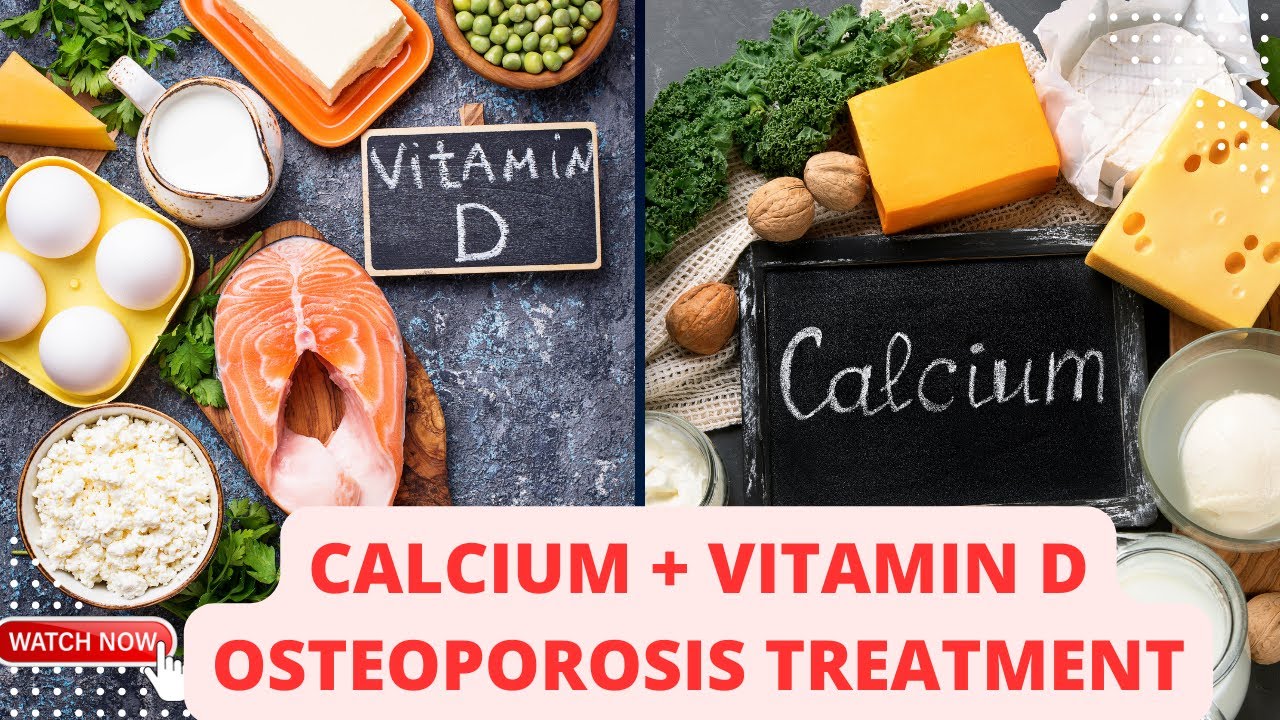
For osteoporosis support, many women use vitamin D alongside dietary calcium. Dairy foods, fortified alternatives, leafy greens, and certain fish can contribute. However, the “best” plan varies: some people need more dietary intake, while others benefit from targeted supplementation.
A cohesive strategy often includes both. Vitamin D supports absorption; calcium supports structural integrity. Together, they help reduce the mismatch between intake and biological use.
And there’s another subtle benefit: addressing vitamin D often improves muscle function, which indirectly protects bones by lowering fall risk.
How Much Vitamin D Is Enough? Thinking in Ranges
Determining an appropriate dose is rarely one-size-fits-all. Factors include baseline vitamin D level, body weight, age-related skin changes, geographic location, sun exposure, and coexisting conditions. Some medications can also alter vitamin D metabolism.
Many clinicians aim for sufficiency rather than excess. Overdoing vitamin D can lead to unwanted effects because vitamin D is fat-soluble and can accumulate. This is why dose decisions should be thoughtful and guided.
A more modern mindset emerges: instead of chasing a perfect number, aim for a well-supported range, then reassess. Lifestyle changes, seasonal shifts, and adherence all play a role.
Curiosity here is practical. Ask questions about whether you need daily dosing, intermittent dosing, or adjustment after follow-up testing.
Choosing Supplements: D3, Timing, and Tolerability
Vitamin D supplements commonly come as D2 or D3. Many prefer formulations that are easier for the body to use, though individual recommendations vary. What matters most is consistency, appropriate dosing, and compatibility with your health profile.
Timing can matter too. Vitamin D absorption often improves when taken with meals that contain some fat. This small detail can make a meaningful difference, especially if you’re trying to maintain stable levels.
Tolerability is another quiet concern. Some people experience gastrointestinal discomfort. Others find certain tablet sizes challenging. In those cases, discussing alternatives—different forms, doses, or schedules—can help keep the plan sustainable.

Sunlight: A Natural Source with Complicated Reality
Sunlight is often described as the simplest solution, yet reality is nuanced. Cloud cover, pollution, skin pigmentation, latitude, time of year, clothing habits, and even sunscreen use all influence vitamin D synthesis.
For women over 40, the same sunlight dose can produce less vitamin D than it once did. So relying purely on summer exposure may leave winter levels insufficient.
Still, sunlight can be a meaningful supplement to diet and supplements. The key is balancing adequate exposure with skin safety. The goal is not to “chase” tanning. The goal is consistent, reasonable support.
Here’s where the perspective shifts again: sunlight isn’t a guarantee. It’s a variable. And variables are best paired with measured strategies.
Dietary Strategies That Reinforce Supplement Efforts
Vitamin D is harder to obtain from food than many nutrients, but the diet still matters. Fortified milk and yogurts, fortified plant milks, fatty fish, and egg yolks can contribute. Pairing dietary vitamin D with calcium-rich foods strengthens the overall framework.
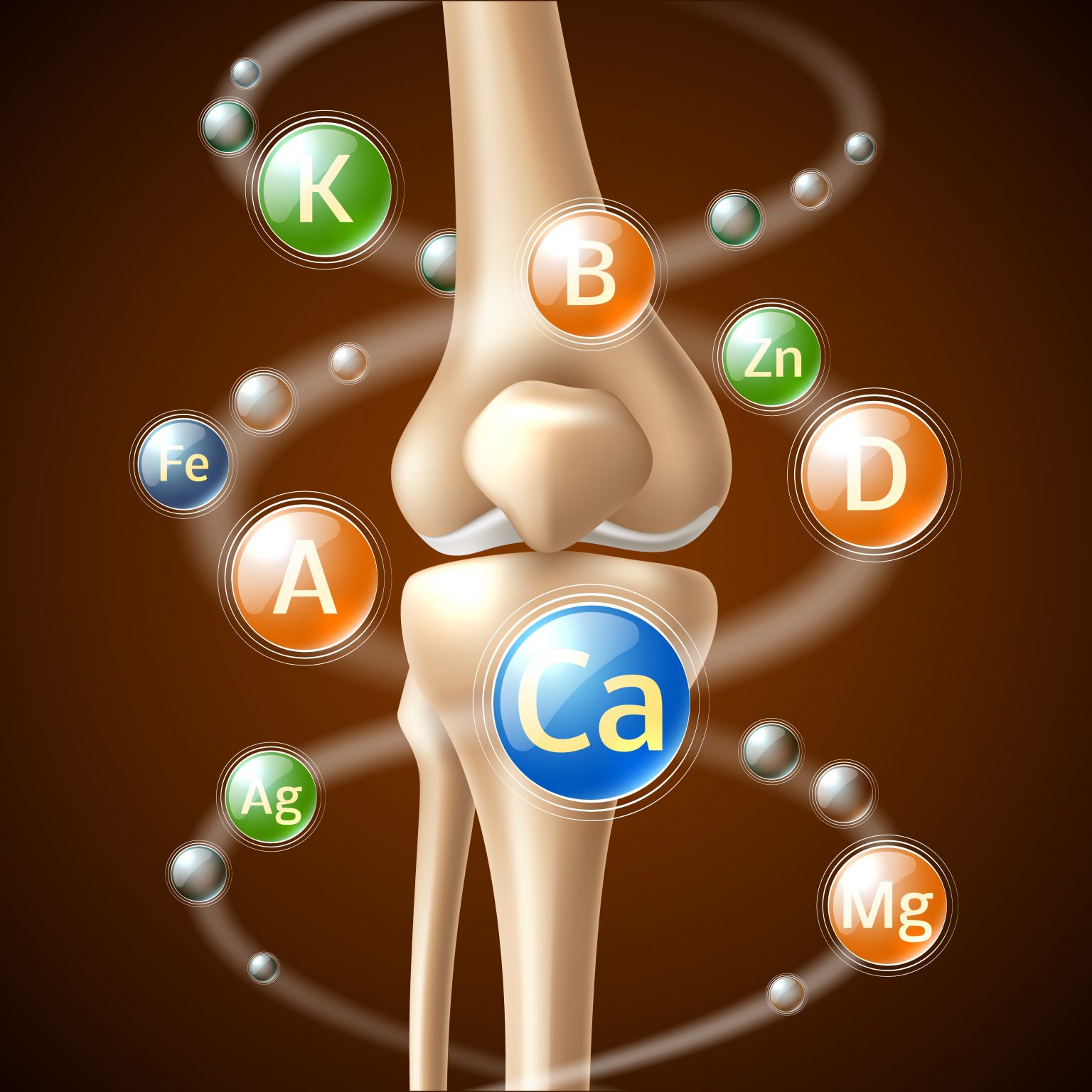
Some women also benefit from maintaining adequate protein and micronutrients involved in bone metabolism, such as magnesium and vitamin K (through diet). While these don’t replace vitamin D, they help create a more supportive environment for bone maintenance.
Think of nutrition as the steady scaffolding. It supports the visible parts of bone health while vitamin D handles the invisible logistics of absorption and utilization.
Fracture Prevention: Beyond Lab Values
Osteoporosis care has a practical endpoint: fewer fractures, better mobility, and greater confidence in everyday life. Vitamin D can contribute by supporting bone mineralization and improving muscle performance, which together reduce fall and fracture risk.
It’s tempting to treat lab numbers as the finish line. But the real scoreboard includes posture, strength, balance, and the likelihood of injury. When vitamin D supports muscle function, the benefits spill outward—into stairs, sidewalks, and daily rhythms.
This is where the curiosity becomes actionable. Many women find it useful to pair vitamin D optimization with strength training, balance exercises, and fall-risk awareness.
A Thoughtful Plan: Practical Next Steps
Start with a conversation. Request vitamin D testing and discuss results in the context of your age, fracture risk, dietary intake, and sun exposure. Review current medications with attention to how they might interact with vitamin D metabolism.
Then build a plan that can endure. Choose a supplement dose that matches your status and goals, take it consistently—often with meals—and reassess after a suitable interval. Reinforce with diet and safe sunlight practices.
Finally, connect the dots: vitamin D is one piece of osteoporosis prevention, not a lone hero. Exercise, adequate calcium, and medical risk management complete the picture.
There’s a reason this topic feels quietly persuasive. Vitamin D offers hope that isn’t vague. It’s measurable, adjustable, and often responsive—turning osteoporosis prevention into a more controllable narrative.
When to Seek Medical Guidance
Seek professional guidance if you have a history of fractures, known osteoporosis, kidney disease, hyperparathyroidism, recurrent falls, or symptoms of significant deficiency. Also consult a clinician if you are pregnant, have complex medical conditions, or take medications that affect bone density.
Vitamin D is powerful, but power requires calibration. The most effective approach is individualized, cautious, and monitored—so your bone health strategy remains both bold and safe.