There’s a particular kind of silence that settles after an athlete reports pain that just won’t leave—an ache that starts as a whisper during training and gradually becomes a persistent storyline. Bone stress fractures often arrive wearing ordinary clothing: soreness, stiffness, “maybe it’s just overuse.” Yet beneath that ordinary surface lies a complex biology, one in which vitamin D plays a surprisingly central role. For female athletes in particular, the promise of vitamin D is not merely about supplements; it’s about perspective—about seeing fractures as signals from the skeleton, not just consequences of workload.
Why Bone Stress Fractures Feel So Personal in Female Athletes
Bone stress fractures occur when remodeling can’t quite keep pace with repeated mechanical strain. Bones are not static scaffolding; they are dynamic living tissue, constantly negotiating damage and repair. When training intensity ramps up faster than the body can recalibrate, micro-injuries accumulate. Eventually, the injury crosses a threshold and symptoms surface—pain with impact, localized tenderness, sometimes swelling.
For many female athletes, the risk landscape is shaped by a confluence of factors. Energy availability can drop unintentionally when training volume rises and appetite doesn’t keep pace. Hormonal environments also matter; disruptions can alter how effectively bones absorb calcium and how efficiently osteoblasts and osteoclasts coordinate rebuilding. Together, these elements can create a biology that is “one misstep away” from skeletal fatigue.
This is where vitamin D enters the narrative—not as a magic antidote, but as a key that helps the body carry out essential bone-related tasks. Without it, the body’s calcium-management system works with diminished efficiency, like an engine running slightly off-spec.
Vitamin D: More Than a Sunlight Surname
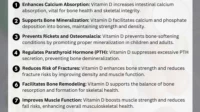
Vitamin D is often described as a sunshine vitamin, but its influence is more biochemical than poetic. In the body, vitamin D supports intestinal absorption of calcium and phosphate. It also helps regulate bone mineralization—the process of “hardening” the osteoid matrix into resilient structure. If mineralization is compromised, bone can become less able to withstand repetitive loading.
The most important conceptual shift is this: vitamin D isn’t only about preventing deficiency. It’s about maintaining an ecosystem in which bone repair has the right materials. When vitamin D status is low, the body may attempt to compensate. Sometimes compensation is possible; sometimes it isn’t. And in athletes pushing high training volumes, the margin for error shrinks.
Think of bone as a construction site under constant stress. Vitamin D helps ensure the delivery of critical supplies and supports the work that converts blueprint into durable infrastructure.
Promises and Tradeoffs: The Relationship Between Vitamin D and Skeletal Resilience
Studies exploring vitamin D and stress fractures often point to a pattern: lower vitamin D status is associated with higher risk of bone stress injuries. While this doesn’t mean vitamin D alone determines outcomes, the signal is compelling. Vitamin D can be understood as a risk modifier—one element among many that can tilt the probability toward recovery or toward persistent skeletal fatigue.
Here’s the curiosity-worthy nuance: even athletes who eat “well” may still have suboptimal vitamin D levels. Dietary sources of vitamin D are relatively limited, and sunscreen, indoor training, seasonal changes, and geographic latitude can further reduce synthesis. Thus, deficiency can hide in plain sight behind a routine that appears nutritionally sound.
The promise is practical: if vitamin D status is low, correcting it may improve the conditions for bone mineralization and remodeling. The tradeoff is equally important: supplementation should not be treated like a standalone guarantee. Bones need more than calcium and vitamin D; they need adequate energy, protein, appropriate recovery, and a sensible training progression.
Signs That Vitamin D Might Be Underperforming
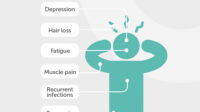
Vitamin D deficiency can be stealthy. There may be no dramatic symptoms, especially early on. Still, certain clues can raise suspicion: frequent fatigue, diffuse musculoskeletal discomfort, history of limited sun exposure, darker skin pigmentation in low-sun seasons, or consistent indoor training environments. Another clue is a pattern of recurrent injuries—especially when the injuries cluster in weight-bearing bones.
For female athletes, menstrual history and overall energy balance can indirectly inform the discussion. When energy availability is compromised, bone health is more vulnerable, and vitamin D deficiency may act as an additional irritant in already stressed physiology.
The most direct approach is testing. A clinician may measure serum 25-hydroxyvitamin D, the standard marker for vitamin D status. From there, a personalized plan can be built—one that respects both safety and athletic goals.
Testing and Targeting: Turning Uncertainty into a Plan
The biggest improvement in perspective comes from replacing guessing with metrics. Vitamin D supplementation is often discussed in broad terms, but athletic bodies benefit from calibration. Testing helps determine whether a low level is present and how aggressive the correction should be.
Once results are known, clinicians can tailor dosing strategies. Some plans use loading periods followed by maintenance, while others favor gradual correction. The key is consistency and follow-up—because vitamin D isn’t only about reaching a number; it’s about sustaining a functional level throughout training cycles.
Safety matters too. Vitamin D is fat-soluble, meaning excess can accumulate. That’s why a targeted approach beats casual dosing. Bones thrive on precision, not guesswork.
Supplementation Strategies: What Athletes Actually Need to Know
Vitamin D supplementation strategies vary based on baseline status, season, diet, and training location. For female athletes, considerations include indoor vs outdoor training patterns and whether time outdoors is constrained by sport schedules. Some athletes also face barriers such as limited recovery time, travel-induced disruptions, or busy competition calendars that make consistent sun exposure unrealistic.
In many contexts, vitamin D is used to correct deficiency, support ongoing bone health, and potentially reduce the risk of stress fractures in high-demand periods. But the most effective strategy typically integrates vitamin D with other supportive practices: sufficient dietary calcium, adequate protein intake, and a training load that respects the remodeling timeline of bone.
In other words: vitamin D is a foundation material, not a replacement for architecture. If energy availability is low and training is accelerating rapidly, vitamin D alone can’t build stability.
When Pain Strikes: Vitamin D as a Part of Fracture Recovery
Bone stress fracture management usually involves reducing load, sometimes using imaging to clarify severity, and then rebuilding tolerance through graded return. Vitamin D can be supportive during recovery because bone remodeling requires adequate mineralization and metabolic support.
However, recovery is not only biochemical. It is biomechanical and behavioral. Athletes often return too fast because they feel better before the bone is fully healed. Vitamin D can assist physiology, but adherence to rehabilitation protocols protects structure from re-injury.
During the healing window, a comprehensive plan typically includes nutrition support, sleep optimization, and progressive loading. Vitamin D belongs inside that framework, quietly improving the conditions in which healing can occur.
Training Load, Hormones, and Energy: The Triad That Determines Bone Fate
Vitamin D works within a broader triad: mechanical loading, hormonal environment, and energy availability. If one leg of the triad collapses, bone outcomes can deteriorate even when vitamin D is adequate. Female athletes often face unique challenges within this triad—sometimes related to training pressures, sometimes related to dietary constraints, sometimes related to hormonal variability.
Bone stress fractures are frequently a “systems problem” disguised as a single injury. That perspective encourages better decisions. Rather than viewing the fracture as an isolated event, it becomes a diagnostic reflection of the athlete’s current equilibrium.
The curiosity shift is powerful: vitamin D is not a separate story. It is a chapter within a larger book about sustainable performance.
Practical Steps for Female Athletes: A Curiosity-Driven Checklist
Start with observation. Track injury patterns, training surges, and recovery consistency. Ask whether sun exposure is consistent and whether dietary calcium is reliably present. Then consider lab testing rather than guessing.
Build the plan: use supplementation when indicated, align it with a clinician’s guidance, and pair it with nutrition and rehabilitation best practices. Finally, revisit the strategy during different seasons—because vitamin D status is seasonal, and athlete schedules are not static.

The Shift in Perspective: From “Fix Me” to “Support My Skeleton”
Perhaps the most meaningful promise vitamin D offers female athletes is not simply fracture prevention. It’s empowerment through a refined understanding. When athletes view stress fractures as signals of disrupted remodeling rather than as random misfortune, they can respond with targeted support—better training progression, improved energy balance, and vitamin D optimization.
Bone is a long-term collaborator. Vitamin D helps it keep up with the demands of sport. When that collaboration improves, the athlete’s story changes—from one defined by repeated stops to one defined by sustained momentum.