It’s a familiar scene: the child who was cheerful in the morning becomes suddenly cranky by mid-afternoon, or the toddler’s patience seems to evaporate just as quickly as their snack. Parents often interpret irritability as “just a phase,” or blame sleep, hunger, or overstimulation. Yet there’s a quieter possibility that many families overlook—vitamin D. Not as a cure-all, not as a magic switch, but as a subtle biochemical conductor that can influence mood regulation, stress reactivity, and overall emotional steadiness. And once you notice the pattern—how indoor days, limited sunlight, or picky eating sometimes coincide with mood swings—you may find yourself fascinated by the deeper reasons the body treats vitamin D like something more than a nutrient.
Why Vitamin D feels connected to mood more than people expect
Vitamin D is often introduced as a bone-and-growth vitamin. That’s true, but it’s also incomplete. In reality, vitamin D participates in far broader “neuro-regulatory” processes. It interacts with receptors that are present in brain tissue and other body systems involved in behavior and emotional response. When vitamin D levels are low, the body may become less efficient at maintaining chemical balance. The result can look like irritability, restlessness, or a shorter emotional fuse.
Here’s a common observation: children can be especially sensitive to small disruptions. A mild sleep debt, a slightly delayed meal, or a colder-than-usual day can tip the temperament from stable to volatile. Vitamin D’s role may help explain why some children seem to “overreact” more than others. Think of it as part of the background calibration that keeps the nervous system from running too hot.
:max_bytes(150000):strip_icc()/MaryRuthsOrganicToddlerVitaminD3K2LiquidDrops-eb542c472ab54a98b1a76d61ef60df2a.jpg)
The deeper biology: vitamin D as a mood “co-pilot”
To understand vitamin D and irritability, it helps to consider how mood is built. Mood isn’t merely a mental state; it’s an emergent property of the nervous system, shaped by neurotransmitters, inflammation signaling, and stress-response pathways. Vitamin D helps modulate several of these systems, which can influence how a child experiences discomfort, handles frustration, and regulates impulses.
One reason vitamin D seems oddly connected to irritability is that low levels can coincide with a heightened inflammatory tone. Inflammation doesn’t always present as obvious illness. It can exist as a subtle background “weather system,” altering how the body responds to stressors—like fatigue, sensory overload, or minor infections. When the background weather is stormier, children may appear crankier, less resilient, and more reactive.
Another hidden mechanism involves oxido-reductive balance—essentially how the body manages oxidative stress. When that balance skews, the nervous system can become more irritable, and children may show mood symptoms sooner than adults do. This is one of the reasons vitamin D deficiency can feel like a behavioral issue before it ever looks like a classic nutritional deficit.
Sunlight, seasons, and the “indoor winter temperament”
Many families notice a trend: mood volatility increases in winter, when daylight shrinks and outdoor time diminishes. Sunlight triggers vitamin D production in the skin, and reduced exposure can lower vitamin D status even when children are otherwise healthy. The shift can be gradual, but the behavioral effect—especially in young children—can be immediate and noticeable.
There’s also a modern layer: more indoor lifestyles, sunscreen habits, and darker skin tones can reduce vitamin D synthesis, even under decent weather. Some parents interpret this as “they’re just cabin-feverish.” Cabin fever may play a role, but vitamin D can add an internal dimension to that external confinement.
It’s less about blame and more about pattern recognition. When irritability tracks with seasons, school schedules, or reduced outdoor play, it becomes easier to ask whether vitamin D is part of the puzzle.
Beyond mood: irritability can travel with fatigue and immune stress
Irritability rarely travels alone. It often coexists with low energy, frequent complaints of aches, and a general “not quite right” feeling. Vitamin D’s influence on the immune system may contribute to how often children feel run-down, and how quickly they lose patience when they’re not feeling optimal.
Children may struggle to articulate what’s happening inside them. They don’t say, “My immune signaling is dysregulated today.” They simply melt down sooner. That’s why vitamin D can appear linked to mood: the emotional expression may be an umbrella symptom covering physical strain.
Consider that mood regulation and physical comfort are tightly coupled. When comfort decreases—through mild inflammation, poor energy metabolism, or uncomfortable sensations—the brain’s threshold for stress also shifts downward. Irritability becomes a kind of emotional “thermostat” responding to bodily signals.
What signs can hint at low vitamin D—without jumping to conclusions
It’s tempting to self-diagnose based on behavior alone, but irritability is non-specific. Still, there are clues worth watching when combined with lifestyle factors: limited sun exposure, consistently low vitamin D intake from food, darker skin, exclusive indoor routines, or a diet that rarely includes fortified dairy alternatives and fatty fish.
Some children may develop symptoms such as muscle weakness, delayed growth, or bone discomfort, though these are not guaranteed and can vary widely. In milder cases, the most visible change can be emotional regulation—more frequent tantrums, sudden frustration, or difficulty settling.
Instead of treating irritability as a stand-alone diagnosis, treat it as a conversation starter with pediatric guidance. A thoughtful clinician will weigh the child’s overall health history and may consider lab testing when appropriate.
Choosing a supplement: drops, gummies, and practical dosing
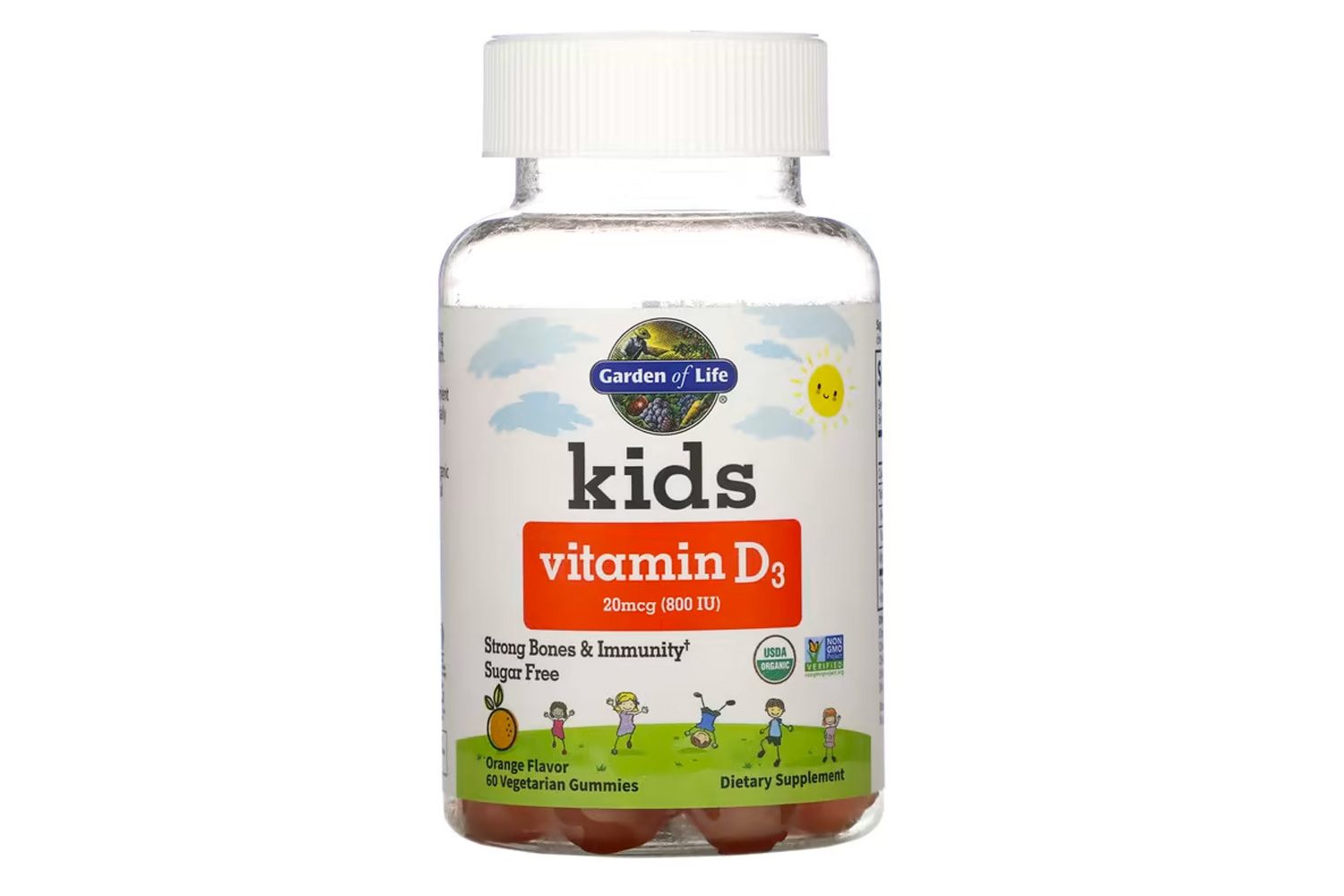
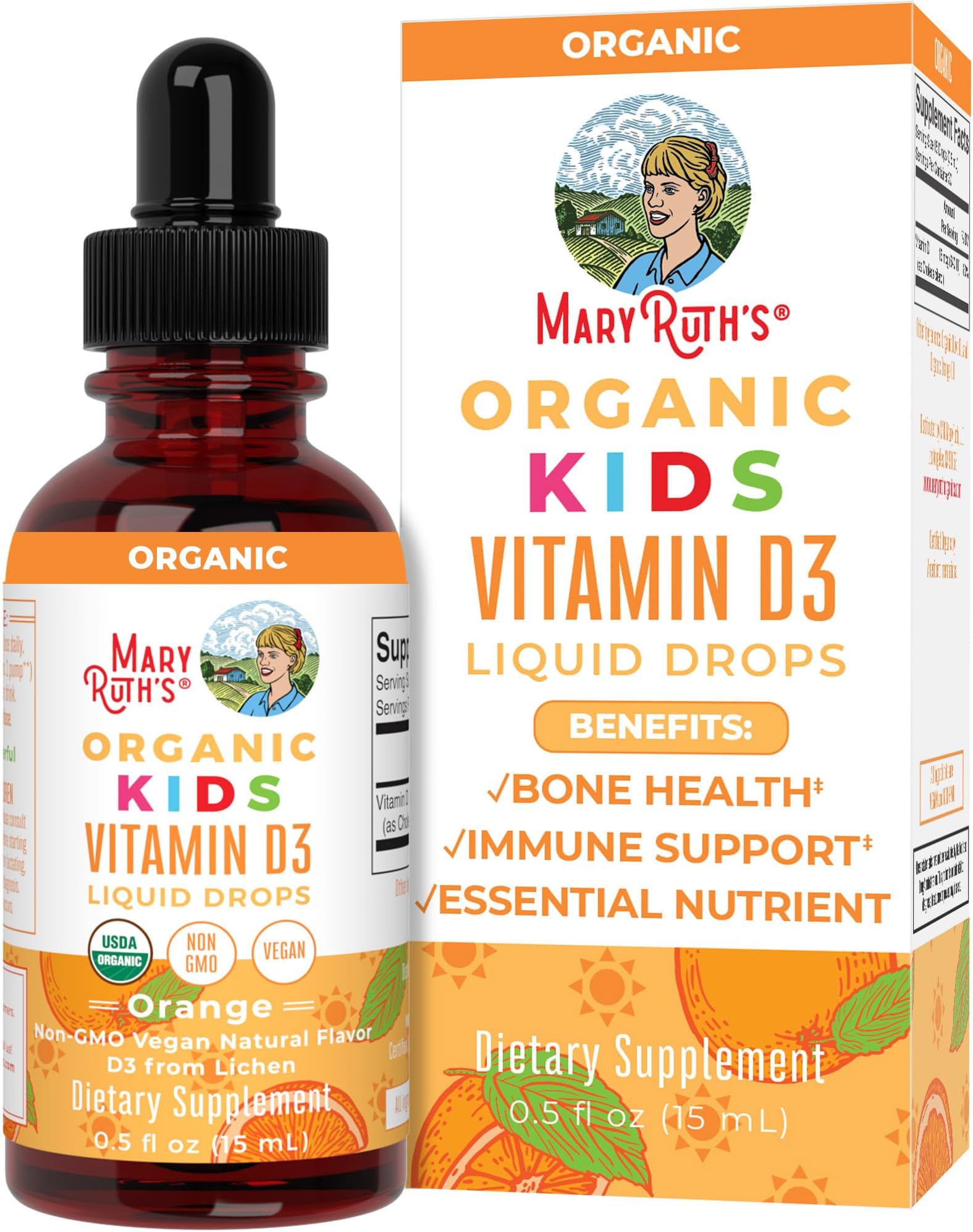
If a clinician recommends vitamin D, parents often face an immediate question: how to deliver it reliably. The best option is usually the one a family can administer consistently. For many children, liquid drops can be easier to tailor and can reduce sugar exposure. Gummies can be appealing but may complicate dosing schedules due to flavor preferences and variable appetite.
Look for age-appropriate formulations and clear dosing instructions. Many vitamin D products are vitamin D3 (cholecalciferol), which is commonly used because of its effectiveness in raising vitamin D levels. Some products also include vitamin K2, which is designed to complement vitamin D’s role in calcium metabolism.

Consistency matters. A single missed dose rarely makes a difference, but erratic intake can blur whether vitamin D is truly helping mood. Think of it as rhythm: the body benefits when support arrives predictably, not sporadically.
How quickly might mood improve, and how long should you watch?
Vitamin D doesn’t behave like an instant “calming” medication. Emotional steadiness tends to be gradual rather than theatrical. Some families notice changes within weeks, especially if deficiency was a contributing factor. Others see improvements later, depending on baseline levels, dosage, and the presence of other stressors.
A practical approach is to keep a simple, nonjudgmental record: bedtime consistency, outdoor time, snack timing, hydration, and episodes of irritability. Over time, patterns emerge. If vitamin D is part of the story, irritability may soften alongside improved energy, better recovery after stressful moments, or less frequent emotional blow-ups.
Still, it’s essential to consider other contributors—growth spurts, screen time, allergies, constipation, or disruptions in sleep. Mood is a mosaic, not a single tile.
Safety, upper limits, and the importance of guidance
Vitamin D is fat-soluble, meaning it can accumulate if taken in excess. That’s why “more” isn’t automatically “better.” Parents should avoid guessing doses and should follow pediatric recommendations. Especially for children already receiving vitamin D from fortified foods or multivitamins, overlapping doses can quietly add up.
If vitamin D status is being actively addressed, clinicians may recommend periodic monitoring in certain scenarios. This helps prevent overshooting target ranges while still supporting the child’s needs.
Safety is not a buzzword here; it’s a guardrail. When the goal is emotional steadiness and healthy growth, the dosage must remain physiologically sensible.
Supporting mood holistically: vitamin D alongside everyday strategies
Vitamin D can be a meaningful piece of the puzzle, but mood regulation also depends on daily structure. Regular meals reduce biochemical volatility. Adequate sleep supports emotional thresholds. Outdoor play provides sensory balance and, indirectly, helps vitamin D through sunlight exposure. Hydration and fiber support comfort and gut health, which also influence mood.
When parents pair vitamin D with routine, the improvements—if vitamin D is relevant—often feel more coherent. The child is not merely “less irritable.” They may become more adaptable, less reactive to minor frustrations, and better able to transition between activities.
When to seek professional help for persistent irritability
If irritability is severe, persistent, or accompanied by regression in sleep, appetite changes, developmental concerns, or signs of pain, professional evaluation is warranted. While vitamin D deficiency can contribute to mood changes, irritability can also reflect other medical or psychosocial factors.
Parents deserve support that respects both the emotional reality of daily life and the scientific need for proper assessment. A clinician can determine whether vitamin D testing makes sense, review diet and sun exposure, and evaluate whether behavioral strategies or other interventions are more appropriate.
A closing reflection: why the body links nutrition and temperament
The fascination with vitamin D and mood grows because the connection is both subtle and observable. It’s rarely dramatic. It’s more like tuning an instrument: when the background conditions are right, the child’s temperament harmonizes with daily life. When the background conditions are off—through limited sunlight, low dietary intake, or seasonal changes—irritability may rise like heat from a hidden mechanism.
Vitamin D may not be the only factor in a child’s mood, but it can be an unexpectedly important one. By considering it thoughtfully—through guidance, appropriate supplementation, and holistic routines—parents may find that calmer days are not merely a matter of willpower or patience. Sometimes they begin with biochemistry, and then gently ripple outward into everyday connection.