

Talking about vitamins during weight loss treatment can feel awkward—especially when appointments are already packed with numbers, schedules, and expectations. Yet discussing vitamin D with your prescriber isn’t only reasonable; it’s often clinically prudent. Vitamin D plays a role in bone health, immune regulation, muscle function, and—depending on the individual—metabolic processes that can influence how you feel while taking weight loss drugs. A thoughtful conversation can transform uncertainty into clarity, helping you navigate supplements, lab results, and safety boundaries with confidence.
Start with a mission statement: why you want to discuss vitamin D
Before the appointment, prepare a brief purpose-driven opening. Something like: “I want to make sure vitamin D is being handled appropriately with my weight loss medication plan.” Short statements reduce friction. They also help the clinician understand that the conversation is not casual curiosity—it’s part of coordinated care.
Then add context. Have you noticed symptoms such as muscle aches, fatigue that feels out of proportion, low mood, or frequent falls? Are you spending limited time outdoors or using sunscreen consistently? Are you following a diet with minimal fortified foods? Your prescriber doesn’t need a dramatic backstory, but they do need the relevant texture of your daily life. These details can influence which labs are appropriate and whether supplementation is likely to help.
Know what your prescriber actually needs to make decisions
Vitamin D discussions are easiest when you bring the right information. Think in categories rather than a single “magic number.” Your prescriber may evaluate:
Your medication regimen. Different weight loss drugs can affect appetite, nutrition patterns, and sometimes gastrointestinal absorption. Even when vitamin D is not directly contraindicated, your overall physiology matters.
Your medical history. Conditions such as kidney disease, malabsorption syndromes, hyperparathyroidism, or certain endocrine disorders can alter vitamin D handling.
Previous lab values. If you’ve had a 25-hydroxyvitamin D test before, share the value and date. If not, ask whether testing is warranted.
Current supplementation. Bring the label or a clear photo. Many people underestimate how much vitamin D they already consume from multivitamins, fortified drinks, or “immune support” products.
Arrive with documents. Medication lists and supplement amounts reduce the need for guesswork. Less guesswork means fewer unintended consequences.
Understand vitamin D basics without getting lost in the weeds
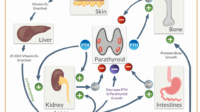
Vitamin D is often framed as a single supplement, but it behaves more like a hormone-like nutrient. Your body converts it through multiple steps. The most clinically useful blood marker is typically 25-hydroxyvitamin D, which reflects vitamin D stores.
It’s also useful to distinguish between common phrases you may hear:
Deficiency generally suggests low stores that may correlate with bone and muscle concerns.
Insufficiency implies borderline levels—sometimes corrected with modest supplementation, lifestyle adjustments, or both.
Toxicity risk is real when high doses continue without monitoring. Your goal is equilibrium, not maximal dosing.
Use plain language with your clinician, but allow for nuance. A productive conversation acknowledges both comfort and complexity.
Discuss labs strategically: when to test and what to ask for
Ask whether you should have vitamin D measured now, after a period of supplementation, or only if symptoms or risk factors apply. If your clinician is considering labs, you can request a targeted approach rather than a broad panel.
Common questions include:
Should we check 25-hydroxyvitamin D?
Do I need calcium and PTH (parathyroid hormone) screening?
Should we evaluate kidney function if dosing is likely to increase?
Sometimes a clinician may also consider magnesium if treatment is prolonged, because low magnesium can impede vitamin D metabolism. You don’t need to micromanage. But you can invite thoughtful consideration: “If my numbers are low, what is your monitoring cadence?”
Monitoring cadence matters. A plan with no follow-up is like a navigation route without checkpoints.
Clarify supplementation types, dosing patterns, and absorption realities
Not all vitamin D products are identical. Your prescriber may suggest a specific form—often cholecalciferol (vitamin D3)—because it’s frequently used in clinical and supplement contexts. Some individuals use ergocalciferol (vitamin D2), depending on availability or prior recommendations.
Then discuss dosing. There are daily regimens, weekly strategies, and occasional higher-dose “repletion” protocols. Each approach has tradeoffs in convenience, adherence, and monitoring. Ask what target level they’re aiming for and how long you should stay on the initial dose.
Absorption is another practical variable. Weight loss drugs can change appetite, meal timing, and sometimes gastrointestinal dynamics. If vitamin D is taken without food—especially in fat-soluble contexts—absorption may be less consistent. A calm, direct question helps: “Is there a preferred time of day for me to take vitamin D with my meals or my dosing schedule?”

Sometimes the most helpful answer is also the simplest: take with a meal, keep the routine steady, and reassess with labs.
Address drug–nutrient interactions and safety boundaries
Vitamin D is usually safe when used appropriately, but safety boundaries deserve respect. Calcium levels can rise when vitamin D dosing is excessive or when underlying conditions amplify sensitivity. Your prescriber may ask about symptoms such as increased thirst, frequent urination, constipation, confusion, or unusual weakness—signs that require prompt evaluation.
Because weight loss drugs can be associated with nutritional changes, the conversation should also include:
Overall nutrient adequacy. Vitamin D rarely travels alone. Discuss whether you also need attention to calcium, vitamin K, protein intake, or magnesium based on your diet.
Kidney health and stone risk. If you have a history of kidney stones, dosing must be careful and monitoring should be consistent.
Medication timing. If you take other supplements or medications that affect absorption (such as certain mineral binders), your prescriber may recommend spacing strategies.
Safety is not a limitation; it’s a design feature. When a clinician outlines boundaries, it’s meant to keep you protected while you pursue progress.
Plan the narrative of your symptoms and progress
A prescriber listens better when the discussion follows a coherent timeline. Describe your experiences in a structured way:
Before treatment: How you felt and what you noticed.
After starting the weight loss drug: What changed and when.
After any vitamin D trial: Whether symptoms improved, stayed identical, or worsened.
Short sentences help you be precise. “I noticed muscle soreness within two weeks.” “Fatigue improved slightly after I started supplementing.” Long sentences are useful for connecting dots: “The fatigue feels different from normal tiredness, and it correlates with low sun exposure this season.”
When you provide this narrative, your prescriber can distinguish between coincidence and causality. That distinction saves time and prevents unnecessary escalation.
Discuss lifestyle supports alongside supplementation
Supplements can be useful, but vitamin D is also shaped by life rhythms. Ask about realistic strategies tailored to your schedule and skin sensitivity. Potential lifestyle supports include safe sun exposure practices, dietary adjustments, and consistency with meal timing.
Depending on your clinician’s perspective, you might consider:
Food sources. Fortified dairy alternatives, fortified cereals, fatty fish, and egg yolks can contribute. They may not replace supplementation if levels are very low, but they can support maintenance.
Exercise synergy. Resistance training supports muscle and bone health. If your weight loss drug is reducing appetite, exercise planning can help preserve muscle mass—vitamin D often becomes a supporting actor rather than a lone hero.
Seasonal adjustments. Levels can fluctuate with winter conditions or indoor lifestyles. You can ask whether your plan should change seasonally.

Make a clear follow-up plan: targets, timelines, and accountability
Leave the appointment with a concrete plan, not a vague intention. Ask:
What is the target vitamin D level for me?
What dose should I take and for how long?
When should we recheck labs?
What symptoms should prompt earlier contact?
How will this fit with my weight loss drug schedule?
If the clinician provides a regimen, request a written summary or use a notes app immediately after the visit. Accountability improves adherence. Adherence improves outcomes. Outcomes build momentum.
Know what “good communication” sounds like in practice
Healthy conversations aren’t confrontational or overly technical. They are collaborative. You can use lines such as:
“I want to avoid duplication—can we review all my supplements together?”
“If my labs are low, what is the stepwise approach?”
“What’s the safety threshold for dose increases, and how will you monitor calcium?”
“Given my weight loss medication, do you expect absorption changes, or should we rely on standard dosing?”
These questions show seriousness without panic. They also invite the clinician to tailor care rather than deliver generic advice.
Prepare for uncertainties and common scenarios
Sometimes labs don’t behave as expected. Your level may remain low despite supplementation due to adherence gaps, inadequate dosing, inconsistent timing with meals, or underlying absorption issues. Conversely, a borderline result may lead to a conservative plan. Either way, the conversation should end with clarity: what to do next and how to interpret outcomes.
If your prescriber recommends against testing or supplementation right now, ask for the reasoning. “What risk factors are we prioritizing?” is a respectful prompt. If vitamin D testing is unnecessary at that moment, the plan should still include a safe alternative—such as reassessment at a later date or lifestyle emphasis.
Turn the discussion into an ongoing partnership
Weight loss pharmacotherapy is not a single event; it’s a moving system. Vitamin D care should be treated similarly—tracked, adjusted, and revisited. With each check-in, you refine the relationship between your medication, your nutrition, and your overall wellbeing. That refinement is how progress becomes sustainable.
When you discuss vitamin D with your prescriber—grounded in labs, safety, timing, and your personal narrative—you turn a potential blind spot into a structured advantage. And that advantage can matter, not just on paper, but in how you feel as your treatment journey unfolds.



See: https://vitamindwiki.com/pages/vitamin-d-helps-people-who-are-losing-weight-in-many-ways/