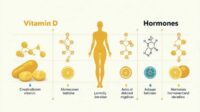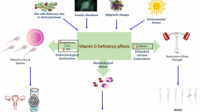
After menopause, the skeleton often becomes a quieter battleground. Bones that once repaired and remodelled with steady rhythm begin to yield—slowly at first, then with a stubborn persistence that can feel disorienting. In this landscape, vitamin D enters like a lantern in a dim corridor: not a miracle cure, not a sudden fix, but a guiding light that supports the machinery behind bone strength. Can it reverse bone loss? The answer is nuanced—equal parts physiology, timing, and strategy—and it deserves a story more textured than a headline.
Menopause and the “remodeling seesaw” of bone
Think of bone as a living architecture. It is never completely static. Instead, it constantly undergoes remodeling, where old bone is removed and new bone is formed. During earlier adulthood, the process usually behaves like a balanced seesaw. After menopause, estrogen levels decline, and the seesaw tilts. Bone resorption can outpace bone formation.
This shift is partly why postmenopausal women face increased risk of osteopenia and osteoporosis. Not everyone experiences the same trajectory. Genetics, diet, activity levels, sunlight exposure, smoking, alcohol intake, and existing vitamin D status all shape the outcome.
So, the first key question becomes less “Can vitamin D reverse bone loss?” and more: “Can vitamin D help restore the conditions that allow bone to rebuild?” When the body lacks the raw materials and regulatory signals needed for mineralization, even strong remodeling efforts can falter.
Vitamin D: the calcium “gatekeeper” and mineralization conductor
Vitamin D’s most famous role is supporting calcium absorption in the gut. But its influence is broader—vitamin D helps coordinate the molecular choreography that allows calcium and phosphate to be deposited into the bone matrix. Without adequate vitamin D, the body may absorb less calcium, and bones may receive fewer building blocks.
Here is the metaphor that often clarifies the debate: imagine bone as a cathedral under construction. Calcium is the mortar; vitamin D is the surveyor who ensures the supply lines and measurements work correctly. If the surveyor is absent, builders may still arrive, but the construction blueprint cannot be executed with precision.
When vitamin D status is low, correcting it can improve calcium balance and support healthier bone mineralization. This does not guarantee full “reversal” of lost bone in every individual, but it can shift the bone environment toward rebuilding.
What “reversal” really means: from density loss to structural momentum
The word reverse carries cinematic expectations. Bone loss after menopause is usually gradual and cumulative. In clinical terms, “improvement” might mean increased bone mineral density (BMD), reduced rate of decline, or improved markers of bone turnover. For many people, vitamin D—especially when deficient—can help slow deterioration, and in some cases modestly improve BMD.
However, if bone loss has advanced or if remodeling imbalance is strong, vitamin D alone may not be sufficient. Bones can respond like weathered wood: correcting a missing nutrient helps, but it cannot instantly rewrite years of stress.
The most realistic framing is: vitamin D can be a foundation for recovery, particularly early after deficiency is identified, and particularly when paired with other bone-supporting practices.
Vitamin D and calcium: the duet behind strength
Vitamin D rarely works alone. Calcium provides the mineral content that bones require. If vitamin D raises absorption but calcium intake remains inadequate, the body may still struggle to construct robust bone. Conversely, if calcium intake is sufficient but vitamin D is deficient, absorption efficiency collapses.
Picture two musicians: vitamin D sets the rhythm, calcium provides the melody. Together they create a harmony that supports mineral deposition. When either instrument is missing—or out of tune—performance suffers.
Many clinicians encourage a combined approach: vitamin D supplementation, dietary calcium emphasis, and individualized targets based on health status, lab values, and risk factors.
How to know whether vitamin D is likely to help you
Vitamin D’s unique appeal is partly its diagnostic relevance. Blood testing can reveal whether levels are suboptimal. When deficiency exists, supplementing can be more transformative—like repairing a leaking pipe before asking why the tank won’t fill.
Low vitamin D is associated with poorer bone mineralization and may correlate with faster bone loss. In contrast, if vitamin D levels are already adequate, the marginal benefit may shrink. That does not mean vitamin D is irrelevant—it means the potential “ceiling” of improvement is lower.
A careful evaluation also considers renal function, medication history (certain anticonvulsants, glucocorticoids), and lifestyle patterns that influence vitamin D metabolism, including limited sun exposure and low dietary intake.
Timing matters: early intervention vs. entrenched loss
Imagine two bookcases. In one, shelves are newly installed; you can adjust spacing and reinforce joints. In the other, books have been falling for years; the shelves sag and the frame has shifted. Vitamin D tends to be more effective in the first scenario, where support can influence ongoing remodeling.
In established osteoporosis, vitamin D may still contribute to overall bone health and reduce fracture risk when combined with other evidence-based treatments. But if the skeleton’s structural integrity has already been significantly compromised, vitamin D alone may not “reverse” the pattern.
Intervention in the window where bone is still responsive can alter the trajectory—less about reversing a completed job, more about changing the direction of the road.
What the evidence suggests: improvement is possible, but expectations should be precise
Studies commonly show that correcting vitamin D deficiency supports bone health and may modestly increase BMD, particularly at the hip or spine depending on the population. Yet, response varies widely. Some individuals experience more pronounced improvements, especially when they start from deficiency. Others maintain stability rather than gain density.
Importantly, fracture prevention is a separate outcome. Bone density is a proxy—valuable, but not the entire story. Bone quality includes microarchitecture, collagen integrity, and the brittleness of remodeled tissue. Vitamin D contributes to the environment, but fracture reduction often requires a multi-layered plan.
Therefore, vitamin D can be viewed as a “support system” for the bones’ internal construction crew: it helps them do their work efficiently, but it does not automatically dismiss the structural stresses menopause introduced.
Beyond supplements: sunlight, strength, and the mechanical stimulus
Vitamin D is influenced by sunlight exposure. While supplementation can correct deficits, sun is the body’s original manufacturer of vitamin D. Many people—especially those living in higher latitudes, or spending most time indoors—may need strategic supplementation.
But bones respond most dramatically to mechanical loading. Weight-bearing activity, resistance training, and balance work provide the signals that tell bone to adapt. Without movement, even well-managed nutrient status can feel like watering a plant that never receives proper light.
This is where the unique appeal becomes almost poetic: vitamin D may be the light, but exercise is the deliberate choreography that makes bone strengthen. Nutrition and movement together transform “maintenance” into “adaptation.”
Safety and personalization: avoid the trap of excess
Vitamin D is not a harmless ornament. Excess can lead to hypercalcemia and related complications. The goal is adequacy, not escalation. Dose decisions should be guided by lab results, dietary calcium, medical conditions, and risk profile.
Those with kidney disease, sarcoidosis, certain granulomatous disorders, or a history of calcium stones require extra caution. Even in healthier individuals, it’s wise to treat vitamin D like a tool with calibrated settings rather than a limitless resource.
Personalization is the difference between a helpful intervention and a risky habit.
When vitamin D is not enough: combining strategies for meaningful bone recovery
For people with osteoporosis or high fracture risk, vitamin D may be only one piece of the puzzle. Bone-building therapies—such as antiresorptives and anabolic agents—may be necessary to achieve clinically significant changes. The value of vitamin D then becomes supportive: optimizing mineralization, improving baseline health, and enhancing the effectiveness of broader treatment plans.
In this broader frame, vitamin D can be described as an enabling condition. It prepares the ground so that medications and lifestyle interventions can work with less friction.
A practical closing metaphor: rebuilding after the storm
Menopause can feel like a storm that passes, leaving the house altered. Vitamin D cannot turn time backward, but it can help repair the foundation that the storm exposed. If deficiency is present, replenishing vitamin D can strengthen the bone-making process and help slow further loss. With adequate calcium, consistent activity, and appropriate medical guidance, the skeleton may reclaim some stability.
So the most honest answer is this: vitamin D can often support reversal-like improvement—especially when started early, when deficiency is corrected, and when the plan includes mechanical loading and sufficient calcium. Bone loss may not always “flip” direction dramatically, but the trajectory can be nudged toward resilience.