Every year, flu season arrives like an uninvited guest—subtle at first, then unmistakable. For parents, the question isn’t only how to manage symptoms, but how to reduce the odds of infection in the first place. One nutrient often discussed in this conversation is vitamin D. It’s not merely a “bone vitamin.” It behaves more like a master regulator, quietly orchestrating immune signaling. When vitamin D levels dip, children may become more susceptible to respiratory viruses, and influenza outbreaks can seem to amplify the impact. Understanding the link between vitamin D and seasonal flu doesn’t mean treating vitamin D as a miracle cure. It means learning how a small biochemical lever can influence a complex immune response—especially during colder months.
Vitamin D: More Than Calcium for Kids
Vitamin D helps the body absorb calcium and supports skeletal health, yes—but its influence extends well beyond the skeleton. Immune cells such as T lymphocytes and macrophages possess vitamin D receptors, which allow this nutrient to modulate inflammatory pathways. In simpler terms, vitamin D helps fine-tune the “volume” of immune reactions. Too little can lead to a less coordinated defense, where the body either responds too weakly or escalates inflammation without efficient control.
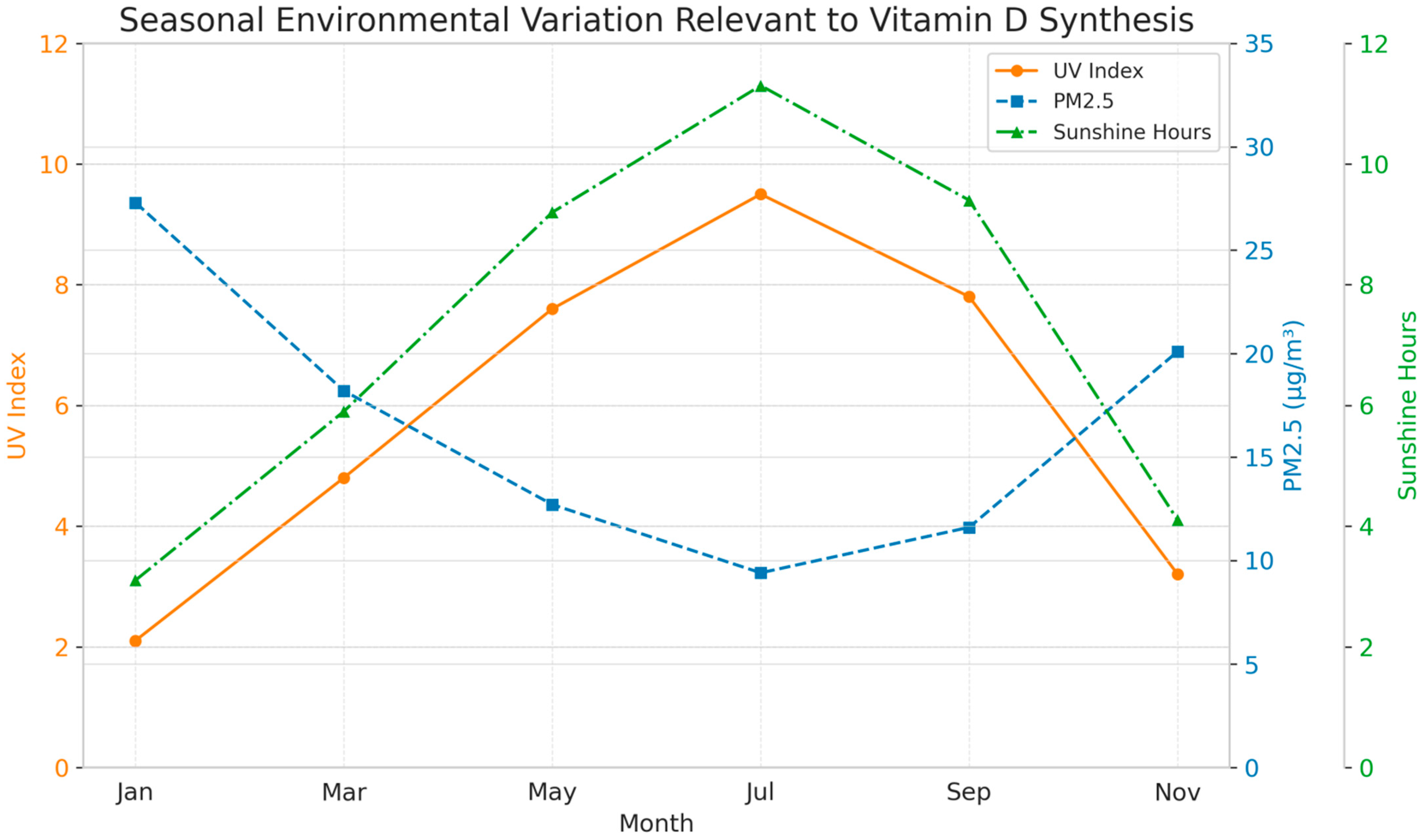
Children often experience lower sun exposure in autumn and winter, when daylight hours shrink and outdoor time decreases. Many families also use sunscreen more consistently during warmer seasons, which is wise for skin protection, yet can also reduce vitamin D synthesis. The outcome can be seasonal vitamin D insufficiency—an invisible background condition that may make flu season hit harder.

How Vitamin D May Influence Flu Susceptibility
Influenza doesn’t just invade tissue; it initiates a cascade of immune interactions. Vitamin D appears to influence several stages of this cascade. One mechanism involves antimicrobial peptides, such as cathelicidin, which can strengthen mucosal defenses. Another involves balancing cytokines—the chemical messengers that coordinate immune behavior. When vitamin D is adequate, these messages may become more orderly, helping the immune system respond with sharper timing.
During flu season, the respiratory tract becomes a frontline environment. Vitamin D supports the integrity of epithelial barriers and can promote a more effective innate immune response. Think of it as keeping the “front gate” guarded while also improving the “dispatch system” that calls in immune reinforcements.
It’s important to recognize nuance. Vitamin D doesn’t replace vaccination, hygiene, or medical care. Rather, it may act like a supportive cofactor—helping the immune system operate closer to its optimal settings.

The Seasonal Pattern: Sunlight, Immune Timing, and Flu Waves
Flu season often overlaps with the period when vitamin D production from sunlight is lowest. This coincidence can be more than a calendar coincidence; it may be a biochemical synchrony. In winter, children may spend less time in direct sunlight. Skin synthesis slows, dietary intake may be inconsistent, and blood levels can gradually drift downward.
What makes this linkage compelling is that immune responses are time-sensitive. The body needs readiness before exposure. If vitamin D levels are already low when the first flu cases surge, the immune system may enter the season with reduced tactical coordination.
That said, seasonal flu patterns are influenced by many factors—school crowding, indoor ventilation, viral evolution, and household transmission dynamics. Vitamin D is only one variable in a multifaceted system, but it’s a modifiable one.
Who Is at Higher Risk for Low Vitamin D?
Not every child starts the season with the same baseline. Some children have higher likelihood of deficiency due to limited sunlight exposure, darker skin pigmentation (which naturally reduces vitamin D synthesis efficiency), geographic latitude, or cultural clothing practices that reduce skin exposure. Dietary patterns matter too. If milk intake is limited, fortified foods are rare, or the child is a picky eater with few vitamin D sources, deficiency risk rises.
Children with higher body fat may also have lower circulating vitamin D availability, because vitamin D can become sequestered in adipose tissue. In addition, certain medical conditions and medications can affect vitamin D metabolism.
The practical takeaway is not to guess blindly. When appropriate, targeted testing—ordered by a clinician—can clarify whether supplementation is necessary and how much is reasonable.
Dietary Pathways: Getting Vitamin D Before Symptoms Appear
Food can contribute, though it may be insufficient on its own during winter. Vitamin D is naturally present in fatty fish such as salmon, sardines, and mackerel. Egg yolks may provide small amounts, and some mushrooms can contain vitamin D depending on their exposure to ultraviolet light. Yet for many families, these options aren’t consistent.
Fortified foods help bridge the gap: fortified milk, fortified yogurt, and fortified plant-based beverages can provide measurable vitamin D. Some cereals and spreads are also fortified. The strongest strategy tends to be variety—combining fortified foods with realistic dietary preferences.
Short sentences help here because the reality is simple: vitamin D is easier to build before flu season than to restore during illness. A steady intake supports immune readiness.
Supplementation: How Parents Can Think About Dosage and Safety
Supplementation is often the bridge between “possible” and “consistent.” Many children may require vitamin D supplements during low-sun months. But dosing should be age-appropriate and guided by clinical advice, especially for younger children.
Vitamin D is fat-soluble. That means it can accumulate if taken in excess. Symptoms of excessive intake can include nausea, constipation, poor appetite, and in severe cases, more serious complications driven by calcium imbalance. Because of this, the goal is not maximal dosing. The goal is sufficiency.
A clinician may recommend a specific dose based on age, baseline level, dietary intake, and risk factors. For parents, reading the label carefully matters—drops, gummies, and tablets can vary in concentration. Consistency in measurement and adherence to the prescribed regimen can be more important than the “brand” itself.
Beyond Vitamin D: The Immune-Support Ecosystem
Vitamin D works in the company of other immune factors. Adequate sleep, balanced nutrition, hydration, and regular physical activity influence immune function. Micronutrients such as zinc, vitamin C, iron, and folate also contribute to immune competence. Gut health—shaped by fiber intake and microbial diversity—may further affect how resilient a child’s immune system becomes.
Some families focus narrowly on one nutrient. But immune protection is not a single-switch process. It’s a network. Vitamin D may be a beneficial thread in that fabric, but it cannot substitute for core prevention.
Vaccination remains pivotal. Hand hygiene, cough etiquette, and improving indoor ventilation during outbreaks also reduce transmission. When vitamin D supports immune signaling, it pairs best with these proven practices.
What Content Readers Should Expect: Evidence, Practical Tools, and Real-Life Scenarios
A helpful article about vitamin D and flu isn’t only about biology. It also turns complexity into usable decisions. Readers typically benefit from: clear explanations of mechanisms, descriptions of who is most likely to be deficient, guidance on diet and supplementation, and a realistic view of limitations. Equally valuable are “day-to-day” scenarios—what to do when a child rarely plays outdoors, how to incorporate fortified foods into picky-eater routines, and how to discuss supplementation with a pediatric clinician.
Expect a balanced tone: vitamin D can matter, but it is not an on-demand shield that stops influenza instantly. Instead, it may contribute to baseline immune readiness. The most actionable content usually includes checklist-style prevention habits, food ideas, and questions to ask during medical visits. Some long-form explanations may compare innate and adaptive immunity, while shorter sections may summarize key takeaways in parent-friendly language.
In other words, the best guidance respects both science and family reality.
When to Seek Medical Advice During Flu Season
Even with strong preventive habits, flu can still occur. Parents should know when to escalate. Seek medical advice promptly if a child has difficulty breathing, persistent high fever, signs of dehydration (such as fewer wet diapers or dark urine), unusual lethargy, or worsening symptoms after initial improvement. For infants and young children, caution should be higher because clinical deterioration can occur quickly.
Medical care may include antiviral treatment in appropriate cases, which works best when started early. Vitamin D sufficiency can support overall immune readiness, but it doesn’t replace prompt assessment when symptoms demand action.
A Season of Prevention, Not Panic
Flu season can feel unpredictable, yet there are choices that make children more resilient. Vitamin D sits at a fascinating intersection of sunlight biology, immune modulation, and seasonal risk. Adequate levels may help the immune system respond more effectively to respiratory threats. Meanwhile, diet, safe supplementation practices, vaccination, and infection control measures create a stronger safety net together.
Ultimately, the most powerful approach is preventive and steady—like preparing a house for winter before the first storm arrives. When vitamin D and healthy routines align, families can trade some anxiety for preparedness, one thoughtful step at a time.