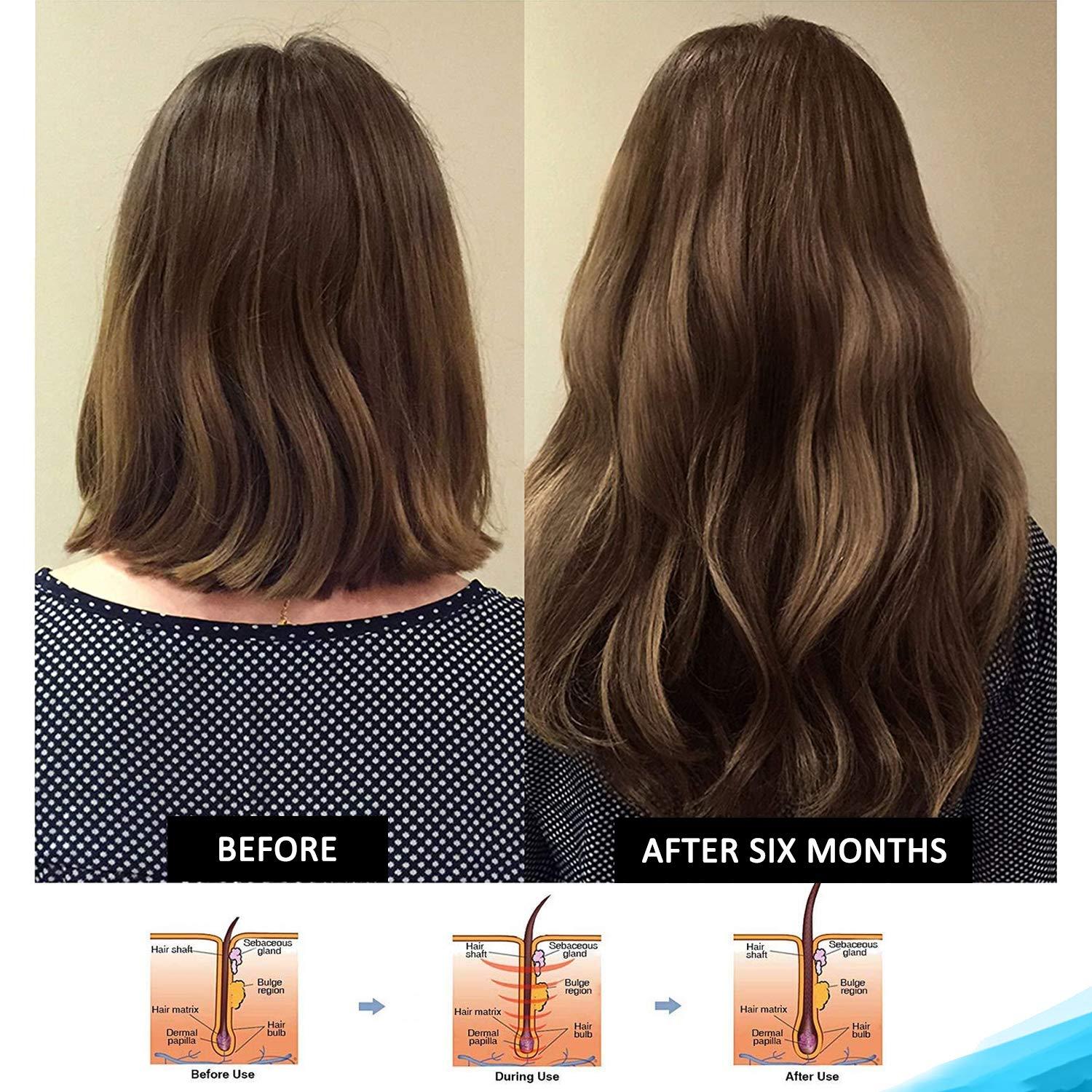
Hair loss can feel like a quiet erosion—like tidewater retreating from a shoreline you once assumed would always remain. When the shed becomes persistent, the mind begins to bargain with biology: “Is it vitamins? Is it biotin? Is it vitamin D?” Two names rise from the crowd—vitamin D and biotin—yet they play very different roles in the hair ecosystem. One is often the backstage conductor, tuning the immune and growth environment. The other is a culinary artisan, supporting keratin construction. So which is more important? The answer is not a single winner—it’s a hierarchy shaped by your body’s chemistry and your hair’s current storyline.
Two Vitamins, Two Different Jobs
Think of hair as a living tapestry. Every strand depends on supply lines: nutrients, signaling molecules, and cellular instruction. Biotin—commonly described as vitamin B7—acts like a craftsperson assisting the weaving process. It participates in enzyme pathways that support macronutrient metabolism, and it’s often associated with keratin synthesis, the structural protein that helps hair remain resilient.
Vitamin D behaves more like a stage light. It doesn’t just “feed” growth—it helps regulate genes involved in hair follicle cycling and modulates immune responses. Hair follicles can be sensitive to inflammatory shifts, and vitamin D is deeply involved in that regulatory conversation.
So the conflict is slightly misleading. Biotin is often framed as a direct building ingredient, while vitamin D is more likely to influence whether follicles enter the growth phase with the right permissions.
How Hair Loss Actually Happens: The Follicle Cycle Perspective
Hair follicles cycle through phases: growth (anagen), transition (catagen), and resting/shedding (telogen). When something disrupts signaling—hormones, stress physiology, nutrient insufficiency, or immune imbalance—the cycle can tilt toward more shedding.
Vitamin D’s role in cellular signaling and immune modulation may help explain why deficiency has been linked in some individuals to hair shedding patterns. Biotin, by contrast, is more frequently relevant when there is a deficiency of B7 or insufficient substrate to support normal hair structure.
In other words: vitamin D can influence the “tempo” of the cycle. Biotin is more about the “material quality” of what the body builds during that tempo.
Vitamin D: The Backstage Conductor of Growth Signals
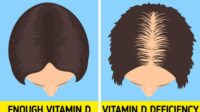
Vitamin D receptors appear in many tissues, including those involved in hair follicle function. When levels are low, follicles may receive distorted messaging—like a metronome losing its rhythm. Vitamin D also connects to immune regulation, which matters because inflammation can act like a noisy crowd that disrupts the quiet choreography of growth.
Deficiency is common in many climates and lifestyles, especially where sun exposure is limited. If your hair loss coincides with fatigue, low mood, generalized body aches, or frequent seasonal downturns, vitamin D status becomes an especially compelling suspect.
Consider vitamin D the gardener’s mood ring: even if the soil (your nutrients) is fine, the gardener’s timing affects when seeds attempt to sprout. When vitamin D is adequate, follicles may be more capable of returning to the growth phase.
Biotin: The Keratin Builder and Structural Support
Biotin is famous for hair and nail support, and there’s a reason that reputation spreads. Hair strands are largely composed of keratin, and keratin production relies on metabolic pathways biotin helps power. When biotin is deficient—less common than vitamin D deficiency for many people—hair can become thinner, brittle, or more prone to shedding.
Biotin deficiency can occur due to dietary insufficiency, malabsorption issues, certain medications, or prolonged metabolic stress. In those scenarios, supplementation can sometimes feel like turning a key in an ignition that previously wouldn’t catch.
Yet here’s the nuance: if biotin stores are already adequate, adding more may not dramatically change the hair’s trajectory. It’s like repainting a house that already has a fresh coat—unless something is missing underneath.

Which Is More Important? A Practical Hierarchy
If you’re deciding what matters first, start with probability and causality. Vitamin D deficiency is often more prevalent, and it affects signaling and immune balance—two forces that can reshape follicle behavior broadly. Biotin deficiency is less common, and its influence tends to be more direct when stores are truly low.
So a sensible hierarchy frequently looks like this:
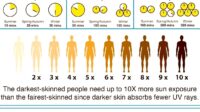
1) Check vitamin D status if you suspect deficiency or have risk factors (limited sun exposure, darker skin pigmentation, higher latitude, certain health conditions, or low dietary intake).
2) Consider biotin support if your diet is inconsistent, you’ve had malabsorption concerns, you’re seeing nail changes, or you have a history suggesting B-vitamin insufficiency.
3) Treat the “root storyline,” not just the headline. Thyroid issues, iron deficiency, androgen-related patterns, scalp inflammation, and chronic stress can all rewrite the hair-loss narrative.
Symptoms That Hint at Vitamin D vs Biotin Issues
Hair loss rarely travels alone. It often arrives with other clues—like footnotes to a medical essay.
Possible vitamin D-related hints: general aches, low energy, susceptibility to illness, mood shifts, or known deficiency in labs.
Possible biotin-related hints: brittle nails, dermatitis-like skin changes, or dietary patterns that may make deficiency more plausible.
Still, these are not diagnoses. Hair loss is often multifactorial. The scalp might be reacting to inflammation, genetics, hormonal signals, or nutritional gaps—all at once.
Testing and Timing: Let Evidence Lead
The most elegant approach is also the most humble: test, then tailor. Vitamin D can be measured with a blood test (commonly 25-hydroxyvitamin D). Biotin status isn’t always straightforward to test in routine care, and clinical suspicion often drives decision-making.
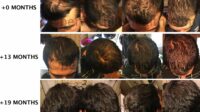
Timing matters too. Hair grows slowly, so you may not see meaningful changes for months. This is why consistency is crucial—think of it like cultivating a greenhouse rather than planting a single day’s seeds.
What About “Hair Loss Supplements” with Multiple Ingredients?
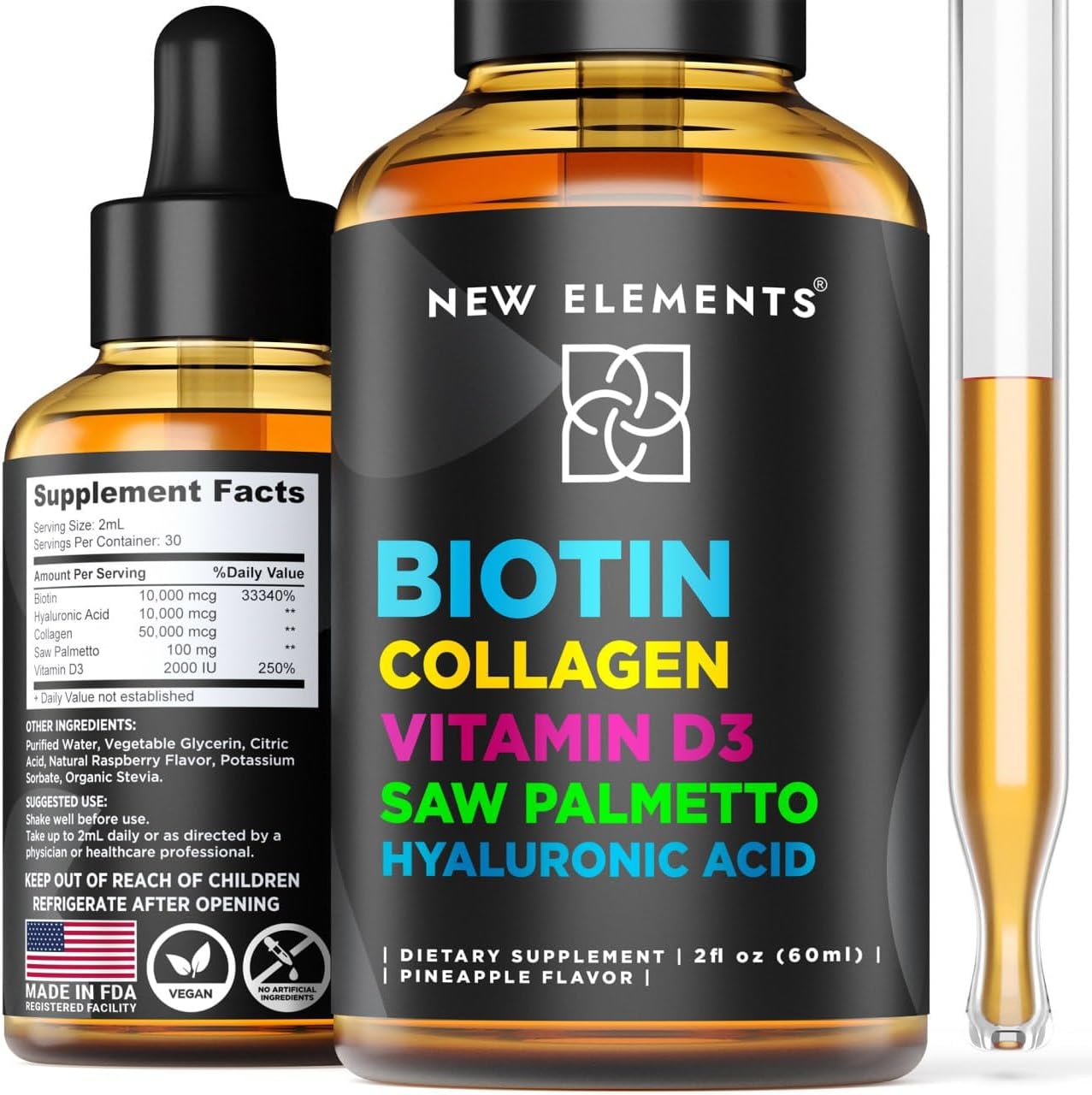
Many supplements combine biotin with other compounds—collagen, vitamin D3, saw palmetto, zinc, or herbal blends. These formulas can be appealing because they offer a “bundle” solution, like a toolkit instead of a single wrench.
However, more ingredients does not always mean more effectiveness. Different components may target different mechanisms. The smartest strategy is to identify which mechanism you’re missing and whether the dose and ingredient choices align with that goal.
If your main concern is vitamin D deficiency, a product emphasizing D3 may be more relevant. If your diet suggests biotin insufficiency, a biotin-forward approach might feel more targeted. But if the issue is iron deficiency, telogen effluvium from stress, or androgenetic alopecia, supplements alone may not be the decisive lever.
Safety, Interactions, and the “More Isn’t Always Better” Rule
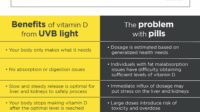
Vitamin D is fat-soluble, meaning excess can accumulate. That’s why testing is so valuable. Biotin is water-soluble, but high doses can still interfere with certain lab assays—an unexpected side effect that can confuse medical interpretation.
Ask a clinician about what to watch for, especially if you’re pregnant, have kidney disease, take anticoagulants, or use medications that affect vitamin metabolism. Supplements should behave like supporting cast, not like reckless plot twists.
The Metaphor That Ties It Together: Light vs Thread
Imagine your hair as a loom. Vitamin D is the light that helps the loom operate under the right conditions. Biotin is one of the threads that strengthens the fabric. If the loom has no light, it won’t run smoothly. If the thread is weak, the cloth frays faster.
So the most accurate answer to “which is more important” is this: vitamin D often determines whether growth conditions are favorable, while biotin supports structural quality when deficiency is present. When both are adequate—and when other causes are addressed—your hair has a better chance to reclaim its rhythm and density.
Conclusion: Choose with Precision, Not Panic
Hair loss deserves attention, not guesswork. Vitamin D and biotin can both be relevant, but they’re not interchangeable. Vitamin D frequently carries wider influence over follicle cycling and immune balance, while biotin tends to matter most when you’re lacking the substrates for normal keratin-related processes.
If you’re unsure where to begin, prioritize evidence: assess vitamin D status, consider dietary patterns, watch for accompanying symptoms, and remember that hair loss is rarely a single-ingredient problem. With the right lens—light first, thread second—you can move from frantic searching to a clearer, more effective plan.