Ever watched a child do the “sunshine detective” routine—running to the window, squinting at the daylight like it’s a treasure map? It’s charming. And yet, beneath the giggles and sock-footed sprinting, there’s a quieter puzzle: vitamin D. Many families prefer plant-based routines, which raises a practical question—how do you deliver reliable vegan vitamin D to kids in a way they’ll actually take? Gummies are popular, drops are flexible, and the right choice depends on more than flavor alone. So, here’s the twist: what if your child loves sweets… but dislikes anything “medicine-like”? Let’s solve that challenge with clarity, care, and a little creativity.
Why Vitamin D Matters for Growing Bodies
Vitamin D is a backstage hero for kids. It supports bone development and helps the body manage calcium, which is essential for strengthening the skeleton as children grow. It also plays a role in immune function—one reason parents become extra attentive during winter, rainy seasons, or when outdoor time is limited.
But here’s where the potential challenge shows up: vitamin D exposure varies dramatically. Geography, school schedules, sunscreen habits, cloud cover, and lifestyle all influence how much natural vitamin D a child may receive. Supplements can help fill the gap, especially when sun exposure is inconsistent.
For families choosing vegan options, the goal is simple: find a product that delivers vitamin D in a form suitable for plant-based diets, with dosing that fits childhood needs.
Vegan Vitamin D: What “Plant-Based” Should Mean
Not every “vitamin D” product is automatically vegan. The term vegan should align with ingredient choices that avoid animal-derived components. With vitamin D, the key is the vitamin D source used in the formulation. Many vegan-friendly products rely on plant or fungal-derived pathways rather than animal sources.
In plain terms: when you’re shopping, look for transparency. A vegan label is helpful, but ingredient scrutiny is better. Pay attention to whether the product clearly states it’s vegan and whether it uses a plant-based vitamin D source. This is especially important for parents who want a clean, values-aligned supplement—without compromising on efficacy.
And yes, taste and texture matter too. Even the most responsibly sourced gummy won’t help much if it gets pushed aside during snack time.
Gummies vs. Drops: The Daily Routine Decision
Choosing between vegan vitamin D gummies and vegan vitamin D drops can feel like deciding between two different play styles. Gummies are like tiny candy-sized characters—easy to hand over, simple to remember. Drops are more like customizable tools. They can be measured precisely and adjusted depending on age or dosing needs.
Gummies often appeal to children because they resemble treats. Many kids view them as part of a daily ritual, which reduces “standoff negotiations.” They also come in predictable servings, which helps consistency.
Drops can be ideal if your child is picky about chewy textures or if you want to mix the dose into a small amount of food or drink. Drops can also be helpful when you need to fine-tune the dosage. The only “gotcha” is that some kids dislike the droplet feel or the taste sensation, even if it’s pleasant.
So the real decision isn’t only nutrition. It’s behavior, memory, and the likelihood that your child will cooperate.
Best Vegan Vitamin D Gummies for Kids: What to Look For
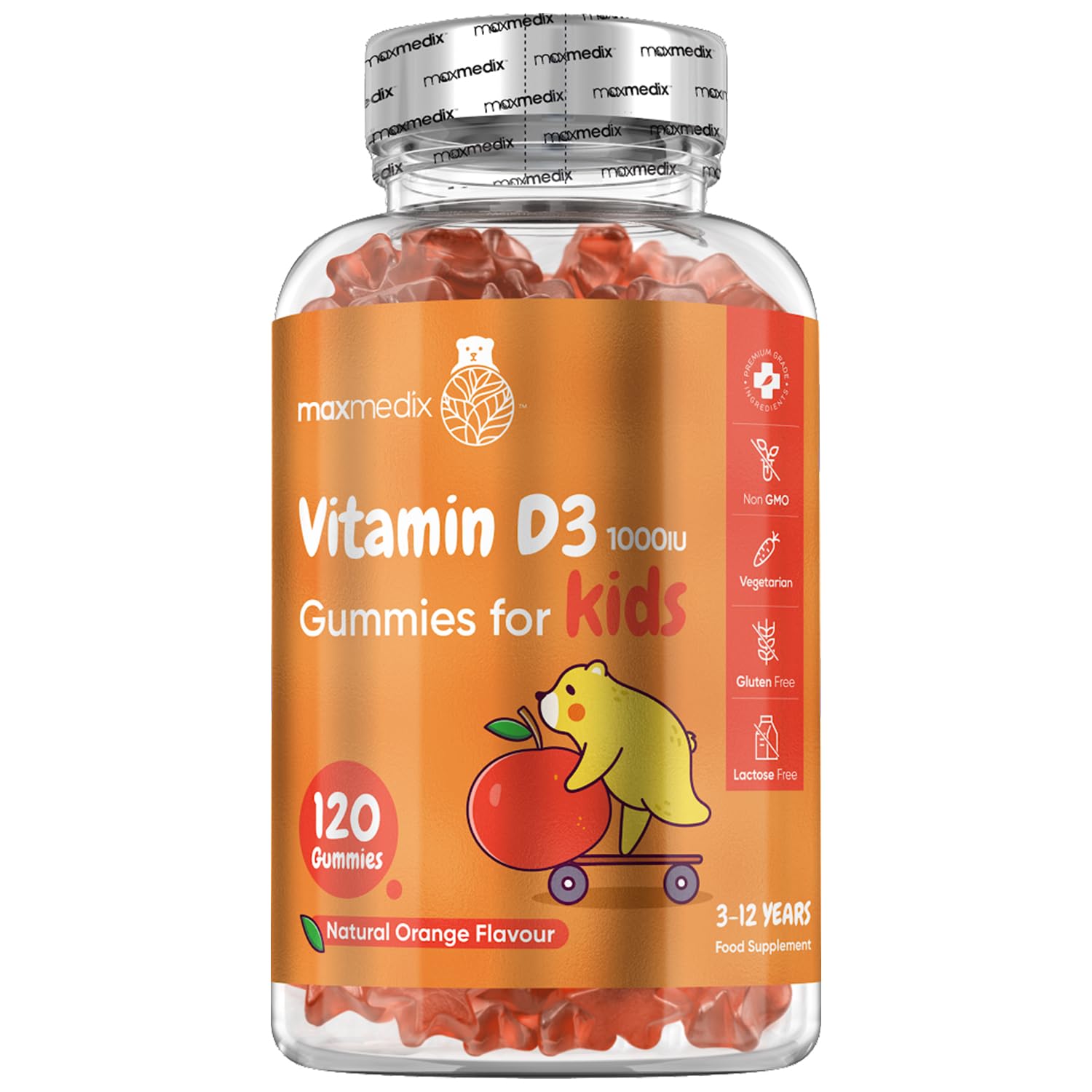
When shopping for kids’ vegan vitamin D gummies, focus on details that affect both safety and success. Start with the dose per gummy. Products commonly list strengths such as 1000 IU for daily use (often designed for children in a specific age group or for particular dosing instructions). If a gummy’s vitamin D amount is clear, you can dose confidently.
Next, consider the flavor and texture. Orange is a common crowd-pleaser. A bright citrus profile can disguise the supplement vibe and make the gummy feel like a snack, not a chore. Natural flavoring claims are worth checking, especially if your child has taste sensitivities.
Also scan the ingredient panel for allergens and for additives you prefer to avoid. Many vegan gummies are formulated without animal-derived ingredients, but they may contain sweeteners, colors, or other components that parents may want to consider.
Finally, consider how many gummies per day are required. If the regimen is too complicated, compliance often fades. The best gummy is the one that fits your real-life routine.
Organic and Vegan-Friendly Options: Why It Can Matter
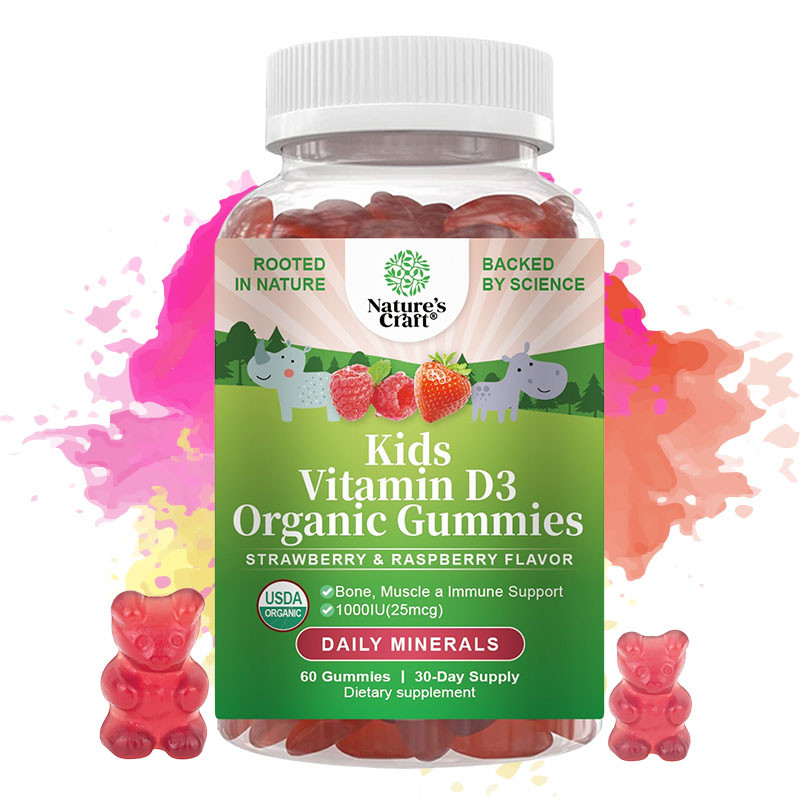
Some families go beyond vegan requirements and also prioritize organic sourcing. Organic labeling often signals a preference for agricultural practices and quality standards. Whether or not you choose that path, it’s helpful to understand what “organic” communicates: careful cultivation, specific regulatory frameworks, and often a focus on ingredient integrity.
In the realm of kids supplements, parents often care about more than vitamin D alone—they look at the whole product experience. That includes taste, ingredient simplicity, and how the child reacts to it day after day.
If an “organic vegan kids immunity” style gummy appeals to your household, treat it as a whole package. Check the vitamin D amount per serving, then confirm it aligns with the dosing plan your child needs.

Multivitamin Gummies vs. Dedicated Vitamin D: Keeping It Focused
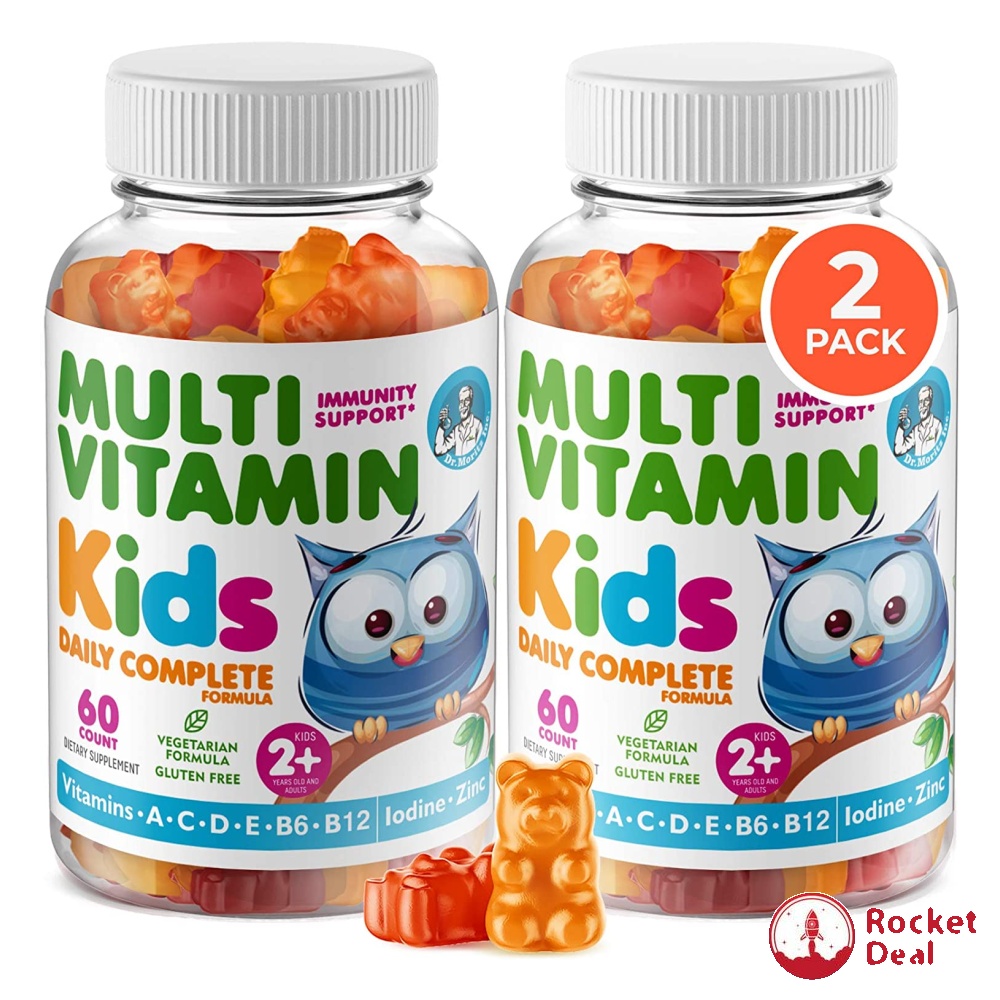
Some gummies combine multiple nutrients—vitamin D plus vitamins from the broader “multivitamin” universe. A kids multivitamin gummy can be convenient, like stacking several puzzle pieces into one box. But the convenience comes with a strategic question: is vitamin D the primary goal, or just one part of the plan?
If you already provide a diet-rich supplement approach or use another multivitamin product, adding a second one may inadvertently increase certain nutrients. On the other hand, if you want a one-stop daily supplement and you confirm the vitamin D level is appropriate, multivitamins can be a pragmatic choice.
When choosing, compare the vitamin D amount to what your child needs and how other supplements are already covering nutrition. It’s not paranoia—it’s orchestration.
Drops for Vegan Vitamin D: Precision Without the Fuss
Vegan vitamin D drops can be a clever workaround when gummies become a negotiation battleground. Drops offer flexibility: you can measure small doses accurately, and you can often incorporate them into a routine your child already accepts—morning milk, yogurt, or a spoonful of something flavorful.
Consider consistency. Dosing drops becomes easier when the placement is predictable. If you can attach the drop to an existing ritual—brushing teeth, breakfast, or after-school snack—your child is more likely to comply.
Also, pay attention to the dropper calibration. A well-labeled drop product makes accurate dosing more attainable, especially if you’re juggling age-based requirements.
If taste is the issue, try pairing with a strong-flavored food. A tiny sweetness or a fruit-forward base can reduce the “medicinal” aftertaste feeling that some kids describe.
How to Choose the Right Strength and Serving Plan
One of the most important steps is aligning the product strength with your child’s needs. Vitamin D dosing can vary by age, sun exposure, dietary intake, and medical guidance. It’s not one-size-fits-all, even when products look similar on shelves.
Start by checking the IU per serving on the label. Then decide whether your child is taking it daily or according to a specialized schedule. Many gummy products are formulated to support straightforward daily dosing, while some drops offer tailored measurement.
Finally, keep a “dosage diary” for the first week. It might sound oddly meticulous, but it helps prevent missed days and dosing confusion. Children thrive on routine; parents do too.
Safety Considerations: Avoiding Common Parent Pitfalls
Vitamin D is fat-soluble, which means excess can accumulate if dosing is too high. That’s why label reading isn’t optional—it’s a safety tool. Don’t double up accidentally by combining multiple supplements that both include vitamin D.
Also consider sugar content in gummies. Kids may love the flavor, but it’s wise to choose products that fit your broader nutrition preferences. Look for ingredient clarity, and watch for any personal dietary needs or allergies.
If your child has a complex medical situation or is already using vitamin D under a clinician’s plan, coordination matters. Supplements should complement guidance, not compete with it.
Making It Work: Getting Kids to Actually Take It
Here comes the most real-world part: compliance. A vitamin D supplement can be nutritionally solid and still fail if the day turns into a standoff. Try turning it into a game. Let your child pick the order: “Gummy first or story first?” Keep it upbeat. Remove power struggles.
If you use gummies, associate them with something positive. If you use drops, use consistency and discretion. Serve it the same way each time. Present it as part of the morning lineup, not as a dramatic event.
And remember the playful question from the start: what if your child dislikes anything “medicine-like”? The answer is to redesign the experience, not to surrender. With the right vegan gummy or drop, vitamin D can become a tiny, daily win—one that supports bones, immune resilience, and a calmer parent routine.
In short: choose a clearly vegan vitamin D source, match the strength to the intended dosing plan, and prioritize the format your child will accept. Then let your routine do the heavy lifting.