It often begins with a small, almost dismissible worry: a child who seems extra tired, a toddler who won’t settle, or a school-age kid who feels “off” more days than not. Parents notice the subtleties long before lab results appear. They may call it fussiness, clumsiness, or “just a phase.” Yet vitamin D deficiency can hide in plain sight—quietly shaping bone health, mood, immunity, and growth. And for many families, the fascination isn’t dramatic at first; it’s the strange, persistent pattern of symptoms that feels oddly connected to everyday life.
Why Vitamin D Matters More Than Most Parents Realize
Vitamin D is often described as a vitamin, but it behaves more like a master key. It helps the body absorb calcium and supports normal bone mineralization. Without it, bones can become softer than they should be—sometimes leading to rickets, delayed growth, or bone pain that a child can’t always clearly explain.
Vitamin D also participates in immune regulation. That means deficiency may correlate with a higher tendency toward infections, slow recovery, or unusual inflammatory responses. Some parents notice their children seem more vulnerable during seasonal transitions. Others observe a cycle: winter months arrive, the indoor time increases, and their child’s energy and resilience quietly dip.
There’s a deeper intrigue here—our bodies are built to respond to sunlight, but modern routines can interrupt that design.
The Common Observations: Signs That Deserve Parent Attention
Many signs of vitamin D deficiency overlap with everyday childhood issues. That overlap can be frustrating. A parent might think, “Is this normal toddler chaos?” or “Could it just be a busy season?” Still, certain patterns tend to recur.
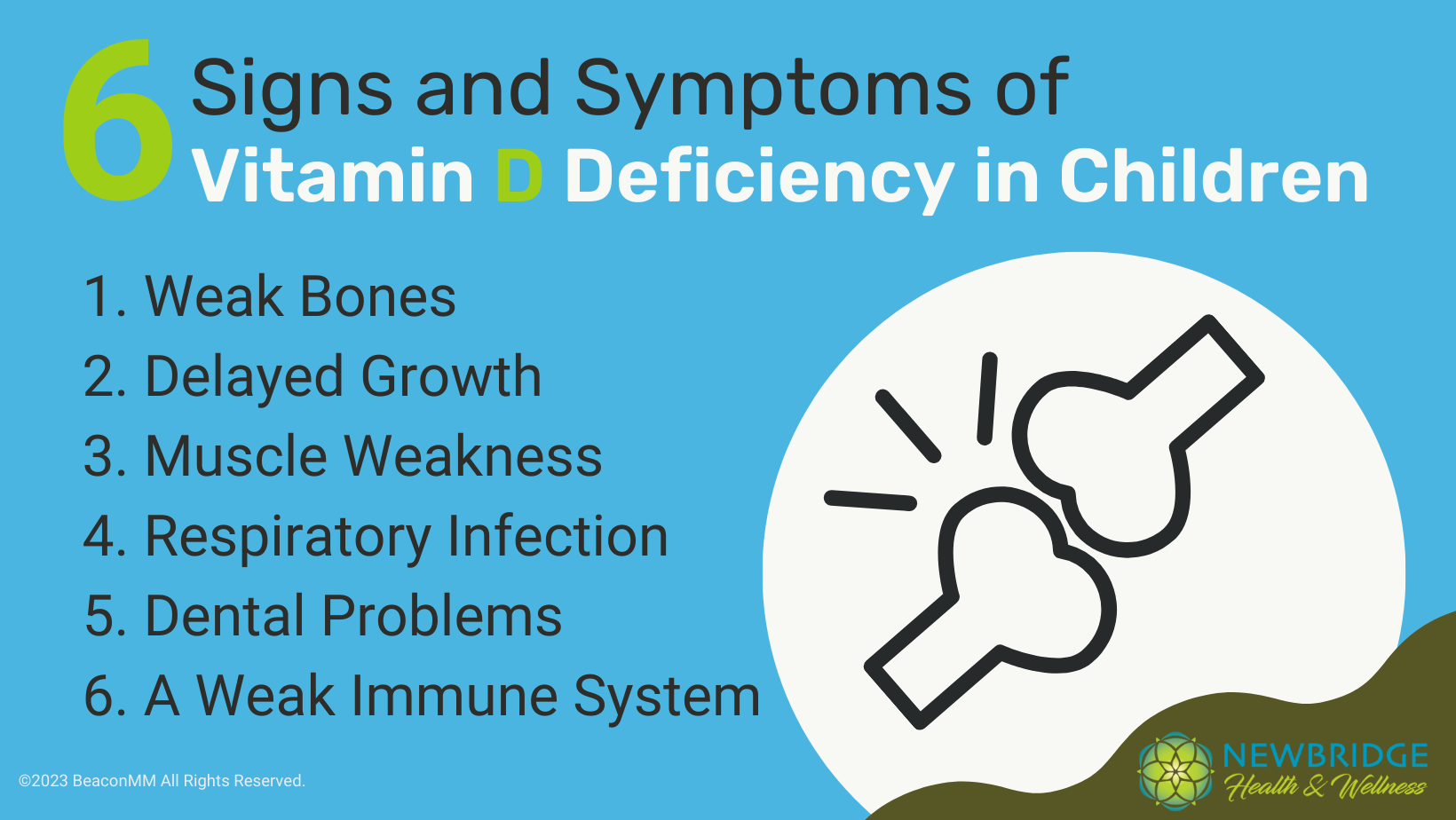
1) Delayed growth or short stature concerns. If a child’s growth trajectory lags behind expectations, vitamin D deficiency can be part of the puzzle.
2) Bone pain and tenderness. Some children complain of aches, especially in the legs, back, or ribs. Others show it indirectly—refusing to run, avoiding stairs, or seeming reluctant to be touched near bony areas.
3) Muscle weakness or reduced stamina. A child may look less coordinated, struggle with physical play, or have difficulty standing up from the floor.
4) Developmental delays in motor skills. Delayed crawling, sitting, or walking milestones can occasionally connect to poor bone and muscle support.
5) Frequent infections. Not every sniffle is vitamin D-related, but recurring respiratory issues can raise the index of suspicion.
6) Changes in mood or irritability. Energy swings, unusual crankiness, and restlessness may accompany deficiency, though these symptoms can be multifactorial.
7) Dental concerns. Delayed tooth eruption or tooth enamel issues can sometimes appear when mineralization is affected.
Rickets: When a Small Deficiency Becomes a Visible Concern
Rickets is the most recognizable consequence of severe vitamin D deficiency. It can present with bone deformities, such as bowing of the legs, widening at the wrists or ankles, and delayed closure of growth-related milestones. In more subtle cases, the first signs may be discomfort rather than dramatic physical changes.
What’s compelling—and alarming—is that rickets is not purely historical. It can still occur, especially when risk factors stack up. Some families encounter it after a period of indoor living, darker skin pigmentation, limited dietary intake, or inadequate supplementation. Other families discover it after repeated bloodwork reveals a pattern that has been building quietly.
Children deserve quick attention, because early correction can prevent lasting skeletal impact. Bone tissue is remarkably responsive when the right support arrives in time.
Who Is at Higher Risk? The Hidden Clues Behind the Deficiency
Not every child gets the same chances to build vitamin D. Deficiency risk can rise with several converging factors.
Skin pigmentation and sun exposure: Darker skin generally produces vitamin D less efficiently under the same sun conditions. If a child’s skin is also rarely exposed—because of sunscreen habits, clothing coverage, or indoor routines—deficiency becomes more plausible.
Geography and season: Latitudes farther from the equator, short winter days, and limited outdoor time can reduce natural vitamin D synthesis.
Dietary patterns: Children who rarely consume fortified milk or yogurt, limited fatty fish, or have selective eating behaviors may fall short.
Breastfeeding without supplementation: Breast milk can be healthy and nourishing, but it may not provide sufficient vitamin D unless supplementation is used as recommended.
Body absorption issues: Certain gastrointestinal conditions can impair nutrient absorption. If there’s chronic diarrhea, persistent stomach discomfort, or known malabsorption disorders, vitamin D levels require closer scrutiny.
Obesity: Vitamin D can become sequestered in body fat, reducing availability in circulation for some children.
These risk factors help explain why the same environment can create different outcomes across households. It’s less “random biology” and more a chain reaction—sunlight, diet, growth demands, and absorption all contributing to the final picture.
How Deficiency Is Confirmed: The Role of Testing
Parents often wonder whether they should treat symptoms directly or insist on laboratory confirmation. In reality, the safest approach usually involves both observation and appropriate testing.
Clinicians commonly evaluate blood levels—especially 25-hydroxyvitamin D, the marker most reflective of vitamin D status. They may also check calcium and phosphorus. In some cases, markers of bone turnover or alkaline phosphatase are included, particularly if symptoms suggest bone involvement.
Testing does more than “prove” deficiency. It prevents overtreatment and supports tailored dosing. Because vitamin D is fat-soluble, excessive supplementation can be harmful. Thoughtful medicine isn’t just about giving—it’s about giving the right amount, at the right time.
Natural Support: Sunlight, Food, and Smart Routines
Natural strategies can be helpful, though they’re best viewed as supportive rather than a substitute for medical guidance when deficiency is significant.
Sunlight: Brief outdoor exposure can support vitamin D synthesis. However, factors like skin tone, cloud cover, season, and sunscreen use change the equation. Many families choose structured outdoor time in the late morning or early afternoon, balancing safety with exposure goals.
Diet: Fortified dairy products and fortified alternatives (when fortified appropriately) can be reliable. Fatty fish—like salmon or sardines—offers vitamin D along with beneficial fats. Egg yolks can contribute modestly. For picky eaters, the “win” is consistency: small, repeated exposures often work better than occasional larger attempts.
Behavioral choreography: A child’s routine matters. If the day is built around screens and indoor activities, vitamin D synthesis has fewer opportunities. Replacing even one sedentary afternoon with a walk can create momentum. The goal is not perfection. It’s patterning—gently reshaping a week.

Supplementation: What Parents Should Know Before Starting
When levels are low or risk is substantial, supplementation may be the most efficient path. Dosage should be guided by a clinician, especially for infants, children with medical conditions, or those who already take multivitamins.
Parents may notice that some children improve quickly—more energy, fewer complaints of aches, and better tolerance for activity. Still, improvement isn’t a reason to stop early without guidance. Bone re-mineralization can take time, and lab rechecks may be recommended to ensure the plan is truly working.
There’s also a subtle nuance: vitamin D works closely with calcium. If dietary calcium is inadequate, vitamin D alone may not fully support the intended outcome. That’s why care plans often consider both nutrients together.
When to Seek Care Sooner Rather Than Later
Consider contacting a healthcare professional promptly if a child has persistent bone pain, frequent fractures, significant weakness, noticeable gait changes, or delayed growth concerns. If symptoms cluster during winter, appear alongside low dietary intake, or occur in a child with higher-risk factors, the urgency increases.
Parents don’t need to diagnose. They need to listen—to patterns. If several signs appear at once, or if a child’s activity level suddenly declines, it’s reasonable to ask for evaluation.
Prevention That Still Feels Realistic for Busy Families
The best prevention strategy fits the family’s actual life. It might include: fortified foods that the child reliably eats, a consistent outdoor routine when weather allows, and supplementation aligned to clinical recommendations for infants and higher-risk children.
Think of vitamin D prevention as a gentle scaffold. Not dramatic. Not complicated. Just dependable—like routines that help sleep, hydration, and nutrition. Over time, that dependability can transform uncertainty into steadiness.
Closing Thoughts: Turning Worry Into Direction
Vitamin D deficiency in children can start as a quiet mystery and evolve into a clear plan when parents recognize the signs early. The fascination isn’t merely that a nutrient can influence so many systems. It’s that symptoms often begin with everyday observations—fatigue, discomfort, unusual irritability—and then connect to a deeper biological story.
When a parent’s noticing becomes a conversation with a clinician, the path forward becomes brighter. The child benefits from timely correction, and the family gains something just as valuable: confidence grounded in action.