In the Pacific Northwest, where rain is a familiar refrain and winters feel endlessly prolonged, vitamin D can become an uninvited subplot to everyday life. Many people assume deficiency is simply a matter of “not getting outside enough.” Yet the story is more intriguing—and more human—than that. Vitamin D is not only a nutrient; it’s a weathered messenger between sun, skin, metabolism, and immunity. When it’s low, the body may respond with quiet hints: fatigue that lingers, aches that won’t fully explain themselves, and moods that feel subtly dimmer than usual.
Why vitamin D becomes a regional “character” in the Pacific Northwest
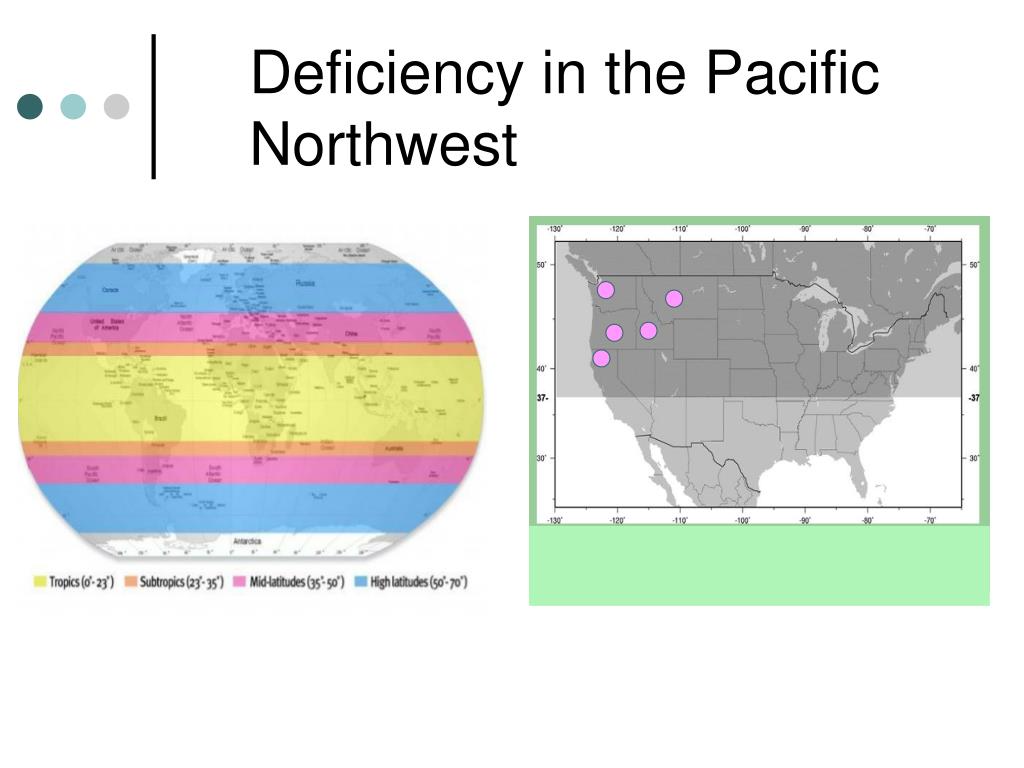
It’s easy to notice the obvious. Cloud cover is frequent. Daylight hours shrink in winter. Outdoor routines often become shorter, insulated by umbrellas, windbreakers, and an almost ritualized commitment to indoor life. But a deeper observation reveals why this region can be unusually susceptible: ultraviolet B (UVB) radiation—the specific band that enables skin to synthesize vitamin D—doesn’t behave like a constant. In higher latitudes, even sunny days may not deliver enough UVB during certain seasons. So the human habit of seeking daylight doesn’t automatically translate into adequate vitamin D production.
There’s also the matter of clothing and skin exposure. People in the Pacific Northwest often dress for weather protection rather than sun exposure. That’s sensible. However, “sensible” can still mean fewer skin cells doing the biochemical work of conversion. The result is a slow drift downward over months, long before anyone thinks to measure it.

What vitamin D actually does beyond bone health
Yes, vitamin D supports calcium absorption and skeletal integrity. But it also functions more like a conductor than a single-instrument performer. It influences muscle function, cell differentiation, and immune signaling. When vitamin D is insufficient, muscles can feel less responsive—sometimes as generalized weakness or a stubborn heaviness. Some people notice increased vulnerability to respiratory infections, or slower recovery times, which can feel like their body “takes longer to bounce back.”
There are also subtler emotional and cognitive echoes. Vitamin D participates in neurobiological pathways, and deficiency is often accompanied by mood changes. That doesn’t mean vitamin D is the sole cause of low mood. It does mean deficiency can act as an accelerant—turning an already dim winter into something heavier.
Common symptoms people mistake for ordinary winter life
One reason vitamin D deficiency can remain undiagnosed is that its symptoms masquerade as typical seasonal experiences. Fatigue can be mistaken for “just being tired.” Body aches can be attributed to inactivity or post-holiday strain. Even muscle cramps can be written off as dehydration or mineral imbalance—sometimes true, but sometimes incomplete.
Commonly reported patterns include:
- Persistent tiredness that doesn’t improve with sleep alone.
- Muscle pain or tenderness, often felt in the back, thighs, or hips.
- Weakness that makes stairs or lifting feel disproportionately hard.
- Bone discomfort—a deep ache rather than a sharp injury.
- Frequent illness or prolonged recovery.
- Low mood during winter months.
These symptoms are not exclusive to deficiency. Still, when several appear together—especially in late winter or early spring—it’s reasonable to ask whether vitamin D is part of the puzzle.
The deeper reasons behind deficiency: lifestyle, biology, and geography
Sun exposure is only one piece. Geography sets the stage, but personal factors decide how the play unfolds. People with darker skin generally require more UVB exposure to synthesize equivalent vitamin D. That doesn’t mean sunlight becomes “useless.” It means the threshold for effective production is higher.
Body composition can also matter. Vitamin D is fat-soluble, meaning it can become sequestered in adipose tissue, reducing its immediate availability in circulation. In some individuals, that leads to lower measurable levels even when dietary intake exists.
Then there are biological variables that can quietly interfere with absorption or metabolism. Certain gastrointestinal conditions, bariatric surgery history, chronic liver or kidney disease, and medication effects can all disrupt the vitamin D pathway. It’s not always a straightforward “low sun, low vitamin D.” Often, it’s a more elaborate chain—like a dimmer switch with multiple points of friction.
How deficiency is diagnosed: what to ask for and how to interpret
Diagnosis usually hinges on a blood test measuring 25-hydroxyvitamin D, often written as 25(OH)D. This marker reflects total vitamin D status from both skin synthesis and dietary sources. A clinician may also evaluate calcium, parathyroid hormone (PTH), and sometimes other labs if symptoms or risk factors suggest broader metabolic concerns.
Interpretation matters. Optimal ranges can vary across guidelines, and the “right” target can depend on age, medical history, and symptom context. If PTH is elevated, it can suggest the body is compensating for low vitamin D by pulling calcium-related support from other reserves. That compensation is the kind of hidden detail that makes deficiency more consequential.
One practical approach is to time testing during a season when levels might be lowest—commonly late winter—then revisit after supplementation begins, if a clinician recommends it. Patterns are often more revealing than single snapshots.
Diet and supplementation: filling the gap without guessing
Food can help, but it rarely replaces the seasonal contribution of sunlight in the Pacific Northwest. Still, it’s meaningful. Fatty fish like salmon and sardines, fortified dairy and plant milks, and fortified cereals can contribute small but valuable amounts. Cod liver oil is another possibility, though it requires attention to dosing and consistency.
Supplements are where many people find practical control. The key is not simply taking “something.” It’s selecting an approach based on baseline levels, risk factors, and tolerance. Some individuals need short-term higher doses to restore stores, followed by maintenance. Others benefit from a steady lower dose. The body’s response is worth measuring rather than assuming.
Because vitamin D is fat-soluble, excessive supplementation can lead to high calcium levels (hypercalcemia) and related complications. That’s why discussing dose targets with a healthcare professional is a wise guardrail.
Practical strategies for sunlight in a low-UVB climate
Even in winter, small changes can add up. Aim for opportunities when UVB availability is highest—typically midday on clearer days. Short, safe exposures may still contribute, especially in early spring as the sun angle improves. However, sun safety remains non-negotiable. Skin cancer risk is real, and dermatological guidance should lead, not intuition.
Think of sunlight as a seasonal resource rather than a daily guarantee. If you treat it like a “sometimes” tool—paired with diet, sensible supplementation, and medical follow-up—you create a resilient system. It’s not about chasing golden-hour fantasies; it’s about building a steady baseline.

Who should be especially attentive?
Some groups tend to experience deficiency more frequently:
- Older adults with reduced skin synthesis and dietary intake.
- People with limited sun exposure due to lifestyle, mobility, or caregiving demands.
- Individuals with darker skin tones living in higher latitudes.
- Those with obesity or conditions affecting fat absorption.
- People with malabsorption disorders or post-bariatric surgery.
- Individuals taking medications that affect vitamin D metabolism.
If you recognize yourself here—and if winter symptoms cluster—you don’t have to wait for a dramatic crisis. A planned test can convert uncertainty into clarity.
When to seek medical care promptly
Most vitamin D deficiency can be managed safely, but there are times when escalation is prudent. Seek evaluation if you experience severe muscle weakness, significant bone pain, recurrent unexplained falls, or symptoms suggesting high calcium (such as intense thirst, frequent urination, constipation, or confusion). These aren’t typical “winter blues.” They deserve timely assessment.
Also, if supplementation doesn’t improve symptoms after an appropriate interval—or if lab markers don’t respond as expected—there may be an absorption or metabolic issue that requires targeted treatment.
Building a winter-proof plan for long-term wellness
The Pacific Northwest doesn’t require you to fight the weather. It asks you to design around it. A winter-proof vitamin D plan can include a three-part strategy: measure when risk is plausible, support with diet and supplementation when needed, and use sunlight thoughtfully when conditions allow. The most effective plans aren’t flashy. They’re consistent.
In the end, vitamin D deficiency is less about a single bad month and more about accumulation—of darkness, of indoor time, of biochemical drift. But the reversal can be equally gradual and reassuring. When levels rise, many people notice a return of physical lightness: muscles feel more cooperative, energy becomes less negotiable, and winter may lose some of its grip.