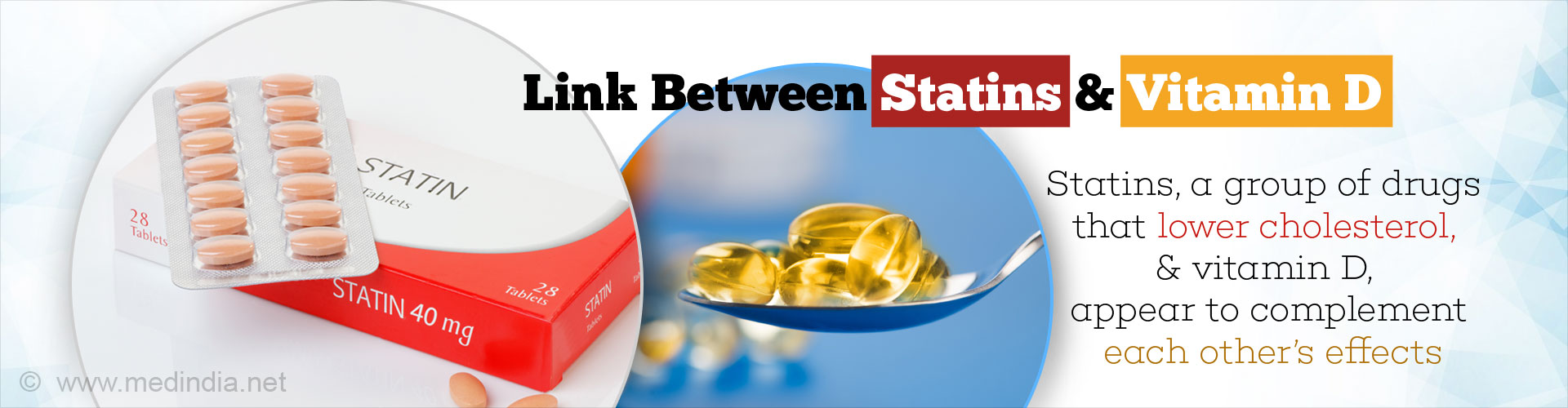
Have you ever wondered whether your cholesterol pill is quietly nudging your vitamin D levels—like a stealthy jester rearranging the props behind the curtain? It sounds whimsical, but the question is serious: a growing body of clinical observation suggests that people with low vitamin D may be more likely to experience issues while taking statin drugs. And now comes the playful-but-probing challenge: if you feel “fine” on the outside yet sense muscle soreness, fatigue, or vague malaise, could vitamin D be the missing subplot?
Vitamin D: The Sunscreen-Free Superhero Your Body Actually Needs
Vitamin D is often treated like a seasonal accessory—something you think about when sunlight is abundant. In reality, it behaves more like a hormone than a simple vitamin. It participates in calcium homeostasis, supports neuromuscular function, and helps regulate inflammation and immune signaling. Low vitamin D can manifest as aching muscles, reduced physical performance, and a general sense of being slightly off-balance.
When vitamin D is insufficient, the body’s internal machinery may run with higher friction. Muscles can feel more fragile. Recovery can take longer. Even mood and energy can wobble. This matters because statin therapy often enters the picture when cholesterol management becomes necessary—and the two stories can intersect.

Statins and Muscle Signals: When the Plot Feels Like It Twists
Statins are designed to lower LDL cholesterol, reducing cardiovascular risk. Most people tolerate them well, yet a subset reports adverse effects—most famously muscle-related symptoms. These can range from mild aches to more concerning muscle injury in rare cases.
What makes this complicated is that muscle symptoms are nonspecific. They can also appear with overtraining, low magnesium, thyroid dysfunction, aging-related sarcopenia, or simply a winter-weakened body. So when vitamin D is low, it can act like an amplifier. The discomfort may look like “statin intolerance,” but the root cause could involve a layered physiology rather than a single culprit.
In other words, the challenge is not only “Are statins causing symptoms?” but also “What background conditions are priming the body to notice them?”
The Biochemical Roadmap: How Cholesterol Pathways May Cross with Vitamin D
To appreciate the link, consider that vitamin D synthesis depends on skin production of vitamin D precursors. Those precursors are chemically related to cholesterol biology. This means your body is juggling overlapping molecular pathways, and perturbations in lipid metabolism can plausibly influence vitamin D status.
While statins primarily inhibit HMG-CoA reductase (a key step in cholesterol synthesis), they may also affect related metabolic networks. Researchers have explored whether this could influence vitamin D availability or downstream signaling. The idea isn’t that statins “steal” vitamin D like a villain in a cloak; rather, statin therapy may subtly alter the biochemical environment in which vitamin D is processed and utilized.
Even if the biochemical connection is partial or variable between individuals, the practical implication remains: low vitamin D can coexist with statin exposure, and together they may create conditions where muscle-related symptoms become more noticeable.
Why Low Vitamin D Is So Common in the First Place
Low vitamin D is not an exotic diagnosis. It is frequently encountered due to limited sun exposure, higher latitude, indoor lifestyles, darker skin pigmentation, aging skin (which is less efficient at producing vitamin D), and certain dietary patterns. Some people also have malabsorption syndromes or kidney-related limitations in vitamin D activation.
Now add statin therapy: a medication may not be the origin of low vitamin D, but it can become a magnifying lens. When vitamin D is already at the low end, the body might have less biochemical “reserve” to withstand changes in muscle metabolism.
Think of it as trying to play a fast sport while wearing shoes with worn soles. The sport doesn’t change—but your tolerance does.
Inflammation, Mitochondria, and the Possibility of Shared Mechanisms
Vitamin D influences inflammatory cytokines and immune responses. Statins, meanwhile, have well-known anti-inflammatory effects in cardiovascular contexts, but muscle symptoms may involve other metabolic processes, including mitochondrial function and oxidative stress. When vitamin D is deficient, muscle cells may be less resilient to metabolic strain.
This is where unusual terminology helps because the physiology is not merely “tired muscles.” It can involve dysregulated energy handling, altered calcium flux, and stress signaling that affects contractile performance. Low vitamin D may tilt the balance toward greater susceptibility to discomfort during statin treatment.
The result can feel like a puzzle: the cholesterol medication is doing its job in the bloodstream, yet the body’s peripheral tissues are reporting a different story.
Could Supplementing Help? The Responsible, Real-World Answer
It is tempting to hope for a simple fix: “Take vitamin D and the statin problem disappears.” Reality is more nuanced. Some people improve when vitamin D deficiency is corrected; others still experience statin-associated symptoms. But correcting deficiency is often a sensible first step because it addresses a common, independently meaningful health issue.
Clinically, the best approach usually includes testing 25-hydroxyvitamin D levels and tailoring supplementation to reach an appropriate range. Dose selection should be individualized, especially if there are kidney conditions, calcium disorders, or a history of kidney stones.
In practical terms, vitamin D repletion may reduce baseline muscle vulnerability. It may not fully negate statin side effects, but it can reduce the odds that deficiency-related weakness is masquerading as medication intolerance.
Statin Intolerance, Risk Factors, and the Detective Work Challenge
If someone reports muscle pain after starting a statin, the response should resemble detective work rather than blame. Risk factors can include higher statin doses, advanced age, small body size, drug interactions (particularly with certain CYP pathways), hypothyroidism, and intense exercise. Alcohol intake and nutritional insufficiency can also play roles.
Vitamin D belongs in that evaluation. If deficiency is present, correcting it can clarify the narrative. Symptoms may ease as vitamin D status improves, revealing that the initial complaint was partially provoked by baseline insufficiency.
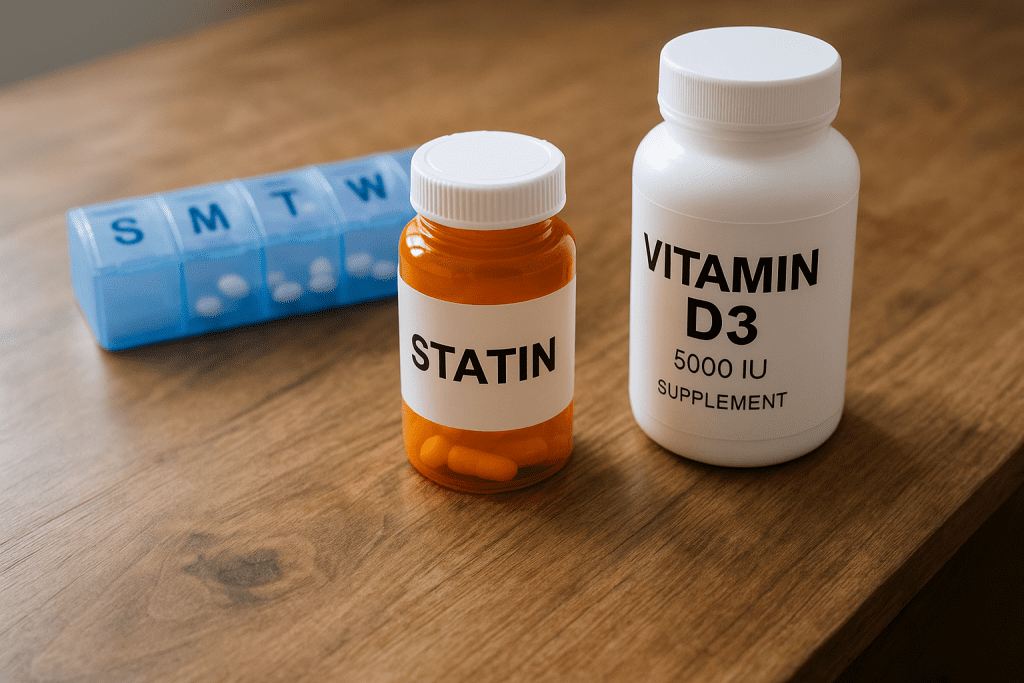
The playful challenge, then, is to avoid tunnel vision. Don’t assume the statin is the sole villain. Consider the ensemble cast: vitamin D, thyroid function, magnesium status, training load, sleep quality, and medication interactions.
What Monitoring Should Look Like: Lab Tests and Symptom Timing
Monitoring can guide decisions. Vitamin D testing (typically 25-hydroxyvitamin D) provides a baseline. If muscle symptoms emerge, healthcare teams may check creatine kinase (CK) levels—though CK is not always elevated even when symptoms occur. Thyroid function tests and kidney-related markers can also help.
Timing matters. If symptoms begin soon after statin initiation, the temporal link is notable. Yet vitamin D correction takes time. A thorough plan might involve adjusting the statin regimen (dose reduction, switching to a different statin, or alternate dosing strategies) while concurrently addressing deficiency.
In short: data plus symptoms. Not feelings alone. Not labs alone. The best outcomes arise from synchronized interpretation.
Putting It All Together: A Cautiously Optimistic Perspective
The link between low vitamin D and statin drugs is not a fairy tale with a single moral. It is a plausible intersection of pathways involving muscle function, inflammation, and biochemical resilience. Low vitamin D is common, and statins can coincide with muscle-related complaints that feel alarming. When vitamin D deficiency is present, it may contribute to symptom susceptibility, turning mild metabolic stress into noticeable discomfort.
So the narrative loop closes: you start with a curious question, you face a practical challenge, and you end with a thoughtful strategy—test vitamin D, evaluate risk factors, address deficiency, and manage statin therapy intelligently with clinical guidance.
If your body is a theater, vitamin D is part of the lighting crew and statins are part of the script. When the lighting is dim, even a well-written performance can look off. Correct the illumination, and the stage may finally feel like it belongs to you again.
When to Seek Urgent Medical Attention
Seek prompt care if muscle pain is severe, accompanied by weakness that worsens quickly, dark urine, fever, or significant fatigue. Rare complications require immediate evaluation. This is not about fear—it’s about prudence.
For everyone else, the best next step is a calm, evidence-informed conversation with a clinician: review symptoms, review medications, and consider testing vitamin D. The most effective plan tends to be the one that treats the whole human, not just the cholesterol number.
-200x112.jpg "天気による1日の気温の変化(問題)")