For years, a tidy assumption has floated through wellness circles: “If vitamin D is fat-soluble, liquid vitamin D must be useless without fat.” It sounds logical—almost elegantly so. But logic, like a flimsy umbrella in a hard rain, can fail when the weather changes. What if the real story isn’t about whether you’re eating fat, but about how your body handles vitamin D from different delivery formats? Let’s loosen that old belief and let curiosity do the heavy lifting.
The Fat-Soluble Myth: Where the Story Gets Stuck
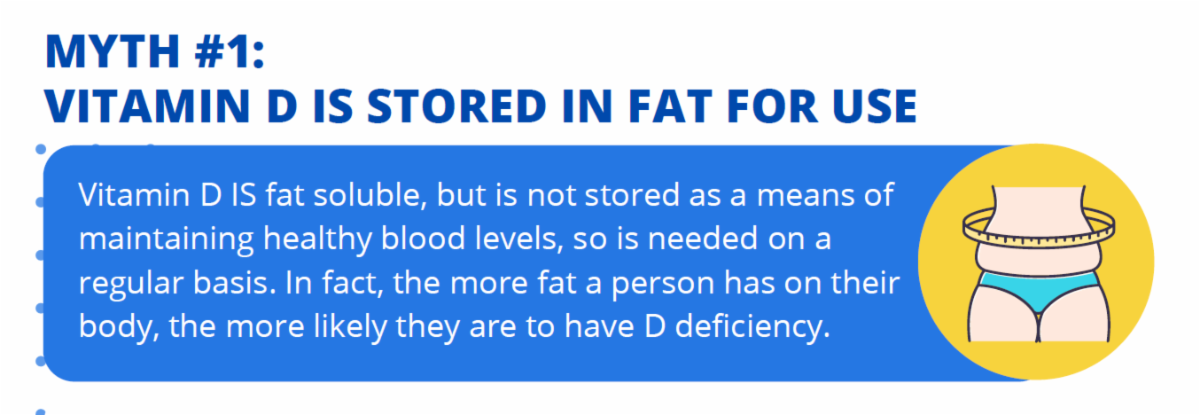
Vitamin D is often described as fat-soluble, which means it travels through the body in connection with lipids. That part is true. The myth begins when people leap from “fat-soluble” to “therefore liquid vitamin D cannot work unless fat is present in every single dose.” That leap is where the narrative becomes less science and more folklore.
Fat-solubility doesn’t automatically mean “fat is always required at the exact moment of swallowing.” Your digestive system is not a single-file line where nutrients march through in lockstep. It’s a dynamic assembly line. Even when you take a liquid, your gut environment, bile activity, and intestinal absorption processes are rarely operating in isolation from your overall meal context.
In other words: fat helps. But “helping” is not the same as “mandatory.”
Liquid Vitamin D Isn’t a Single Thing—It’s a Delivery Strategy
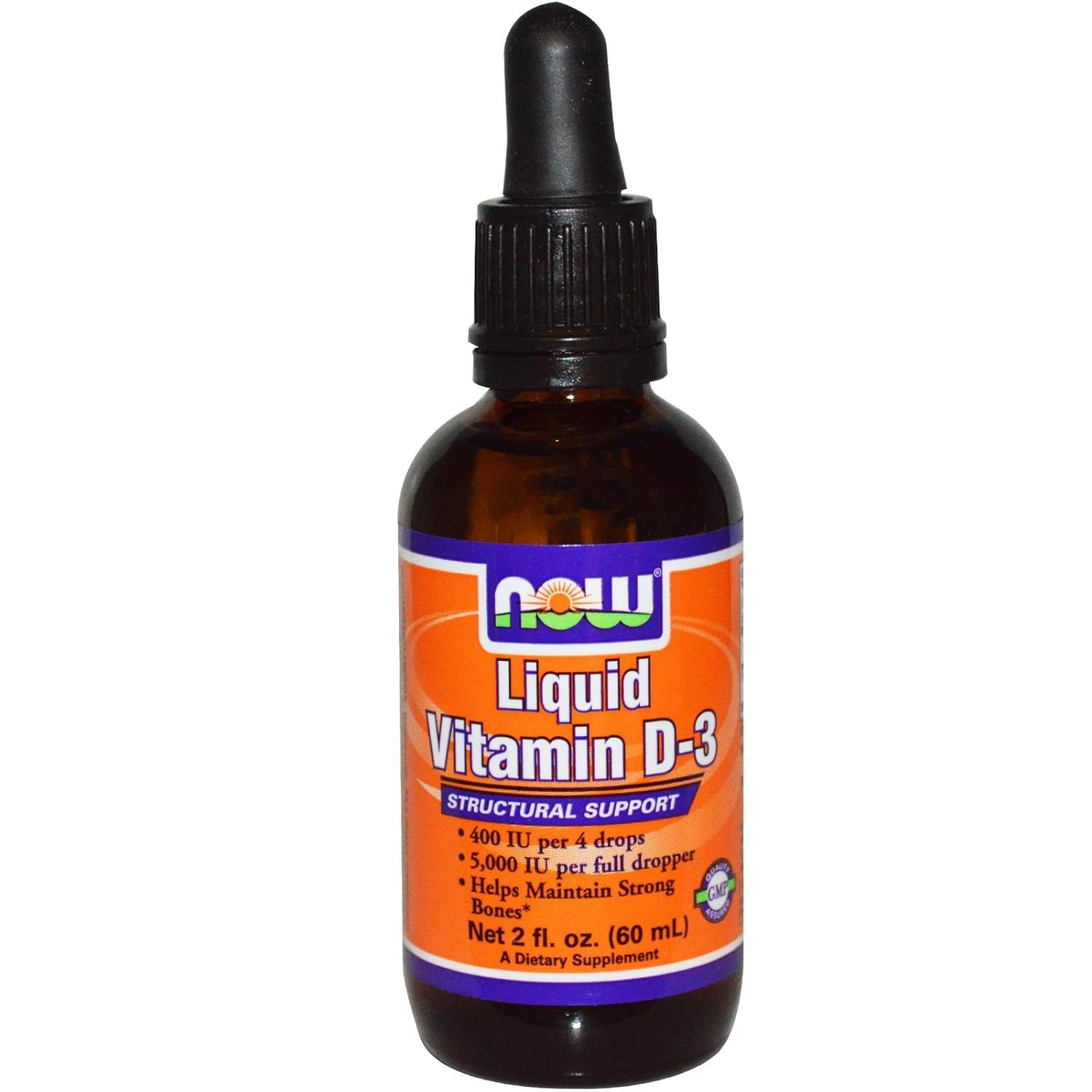
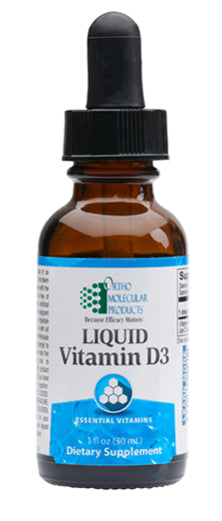
“Liquid vitamin D” can mean different formulations. Some products use oil-based carriers; others use alternative excipients designed to enhance solubility and absorption. That matters, because absorption isn’t only about the nutrient—it’s also about the vehicle delivering the nutrient.
Think of it like this: you can hand someone a message in a sealed envelope or you can shout it through a megaphone. Both can communicate. The question is not whether communication happens, but how efficiently it happens under real-world conditions.
Many liquid formats incorporate stabilizers and carrier systems that interact with the digestive milieu. Even if you’re not simultaneously consuming a heavy fat meal, the formulation may still promote uptake via pathways that don’t require a full-blown “fat buffet” at the time of dosing.
How the Body Actually Absorbs Vitamin D (It’s More Nuanced Than You Think)
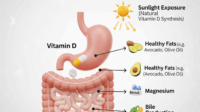
Vitamin D absorption involves bile and micelle formation—tiny transport structures that help move fat-associated molecules through the watery environment of the intestine. If you’ve been told that this means “no fat, no absorption,” consider the subtlety: bile and micelle formation can be influenced by the entire digestive process, not just by the final bite before your dose.
Your liver produces bile continuously, and your gallbladder releases bile in response to meals. Even if your liquid vitamin D is taken between meals, prior meals can still influence digestive chemistry for a period of time.
Absorption is often a choreography, not a single moment. Short delays, overlapping meal effects, and the variability of human digestion can all tilt the odds in favor of meaningful absorption—especially when dosing is consistent over time.
The Real Risk: Inconsistent Intake (Not Whether You “Took It With Fat” Once)
Here’s a pivot worth considering. Many people worry about whether a single dose included fat, while overlooking the bigger determinant: overall consistency and total vitamin D intake.
Vitamin D status is shaped by repeated exposure—what you take daily or weekly, your baseline levels, seasonal sunlight exposure, body composition, and individual metabolism. If absorption efficiency fluctuates, consistent dosing tends to smooth the peaks and troughs.
So instead of treating fat as an on/off switch, it can help to treat it as a dial. Some days, you’ll have more dietary fat. Other days, less. That doesn’t necessarily mean your progress stops. It means absorption can vary, and the long view matters.
What “With Fat” Usually Means in Practice
Many clinicians and product directions recommend taking fat-soluble vitamins with a meal containing fat. This is practical guidance, not a moral judgment about your lunch choices.
When taken with food, the digestive environment is more likely to support micelle formation and transport. That can improve absorption efficiency, particularly for formulations that rely more heavily on lipid-based carriers.
But if you’re taking liquid vitamin D and you rarely pair it with fat, you’re not automatically doomed. You may simply need to adjust timing, monitor your vitamin D bloodwork, or switch formulations if your results don’t match your expectations.
Blood Tests Don’t Care About Myths
One reason the “no fat means it won’t work” idea persists is that it’s psychologically satisfying. It creates a simple checklist. But the body doesn’t run on checklists—it runs on biology.
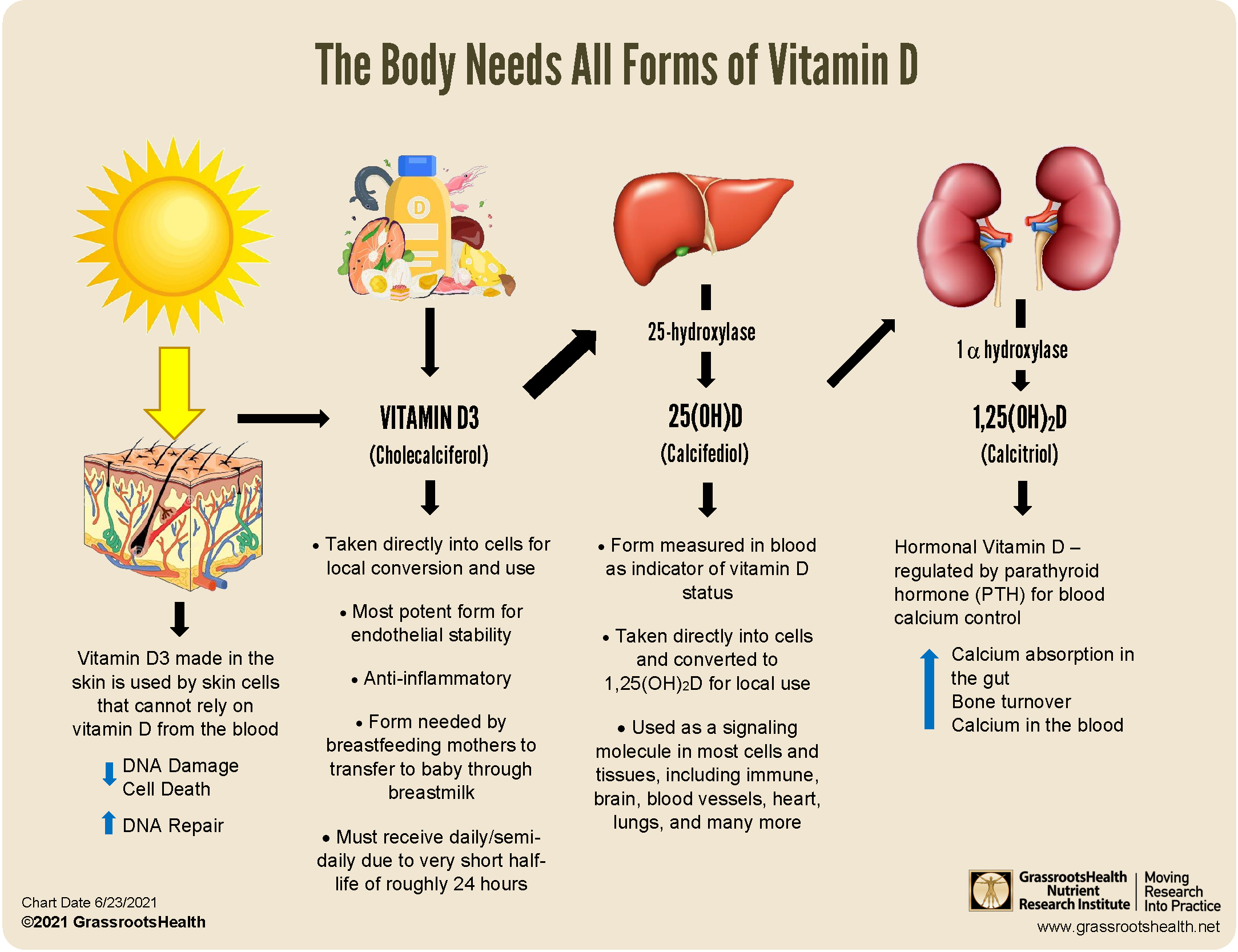
Vitamin D status is best evaluated with measurements such as 25-hydroxyvitamin D. If someone takes liquid vitamin D regularly and maintains an adequate level, then the myth collapses under real-world evidence.
If levels remain low despite consistent dosing, that’s not proof of the myth—it’s a clue. It could point to insufficient dose, inconsistent intake, reduced absorption, an incorrect formulation for an individual, or other biological factors.
The most grounded path is curiosity paired with measurement: test, adjust, re-test.
Myth vs. Reality: Common Misinterpretations to Retire
Let’s name the lingering ideas that often masquerade as “facts.”
Myth: Liquid vitamin D is useless without dietary fat at the moment of dosing.
Reality: Absorption can be supported by formulation and overall digestive conditions; fat can help but is not necessarily an absolute prerequisite.
Myth: If absorption is fat-dependent, then taking vitamin D between meals guarantees failure.
Reality: Digestion isn’t a series of isolated boxes. Bile activity and gut physiology aren’t instantaneously reset after each meal.
Myth: “Better absorption” automatically means “only absorption matters.”
Reality: Long-term vitamin D status is influenced by dose, consistency, baseline levels, and sunlight exposure.
A Shift in Perspective: From Rules to Responsive Experimentation
Instead of asking, “Do I have to eat fat with this?” try asking, “What pattern gets my levels where they need to be?” That shift is empowering. It turns a rigid rule into a responsive experiment.
For some people, taking liquid vitamin D with a meal containing fat is a convenient optimization. For others, it’s less practical. If you’re not pairing doses with meals, you can still move toward clarity by tracking labs and adjusting as needed.
Curiosity doesn’t just reduce anxiety. It creates a feedback loop. Your body’s results become the story, not the rumor.
Practical Takeaways That Keep the Door Open
If you’re trying to decide whether liquid vitamin D “needs fat,” consider these grounded steps:
First: Take it consistently—regularity often outperforms perfection.
Second: If you want maximum absorption support, consider dosing with a meal that includes some fat.
Third: Use bloodwork to verify outcomes. Let data replace dread.
Finally: If levels don’t improve, discuss formulation changes, dosing adjustments, or additional factors with a qualified professional.
Fat may enhance the journey. But liquid vitamin D doesn’t automatically forfeit its purpose without it. The real conclusion is simpler—and more interesting: absorption is adaptable, and your vitamin D status is a cumulative narrative, not a one-minute verdict.