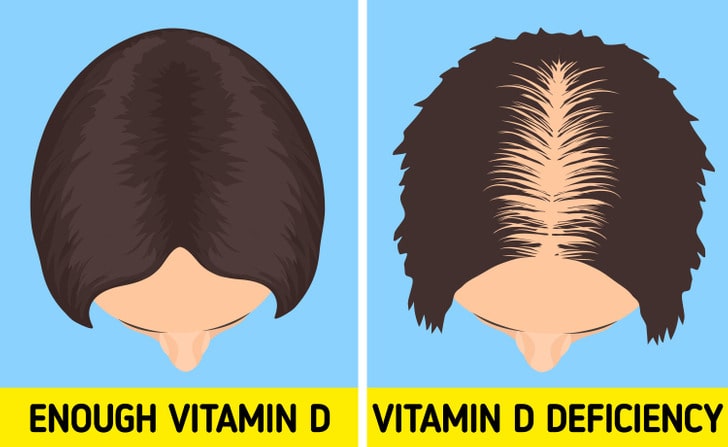
Imagine your scalp as a quiet city at dawn. In the dark, cells are still doing their essential errands—repairing, renewing, signaling. Vitamin D is the soft sunrise that nudges those processes into rhythm. When it’s scarce, the city doesn’t collapse overnight, but it begins to stutter: growth slows, inflammation may whisper louder, and follicles can become strangely temperamental. So where does the science land on the question that haunts so many mirrors—can vitamin D cause hair loss, or is it merely a passenger in the bloodstream?
Vitamin D: More Than a “Bone Vitamin”
Vitamin D is often introduced as a skeletal guardian, but its true résumé is far more expansive. It functions like a hormone with a backstage crew: it binds to receptors in multiple tissues, including skin and follicles. Those receptors are not decorative; they are operational. Hair follicles aren’t passive strands of protein. They are living mini-organs with cycles—anagen for growth, catagen for transition, telogen for rest.
When vitamin D is properly available, it may support follicular cycling and influence immune signaling around the follicle. That immune aspect matters, because hair loss isn’t always a simple mechanical failure. Sometimes it’s an argument between immunity and the body’s own architecture.
Think of vitamin D as a conductor’s baton. It doesn’t play the music itself, but it coordinates timing—ensuring the orchestra of keratinocytes, stem cells, and immune regulators hits the right tempo.
How Could Vitamin D Influence Hair Loss?
The plausible pathways are intriguing, because hair loss often involves biology more complex than “low vitamins equals baldness.” Several mechanisms have been proposed and investigated:
Immune modulation: Vitamin D influences T-cell behavior and helps regulate inflammatory responses. Since certain hair-loss conditions are immune-mediated, altered vitamin D signaling could contribute to susceptibility or severity.
Keratinocyte function: Follicular keratinocytes are part of the hair-building machinery. Vitamin D may affect their proliferation and differentiation.
Wnt/β-catenin signaling: This pathway is involved in follicle development and cycling. Vitamin D is thought to interact with pathways that affect growth signals.
Antimicrobial and barrier effects: Healthy skin ecology supports calm scalp conditions. If vitamin D levels are low, scalp homeostasis may become less resilient.
These mechanisms don’t guarantee causality, but they provide a coherent “how.” Without a mechanism, vitamin D would be a mere correlation. With plausible biology, it becomes a candidate signal—though not always the only signal.
The Evidence: Correlation vs. Causation
Here’s the scientific tension at the heart of the question. Many studies observe that people with certain types of hair loss—especially alopecia areata—tend to have lower vitamin D levels. Other research finds associations with androgenetic alopecia (pattern hair loss) as well, though results can be mixed depending on study design, population, and how vitamin D is measured.
Association is not destiny. Low vitamin D can be a contributor, a marker, or even a consequence of lifestyle factors that also affect hair health (less sun exposure, dietary patterns, concurrent inflammation, or metabolic changes). Sometimes the body’s stress response and reduced outdoor activity travel together like uninvited siblings.
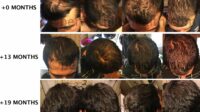
To truly establish causation, researchers look for whether correcting deficiency improves outcomes. In some investigations and small clinical trials, supplementation has shown improvements in regrowth or hair parameters—particularly in individuals who were deficient at baseline. But responses vary, and not everyone benefits.
In short: the science supports a relationship. It doesn’t hand out a one-size-fits-all verdict.
Alopecia Areata: The Immune-Linked Puzzle
Alopecia areata is one of the most compelling contexts for vitamin D. This condition involves immune dysregulation where the follicle is attacked or targeted. Vitamin D’s immunomodulatory role makes it biologically relevant—like a diplomat trying to lower the temperature of a tense negotiation.
Some studies report that vitamin D deficiency appears more common among people with alopecia areata. Others suggest that correcting deficiency may assist treatment in selected patients. Still, responses are not uniform, and vitamin D is best viewed as one variable among many—alongside genetics, immune signaling, and other nutritional status.
If you’re dealing with immune-driven hair loss, vitamin D may function as a helpful amplifier for a broader strategy rather than the single lever pulling the entire machine.
Pattern Hair Loss: Mixed Findings, Real Questions
Androgenetic alopecia (the classic “pattern” hair loss) is driven by hormones, follicle sensitivity, and genetics. Vitamin D doesn’t appear to be the primary orchestrator in the way androgens do. However, it may still play a secondary role.
Researchers have explored whether vitamin D deficiency correlates with severity or onset. Some studies show relationships; others find little difference once confounding variables are considered. The scalp is not a closed system. Nutrition, inflammation, overall health, and sun exposure can braid together, confusing clean cause-and-effect.
It’s a bit like trying to identify a single note in an entire symphony. Vitamin D may contribute to the harmony—or it may simply reflect a broader lifestyle pattern.
Telogen Effluvium and “Stress-Season” Shedding
Telogen effluvium is often described as shock to the system: shedding that follows physiological stress such as illness, surgery, severe calorie restriction, or major life events. It can also be tied to nutritional insufficiency, and vitamin D deficiency sometimes appears in that broader context.
Yet vitamin D alone isn’t the usual headline for telogen effluvium. Still, ensuring adequate nutrient levels can support the body’s recovery. In these cases, vitamin D may behave like maintenance supplies—supporting regrowth conditions rather than flipping the switch that causes shedding.
Long sentences can be comforting here: the body rarely blames a single culprit. The timeline, the trigger, and the pattern of shedding matter.
Vitamin D Deficiency: Who’s More Likely to Have Low Levels?
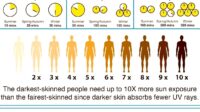
Deficiency is more common when sunlight exposure is limited or when skin synthesis is reduced. Risk factors can include darker skin pigmentation, high latitude living, staying indoors, sunscreen overuse without vitamin D planning, and certain dietary patterns. Malabsorption syndromes or chronic gastrointestinal issues can also impair absorption.
If your routine keeps you out of daylight, vitamin D may decline quietly, like dust accumulating in an attic. It’s not always felt until something starts to malfunction—sometimes hair, sometimes immune resilience, sometimes energy.
Testing is the compass. Without knowing baseline levels, supplementation becomes guesswork.
Testing and Interpreting Results
If vitamin D is suspected, blood testing is the rational first step. The common metric is 25-hydroxyvitamin D, often shortened in conversation. Results are typically discussed in terms of sufficiency ranges. But interpretation isn’t only about the number—it’s about context: age, symptoms, comorbidities, and whether you’re already taking supplements.
Also consider that labs differ. One clinic’s “adequate” can be another’s “borderline.” That’s why clinical judgment matters. Your hair health is not a spreadsheet; it’s a biological narrative.
Supplementation: Potential Benefit, Sensible Approach
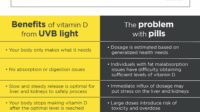
If you are deficient, supplementation can be reasonable. In deficient individuals, restoring levels may support normal follicular function and immune balance. But dosing should be individualized. Too little may be ineffective; too much can be harmful.
Vitamin D is fat-soluble, meaning the body stores it. That turns supplementation into a balancing act. It’s not a “drink more and forget it” scenario. Monitoring and professional guidance are especially important for higher-dose regimens.
Even when vitamin D helps, hair growth is slow. A scalp ecosystem doesn’t change overnight. Patience is not passive—it’s strategic timing.
Supportive Lifestyle and Scalp Factors
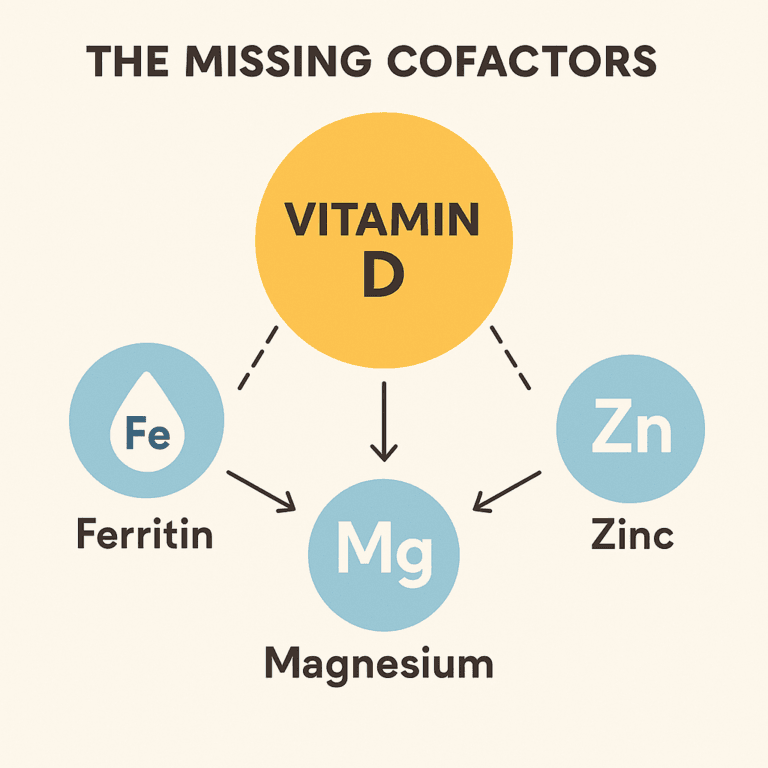
Vitamin D is one piece of a mosaic. Hair health also depends on protein intake, iron status, thyroid function, zinc balance, stress load, and scalp conditions like dermatitis or fungal overgrowth. If the scalp environment is chronically inflamed, vitamin D may be working in a room with broken ventilation.
Sunlight exposure can help, but it should be approached safely. Some people benefit from moderate, consistent exposure. Others need dietary sources or supplementation because their schedules or skin sensitivity make sun less feasible.
A calm scalp is like soft bedding for a new seed. It encourages the root to settle and the shoot to reach.
What to Do If You Suspect a Link
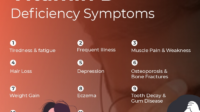
Start with a practical checklist: assess shedding pattern, timing, family history, scalp symptoms, and recent stressors. Then consider a medical evaluation if shedding is rapid, patchy, or persistent. Testing vitamin D can be part of that plan, particularly if you also have symptoms that suggest low vitamin D—fatigue, low mood, frequent infections, or limited sun exposure.
If supplementation is started, revisit levels after an appropriate interval and evaluate hair progress over multiple growth cycles. Improvements—when they occur—often emerge gradually, with reduced shedding and subtle density changes.
Most importantly, avoid treating vitamin D as a lone hero. The most effective hair strategies are multi-lane: addressing deficiency, managing inflammation, and supporting the body’s growth machinery.


The Science, Summed Like a Story
Vitamin D and hair loss share a relationship that feels both plausible and incomplete. The science suggests vitamin D can influence immune activity, follicular signaling, and scalp homeostasis. Deficiency is often seen alongside several hair-loss conditions, and supplementation may help some people—especially those who truly lack adequate levels.
Yet the story isn’t a simple straight line from “low vitamin D” to “baldness.” It’s a braided timeline: deficiency may contribute, reflect, or interact with other drivers such as genetics, hormonal signals, stress, and inflammation.
So the most honest conclusion is also the most empowering: checking and correcting vitamin D when it’s low can be a sensible, evidence-informed step—one that may help restore the scalp’s rhythm, even if it’s not the only rhythm in the song.