Ever basked in sunshine and wondered, “Am I fueling my health—or quietly signing up for trouble?” Sunlight is the body’s most famous accomplice for vitamin D production, yet it also carries an unmistakable sting: ultraviolet (UV) radiation. The twist is that the same golden rays that nudge vitamin D synthesis can also increase skin cancer risk. So how do you thread that needle—enjoying the benefits without wandering into the burn zone?
Sunlight and Vitamin D: The Bright Exchange
When UVB rays from sunlight reach your skin, they trigger a biochemical conversion that ultimately supports vitamin D status. This vitamin acts more like a backstage stage manager than a single-purpose actor—helping coordinate calcium absorption for bone health and influencing immune function and cellular signaling. Many people think of vitamin D as “sunshine vitamin,” and the phrase is not wrong. Still, it’s incomplete, because the process depends on multiple variables.
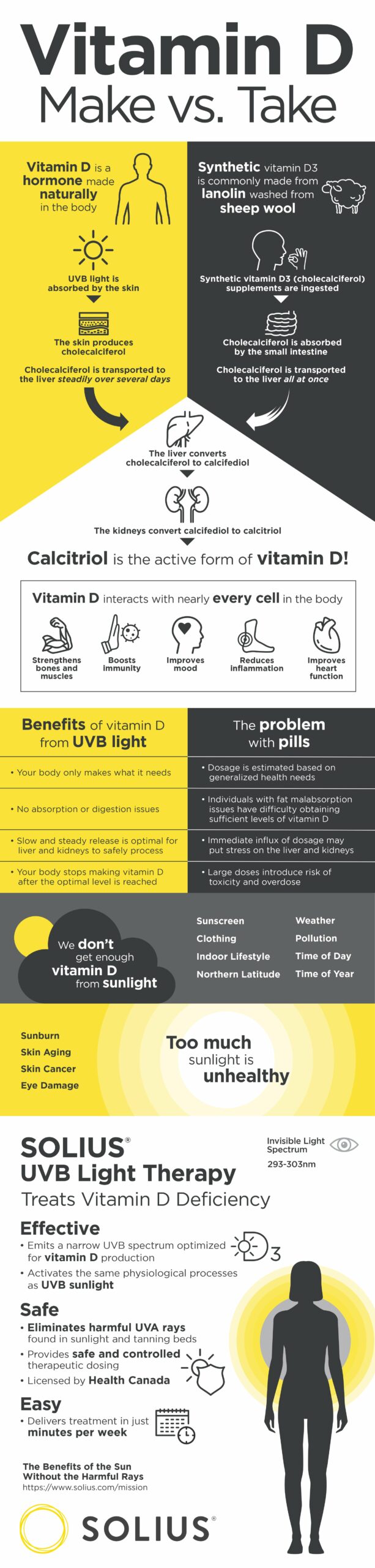
Think of vitamin D synthesis as a careful recipe. Too little UVB, and the batch barely rises. Too much, and you risk collateral damage. Factors such as latitude, season, time of day, cloud cover, skin pigmentation, and even sunscreen can alter the amount of UVB reaching the skin. In other words, sunlight is not a standardized supplement—it’s a moving target.
The Hidden Variables: Why “A Little Sun” Can Mean Different Things
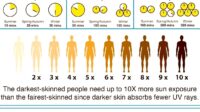
Here’s a playful challenge: try asking two people the same question—“How long do you need to be in the sun for vitamin D?”—and watch how quickly the answers diverge. Darker skin tones generally require more UV exposure to produce equivalent vitamin D because melanin absorbs UV radiation. Older skin also tends to be less efficient at conversion. Meanwhile, higher latitudes and winter months can reduce UVB intensity substantially, even when the sky looks bright.
Time of day matters too. UVB tends to peak around late morning to mid-afternoon. Cloud cover can diffuse UVA and UVB, but it doesn’t necessarily eliminate UVB; you can still receive meaningful exposure on an overcast day. Even sunscreen—while protective—can reduce UVB reaching the skin, creating a balancing act between “vitamin D support” and “skin safety.”
The Pros: When Sunshine Helps More Than You Think
Vitamin D is only one piece of the sunlight puzzle. Adequate vitamin D levels are strongly linked with bone metabolism and may support muscular function. Beyond that, vitamin D participates in immune modulation, which can be relevant when your body is deciding whether to respond aggressively or calmly. Some research also suggests associations between vitamin D status and certain chronic conditions, though causality isn’t always straightforward.
There’s also a psychological benefit—sunlight can elevate mood by influencing circadian rhythms. Many people feel a subtle lift after outdoor time, and that shift may encourage more movement, improved sleep, and better overall lifestyle habits. In short: sunshine can be both a biochemical tool and a behavioral nudge.
The Cons: UV Radiation and the Skin Cancer Risk
Now for the inconvenient truth: UV radiation is a well-established carcinogenic factor. UVB contributes directly to DNA damage, while UVA penetrates more deeply, driving oxidative stress and supporting photoaging. Repeated damage can accumulate over time, increasing the likelihood of mutations that may lead to cancer.
Skin cancer risk isn’t uniform. Individuals with fair skin, freckles, light-colored eyes, a history of sunburns, or a family history of skin cancer tend to be higher-risk. Certain medications can also increase photosensitivity. Add tanning beds to the mix, and the risk escalates further—artificial UV often amplifies harm without any extra vitamin D advantage worth the trade.
It helps to visualize your skin as a ledger. Each exposure contributes risk “charges,” while vitamin D provides a “health credit.” The safest strategy is to avoid reckless overdrafts.
Risk Isn’t Just Minutes: How Burns and Frequency Matter
One major misconception is that only extreme sunburns count. In reality, sunburn is a dramatic event, but chronic low-to-moderate exposure can also be harmful. Sun damage is cumulative, meaning your skin may “remember” exposures long after your body forgets the sensation.
Burning is particularly concerning because it signals acute injury to skin cells. If you blister, peel, or get painfully red, the exposure exceeded what your skin could safely tolerate at that time. A safer approach often emphasizes short, non-burn exposures rather than long basking sessions. Yet even non-burn exposure should be handled thoughtfully—especially for those with higher baseline risk.
How Sunscreen Fits: Barrier Protection vs. Vitamin D Production
Sunscreen often gets blamed for “blocking” vitamin D. But protection from UV is a rational goal, not a villain. Modern sunscreens can prevent harmful UV penetration while still allowing some environmental light to reach the skin. The key is using sunscreen correctly—applying enough, reapplying as directed, and covering commonly missed areas like ears, scalp part lines, and the back of the neck.
If sunscreen reduces UVB exposure, then vitamin D levels might not rise as efficiently from sun alone. That’s where alternative strategies come in: dietary sources of vitamin D, fortified foods, and supplementation when appropriate. The best plan frequently combines sun safety with backup options, rather than treating sunlight as the single mandatory lever.
Practical Strategies: Enjoy the Sun Without Becoming a Sun-Sculpture
Here’s a grounded approach. Start with modest outdoor time when UV is not at its peak. Seek shade strategically—shade isn’t defeat; it’s modulation. Wear protective clothing when outdoors for longer stretches: wide-brim hats, UV-blocking sunglasses, and breathable long sleeves can help reduce exposure dramatically.
Consider a “two-phase” routine for those who want both outdoor enjoyment and vitamin D support. Phase one is brief exposure with minimal burning potential. Phase two shifts toward protection—sunscreen, clothing, or shade—so you don’t remain in a high-UV window. Keep your eyes open for local UV index guidance; it’s like a weather report for radiation intensity.
Who Should Be Extra Cautious?
Some people should treat sunlight like a loaded tool—use it carefully or choose other vitamin D pathways. If you have a history of skin cancer, numerous moles, actinic keratoses, or a strong family history, risk tolerance should be low. People with very fair skin, freckles, or inability to tan effectively are also higher-risk.
Additionally, those taking photosensitizing medications—such as certain antibiotics, retinoids, or some diuretics—should talk with a clinician about safe exposure. Pregnancy and childhood also require prudence; younger skin tends to be more vulnerable, and sun-seeking habits can compound lifelong risk.
When Sun Isn’t Enough: Alternatives to Consider
Vitamin D can be supported through food and supplements, particularly in seasons with low UVB or for people who cannot safely get sun exposure. Fatty fish, egg yolks, and fortified dairy or plant milks can contribute. Supplements can be tailored to individual needs based on blood levels, though the specifics matter—too much vitamin D can also be problematic.
In many cases, the healthiest synthesis is not “sun versus pills,” but a blended strategy: safe outdoor time for overall wellbeing, alongside dietary intake and, when needed, supplementation to maintain stable vitamin D status.
The Bottom Line: Balance, Not Extremes
Sunlight can help you build vitamin D, but it can also injure the skin’s genetic architecture. The pros and cons are inseparable because UV exposure is the same force driving both vitamin D synthesis and carcinogenic risk. The smart path is nuance: short, non-burning exposure when feasible, aggressive sun protection during longer outdoor time, and backup sources for vitamin D.
So the next time you catch yourself craving that golden glow, ask not only “Will it make vitamin D?” but also “Is my skin safe in the process?” That question turns sunshine from a gamble into a strategy.