Many people assume rhabdomyolysis is simply a dramatic “bad day at the gym”—a rare, headline-grabbing accident that only occurs when someone pushes too hard. Yet the fascination runs deeper. There is a quieter, more biochemical story unfolding underneath the roar of exertion: the interplay between muscle metabolism, oxidative stress, inflammation, and nutrient biology. Among the nutrients drawing increasing attention is vitamin D, often associated with bone and sunshine—but potentially involved in the resilience of skeletal muscle when the body is put under extreme athletic siege.
Rhabdomyolysis and the Extreme-Exercise Paradox
Rhabdomyolysis is, at its core, a breakdown of skeletal muscle fibers with the release of intracellular contents into the bloodstream. That release can overwhelm renal clearance mechanisms and trigger complications ranging from electrolyte derangements to acute kidney injury. The paradox of extreme exercise is that the same discipline that builds strength can, under particular circumstances, tip physiology into failure.
Not every athlete at maximal effort develops muscle injury. That observation alone hints at variability—genetics, hydration status, thermoregulation, training history, drug exposure, and underlying deficiencies. Vitamin D enters this conversation not as a magic shield, but as part of a broader matrix influencing cellular stability and immune-tempered recovery.
Why Vitamin D Is Not “Just for Bones”
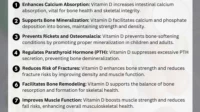
Vitamin D functions more like a hormone than a vitamin. Once activated in the body, it can influence gene transcription through nuclear receptors present in multiple tissues, including muscle and immune cells. This is where the subject becomes intriguingly non-obvious. Muscle performance depends on far more than effort; it depends on signaling pathways that coordinate repair, inflammation, and membrane integrity.
When vitamin D status is low, several downstream processes may drift toward dysfunction: inefficient calcium handling, altered mitochondrial performance, and an immune response that may be less calibrated. Any one of these could be a minor tilt; together, they can become a meaningful slope toward susceptibility when exercise stress is severe.
Oxidative Stress: The Hidden Spark Behind Muscle Breakdown
Extreme exercise generates reactive oxygen species as part of normal metabolic acceleration. In well-adapted tissues, antioxidant systems neutralize this surge. But when the balance tips—through overreaching, inadequate recovery, or environmental heat—oxidative stress can damage lipids, proteins, and contractile structures.
Vitamin D has been associated with modulation of antioxidant defenses and regulation of inflammatory mediators. In plain terms, it may help the body buffer the oxidative “shockwave” that comes with intense exertion. That buffering matters because rhabdomyolysis is not merely mechanical; it is biochemical. Membrane destabilization, mitochondrial strain, and downstream inflammatory amplification can become a self-reinforcing cascade.
Inflammation, Immune Coordination, and the Tempo of Recovery
Muscle injury triggers an immune response designed to clean debris and orchestrate repair. However, inflammation can be protective or destructive depending on timing and magnitude. With rhabdomyolysis, the injury load is heavy enough that immune signaling can overshoot, intensifying tissue damage and prolonging dysfunction.
Vitamin D is often linked to immune modulation—encouraging a more measured response. This could influence how quickly inflammatory signals resolve and how effectively muscle regenerates after stress. Athletes sometimes mistake delayed soreness for “normal.” Yet rhabdomyolysis sits closer to a threshold problem: the body’s repair system is overwhelmed, not merely delayed.
The fascination here is almost cinematic: a nutrient that steadies immunological tempo, potentially preventing the transition from controlled inflammation to runaway damage.
Calcium Homeostasis: Muscle’s Delicate Electrical Symphony
Muscle contraction is fundamentally an electrical-calcium choreography. When calcium handling becomes dysregulated, contractile apparatus function deteriorates and cell death pathways may accelerate. In severe cases, calcium overload can contribute to membrane disruption and the release of muscle contents.
Vitamin D is implicated in calcium metabolism and, indirectly, in how calcium-dependent processes behave. Adequate vitamin D status may support a more stable calcium environment—reducing the likelihood of maladaptive intracellular cascades during extreme exertion. This is not a guarantee. But it offers a plausible biological bridge between “nutrient sufficiency” and “muscle cell survival under strain.”
Muscle Fiber Resilience and Mitochondrial Performance
Mitochondria act like backstage engineers: they generate ATP, manage energy flux, and coordinate stress responses. Under intense workload, mitochondrial dysfunction can lead to energy failure, increased ROS, and impaired repair signaling. Once again, the story becomes more intricate than “too much exercise.”
Vitamin D-related signaling may influence metabolic pathways tied to energy utilization. While research continues to refine exactly how this occurs, the broader theme is compelling: vitamin D may help muscles maintain performance and recover more efficiently, especially when exercise intensity and duration amplify metabolic stress.
Dehydration, Heat, and the Amplifier Effect
Exercise-associated rhabdomyolysis often arises in conditions that magnify physiological stress: dehydration, high environmental temperatures, inadequate cooling, and insufficient electrolyte replenishment. In such settings, muscle ischemia risk increases, renal perfusion declines, and toxins clear less effectively.
Vitamin D is unlikely to counteract dehydration directly. Yet it may influence the baseline physiology that determines whether muscle injury escalates rapidly. Think of vitamin D as part of the “infrastructure.” Heat and dehydration are the storm system; nutrient sufficiency may influence whether the house holds.

Who Should Pay Extra Attention to Vitamin D Status?
Low vitamin D levels are more common than many people expect, particularly in individuals with limited sun exposure, darker skin pigmentation, higher latitudes, indoor lifestyles, or dietary patterns low in vitamin D-rich foods. Athletes who train indoors, compete in seasons with reduced daylight, or belong to groups at higher risk of deficiency may be unintentionally stacking risk factors.
This does not mean every low-level athlete will develop rhabdomyolysis. Rather, it implies that extreme exercise is not experienced in isolation; it is experienced on a foundation of existing biology. If that foundation is compromised, the threshold for catastrophic injury may be lower.
Common Observations: “I Pushed Hard and I Was Fine” vs. “I Pushed Hard and I Crashed”
One of the most common observations is that rhabdomyolysis seems capricious. Some people can sprint, lift, and suffer sore legs for days without incident. Others experience severe muscle breakdown after events that look similar on paper. That unpredictability can feel like luck.
But deeper reasons are often at work: differences in recovery quality, unrecognized deficiencies, baseline inflammation, prior muscle damage, medication use, genetic variations in metabolic pathways, and electrolyte imbalances. Vitamin D sits within this deeper reasoning. It may help explain why susceptibility diverges from what surface-level training logs predict.
The fascination is not only the biological plausibility; it is the human narrative. The same effort can yield different outcomes because physiology is individualized, and nutrients quietly shape that individuality.
Practical Strategies: Prevention Is a Multilayered Discipline
Preventing rhabdomyolysis is best approached like risk management rather than a single lever. Hydration, gradual training progression, adequate rest, and intelligent workload design reduce the chance that muscle injury crosses into catastrophic breakdown. Sleep matters more than most people want to admit. Heat acclimatization matters. Early symptom recognition matters.
Where vitamin D fits is as a foundation element. Testing vitamin D status and correcting deficiency—under appropriate medical guidance—may support muscle function and recovery pathways. This is especially relevant for athletes with a history of low sun exposure or prior unexplained muscle injuries.
Warning Signs: When “Recovery” Is Actually a Red Flag
Recognizing early rhabdomyolysis matters. Severe muscle pain, weakness, swelling, dark “tea-colored” urine, fever, and marked fatigue after exertion can signal danger. Electrolytes may become unstable, and kidney stress can develop quickly. In those moments, delaying care can be harmful.
Extreme exertion should be respected as a physiological conversation with risk. Nutritional adequacy, including vitamin D, may help the body respond more gracefully—but it cannot replace urgent medical evaluation when symptoms appear.
A Balanced Perspective: Vitamin D as Support, Not Armor
Vitamin D’s role in preventing rhabdomyolysis is best understood as supportive rather than absolute. The most credible view is that it may help optimize immune regulation, oxidative stress control, calcium-related signaling, and recovery tempo. Those are precisely the processes that influence whether muscle stress remains repairable or turns into widespread breakdown.
So the next time someone asks why extreme exercise can be both transformative and dangerous, the answer is not merely “push smarter.” It is “build better biology around the effort.” Vitamin D is one of the subtle threads in that fabric—often overlooked, yet potentially influential when the body is asked to perform at the edge.