It’s a curious paradox: many people chase sleep by dimming the lights, yet the body’s rhythms are initially tuned by daylight. Sunlight is often treated as either a daytime accessory or a summertime nuisance, but in truth it performs a duet—coaxing vitamin D formation while simultaneously sculpting melatonin timing. When these processes fall out of step, sleep can feel flimsy, energy can waver, and the calendar inside the body starts behaving like a clock with a misaligned gear.
Why sunlight feels like it “belongs” to waking—and still influences sleep
A common observation goes like this: “I sleep better when I’m active outdoors.” The surface explanation is intuitive—movement, fresh air, and natural routines. Yet beneath that tidy narrative sits a deeper mechanism. Sunlight is not merely bright; it is information. Your eyes and skin detect spectral composition, intensity, and timing, and they relay that information to biological clocks scattered throughout the brain and body.
In effect, sunlight acts as a conductor. It coordinates the circadian metronome, helping the body decide when to energize and when to quiet down. Melatonin is the signature of nocturnal readiness, but its release is governed by cues that begin long before night falls. The fascination comes from this: the same environmental element that nudges you toward wakefulness also helps you later transition into rest with cleaner precision.
Sunlight and vitamin D synthesis: more than bone biology
Vitamin D is often introduced as a “bone vitamin,” but its influence is broader and subtler. When ultraviolet B (UVB) radiation reaches the skin, it assists in converting a cholesterol-derived precursor into vitamin D forms that can be activated in the liver and kidneys. Think of it as a two-step industrial process: first, production; then, refinement.
What makes this pathway compelling is its systemic reach. Vitamin D receptors are present in many tissues, and vitamin D status is associated with immune modulation, muscle function, and mood regulation. In other words, the body does not store vitamin D only for later skeletal needs—it treats it as a regulatory signal.
However, vitamin D synthesis depends on a chain of variables: season, latitude, time of day, skin pigmentation, cloud cover, and even clothing coverage. A person can receive “sunlight” in a casual sense—standing near a window, for example—without receiving sufficient UVB for meaningful vitamin D production. This mismatch is one reason people can feel sun-savvy yet still have low vitamin D levels.
 Melatonin: the night messenger that loves accurate timing
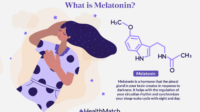
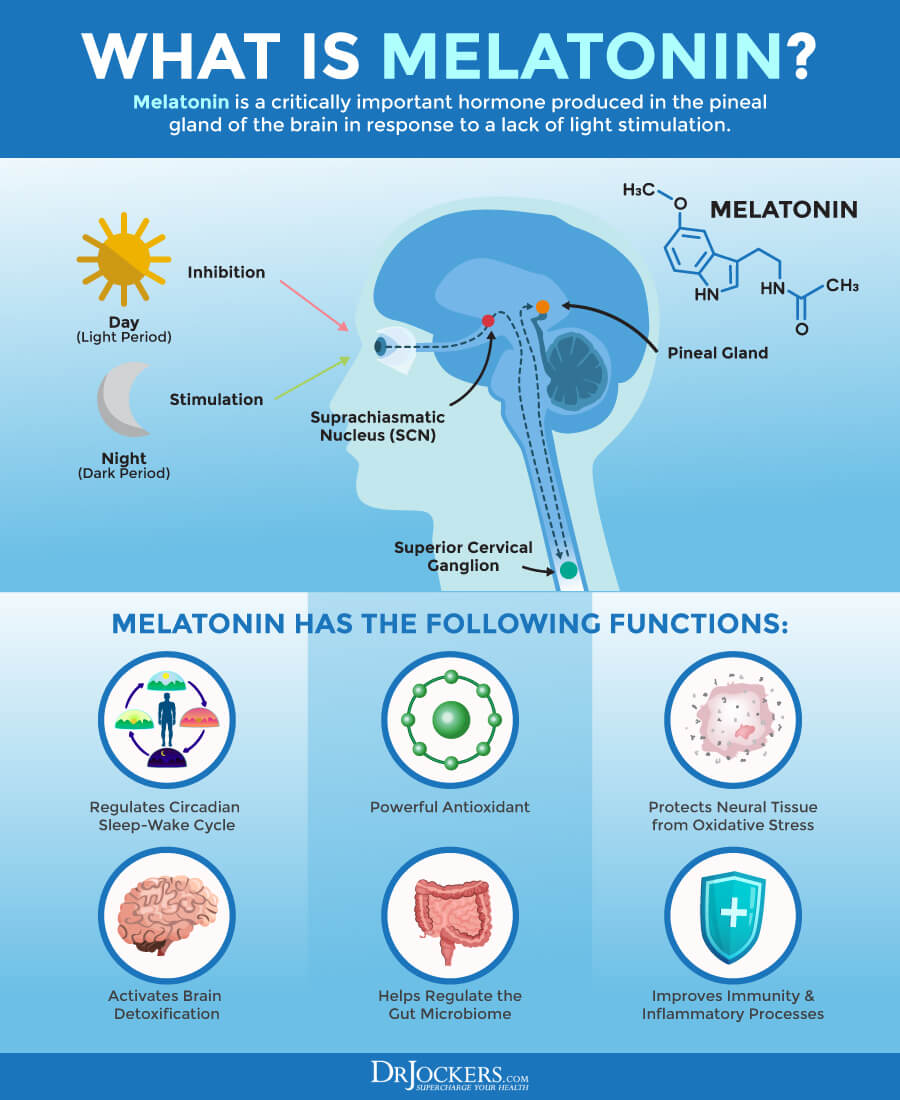
Melatonin is commonly described as a sleep hormone, but that phrase can mislead. It’s better to think of melatonin as a timekeeping molecule. Its rise in the evening helps tell the body that night has begun. When melatonin timing becomes erratic—whether from irregular schedules, excessive evening light, shift work, or chronic stress—sleep can become light, fragmented, or non-restorative.
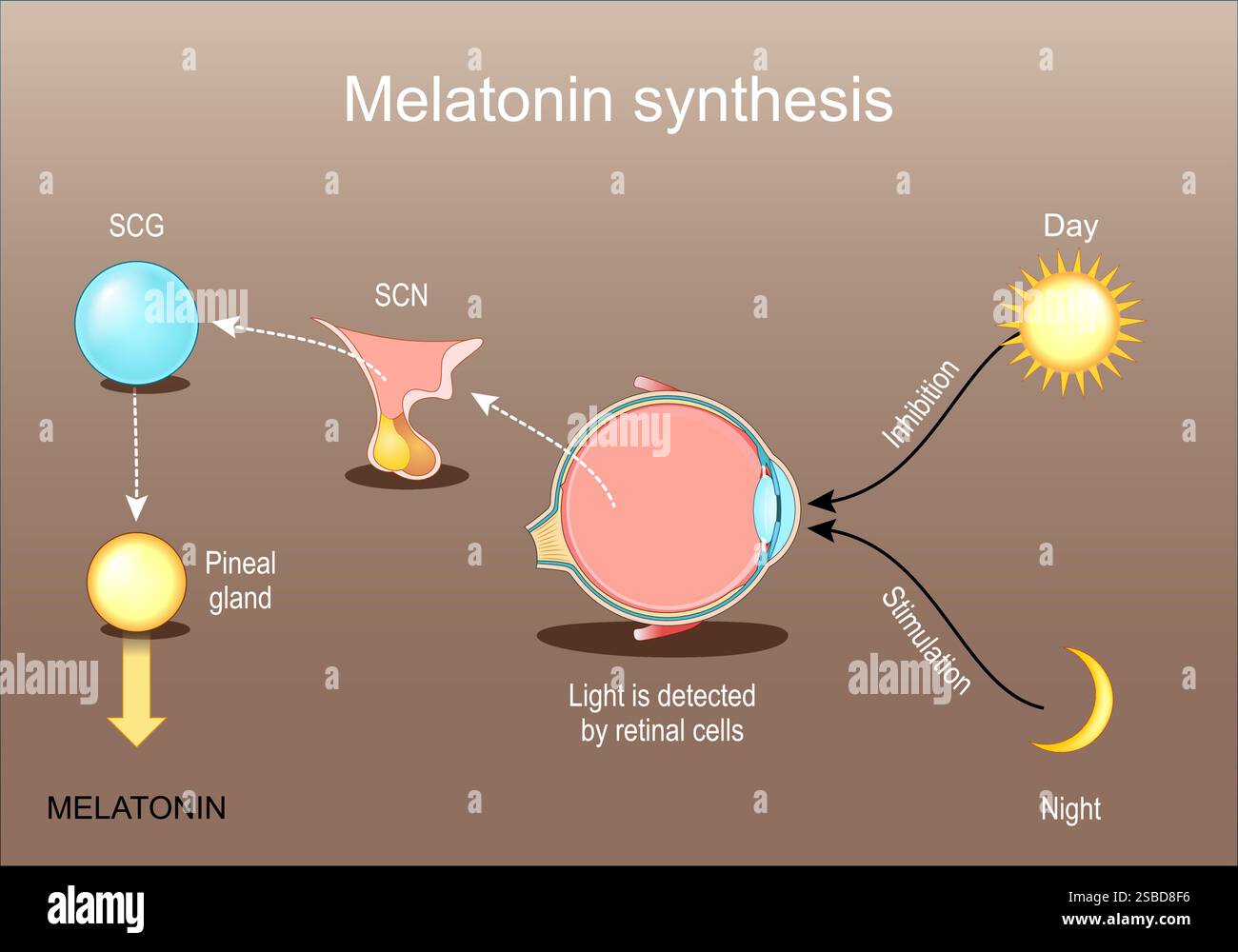
Another subtle point: the pineal gland does not release melatonin in a vacuum. It responds to signals relayed through pathways influenced by retinal light detection. Darkness permits melatonin production; light—especially blue-rich light—can suppress it. That suppression is why “screen glow” late at night can feel like an argument against bedtime.
Sunlight’s role here is indirect but vital. By establishing a clear day-night contrast, sunlight improves the odds that your biological clock will produce melatonin when it should, rather than too early, too late, or in a jittery pattern.
How sunlight helps set the rhythm: the circadian contrast effect
Your circadian system thrives on contrast. Morning light informs “day,” evening darkness informs “night.” When this contrast is strong, melatonin follows a smoother ramp—rising as evening arrives, then tapering during the day. Sunlight is the high-quality cue that anchors this contrast, especially when exposure occurs earlier in the day.
Many people attempt melatonin strategies by taking supplements or dimming lights after sunset. Those can help. But the deeper lever is upstream: getting enough bright outdoor light in the morning or early afternoon tends to reinforce circadian alignment. The body learns the pattern: wake first, night later.
There’s also a psychological dimension. After a long stretch of low daytime brightness, the brain can feel like it’s operating with incomplete sensory coordinates. That uncertainty can translate into restlessness at night, even if you’re physically tired.
The vitamin D–melatonin connection: synergy, not rivalry
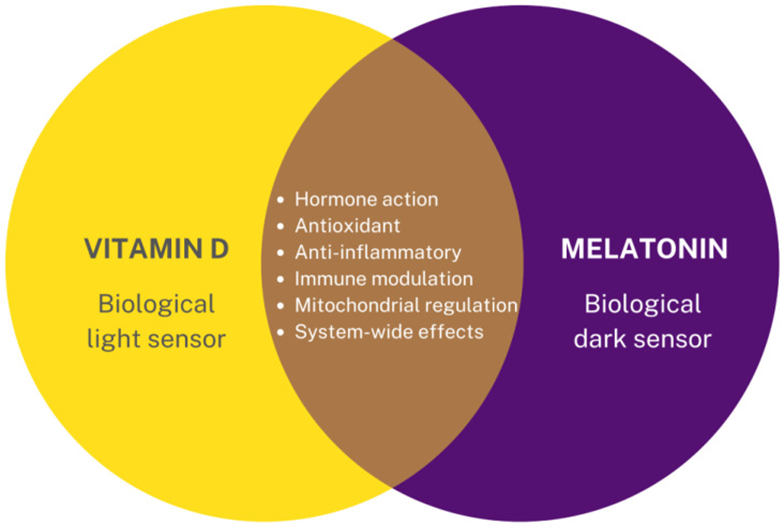
Vitamin D and melatonin are often discussed as though they exist in separate compartments—one for daytime wellness and one for nighttime sleep. Yet they share a more intricate relationship. Both interact with broader regulatory networks involving inflammation signaling, oxidative balance, and cellular stress responses.
Melatonin has antioxidant properties and participates in immune modulation. Vitamin D also influences immune pathways and inflammatory tone. When sunlight supports healthy vitamin D status, it may indirectly support conditions that favor restorative sleep—less inflammatory “noise,” smoother metabolic steadiness, and a nervous system that can downshift more efficiently at night.
Crucially, this is not a simple “more sunlight equals more melatonin.” Melatonin is suppressed by light; vitamin D production requires light. The balance is therefore about timing. Daylight can help vitamin D and circadian alignment without ruining melatonin, as long as the light cue is appropriately placed in the daytime window and followed by real darkness at night.
 Common pitfalls: the modern light trap
One of the most common observations in modern life is that people can feel tired even after a full day of activity. Often the culprit isn’t total light exposure—it’s light timing and quality. Indoor environments frequently underdeliver intensity compared to outdoor daylight. Moreover, artificial lighting can remain bright or blue-heavy late into the evening.
So you may be “getting sun” only in a partial sense: enough to be warm, but not enough to calibrate vitamin D, and not enough to establish a robust circadian contrast window. Meanwhile, screens and indoor LEDs may continue to signal “day” when the body is trying to transition into “night.”
Another pitfall involves supplements. Vitamin D supplements can correct deficiency, but they do not replace the circadian cue of morning outdoor brightness. Conversely, melatonin can shift sleep timing, but it doesn’t substitute for daylight-driven circadian entrainment. The fascination is how both levers are needed, yet each plays a different role in the orchestra.
Practical harmony: how to use sunlight without upsetting melatonin
To support vitamin D balance and melatonin timing, aim for a rhythm rather than a one-off event. Seek outdoor light earlier in the day when possible—especially in the morning. This supports circadian entrainment and improves the likelihood of a stable melatonin curve later.
Then protect the night. Dim lights as evening approaches. Reduce bright overhead lighting and minimize blue-rich exposure. If you use screens, consider night-shift modes or screen filters, and keep the glow lower and farther. Your goal is not deprivation—it’s a clean signal.
For vitamin D, consider personal factors such as skin type, latitude, and season. Some people may benefit from dietary sources or supplementation, particularly when winter sun is weak. Yet even when supplements are used, outdoor daylight remains valuable for circadian timing and overall rhythm integrity.
When to take deeper action: signs your rhythm needs attention
Sleep disruption can be caused by many forces—stress, caffeine timing, sleep apnea, medication side effects, and irregular schedules. Still, sunlight-related imbalance may be suspected when there is consistent difficulty falling asleep, frequent awakenings, or a persistent “second wind” at night that doesn’t match fatigue.
Vitamin D deficiency may present with vague symptoms such as low mood, muscle discomfort, or generalized fatigue, but it’s often confirmed through testing rather than guesswork. A clinician-guided approach helps prevent overcorrection and ensures safety, especially when supplementation is considered.
The most hopeful perspective is that the body’s rhythms are adaptable. Sunlight offers a renewable coaching system: day cues for the clock, and night darkness for the melatonin messenger. When timing becomes intentional, sleep often feels less like a negotiation and more like a natural return.
Closing reflection: the elegance of day-to-night translation
Sunlight is not just a resource—it is a narrative the body reads. By providing daylight at the right time, you help write the chapter of waking. By honoring darkness in the evening, you allow the chapter of sleep to arrive with fluent, synchronized meaning. Vitamin D and melatonin may have different jobs, but their coexistence reveals something beautiful: biology doesn’t require you to choose between wellness and rest. It asks you to sequence them.
-200x112.jpg "天気による1日の気温の変化(問題)")