Vitamin D is often discussed as a sun-and-bones nutrient, yet for people dealing with acid reflux or gastritis, the timing and “delivery method” matter just as much as the dose. The digestive tract is temperamental—especially when stomach acid runs too high or the lining becomes inflamed. The best time to take vitamin D can be the difference between a supplement that feels almost invisible and one that seems to aggravate burning, nausea, or that sour, metallic aftertaste. This guide walks through practical timing strategies, supplement types to consider, and how to create a calmer routine—without guessing.
Why Acid Reflux and Gastritis Change the Vitamin D Equation
Reflux and gastritis share a common theme: the stomach’s environment is not always neutral. Gastritis involves irritation or inflammation of the gastric mucosa, while reflux reflects an interplay between gastric pressure, esophageal sphincter control, and acid exposure. When you take any supplement, you’re asking your stomach to process an additional load—sometimes with particulates, alcohols, or concentrated oils that can be irritating.
Vitamin D is fat-soluble, which is important. Fat-soluble nutrients usually benefit from dietary fat, but that also means some vitamin D formats may feel heavier or more “greasy” if taken at the wrong moment. Timing, food pairing, and the formulation can all influence comfort.
The Golden Rule: Take Vitamin D With a Meal—Not on an Empty Stomach
For most people with reflux or gastritis, vitamin D is best taken during or immediately after eating. A meal cushions the stomach lining and can reduce the chance that the supplement sits like an irritant in an overly acidic environment. Short sentence, practical meaning: food is a buffer.
Choose a meal that doesn’t trigger you personally. If fatty foods intensify your reflux, pair vitamin D with a modest portion of fat rather than a heavy, greasy plate. Think “gentle, not excessive.” If you’re already sensitive to dairy, consider a meal that uses alternatives you tolerate well.
Morning vs. Evening: Which Is More Likely to Feel Comfortable?
There isn’t a universal winner, because reflux patterns vary by lifestyle, sleep position, medication schedules, and the timing of meals. Still, you can reason about it.
Morning dosing often works well because you’re upright and eating patterns are consistent. Early dosing may also align with how some people take other supplements. If reflux tends to worsen later in the day, morning is frequently the calmer choice.
Evening dosing can be helpful if it’s taken with dinner and not too close to bedtime. A long sentence with a clear endpoint: aim for a buffer window of at least a few hours between the supplement and lying down. Short sentence for emphasis: don’t “stack” it right before sleep.
If you notice that evening vitamin D correlates with nighttime symptoms, adjust—either move it to lunch or take it earlier in the day. Keep the change modest, then observe for several days.
Best Timing in Relation to Proton Pump Inhibitors and H2 Blockers
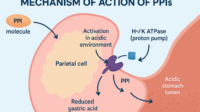
Many patients with gastritis or reflux use acid-reducing medication such as proton pump inhibitors (PPIs) or H2 blockers. These medications alter stomach acidity, which can affect how certain compounds are tolerated.
Vitamin D is not typically the supplement most likely to conflict with acid reducers, but your routine timing still matters. A common approach is to take vitamin D with food later in the day, while PPIs are taken according to the prescribed schedule. Long story, short conclusion: separate vitamin D from the moment you take your acid medicine if you’ve found symptoms cluster around that time.
If you take multiple doses daily, consider creating a “spacing ritual.” It reduces sensory overload and helps your stomach learn a predictable pattern.
Choosing the Right Form: Oil Capsules, Softgels, Drops, and Gummies
Vitamin D can come as capsules, softgels, liquid drops, or chewables. For reflux- and gastritis-prone stomachs, the formulation may matter as much as the time.
Softgels and oil-based capsules often require fat for optimal absorption. However, they can feel heavy for some people. If oil-based forms trigger you, consider taking them with a measured meal and avoid chugging them with acidic drinks.
Liquid drops can offer dosing flexibility, but the carrier oil and any added flavorings may influence tolerance. If reflux is triggered by minty or citrusy additives, opt for a simpler formulation if available. Uncommon terminology, practical benefit: you’re minimizing “organoleptic stress,” meaning the sensory burden that can provoke symptoms.
Chewables or gummies may be convenient, yet they can be problematic for some due to sugar alcohols, acidity in coatings, or flavoring agents. If your gastritis is reactive to sweet or acidic notes, treat gummies cautiously.
Dose Timing vs. Dose Amount: The Absorption Paradox
Vitamin D’s fat-soluble nature introduces a paradox: larger doses aren’t always “better tolerated.” Some people use high-dose schedules (weekly or monthly). While these can improve lab values, a bolus dose may occasionally worsen digestive discomfort—even if it’s not common.
In reflux or gastritis, it’s often wiser to consider steady dosing paired with meals rather than dramatic spikes, unless a clinician has prescribed otherwise. A short sentence: tolerance is part of efficacy. If symptoms appear after changing your dose frequency, revert and reassess.
How to Build a “Reflux-Friendly” Routine
A routine can become an anti-symptom choreography. Start with consistency: same meal, same timing, same formulation. Next, control the context. Avoid taking vitamin D with foods that are known triggers for you—spicy dishes, tomato-heavy sauces, very acidic citrus, or late-night greasy meals.
Then add small techniques: take the supplement with a full glass of water (not sparkling), sit upright for 15–30 minutes, and avoid vigorous bending afterward. Long sentence, useful endpoint: aim to reduce reflux mechanics while maximizing stomach calmness.
If you experience nausea, consider taking vitamin D after the main portion of the meal rather than at the very beginning. Some people find that “post-meal” timing feels smoother.
Foods That Pair Well (and Those That Don’t)
Because vitamin D likes dietary fat, pairing it with tolerable fats can improve absorption without causing gastric rebellion. Choose gentle fats: a small amount of olive oil, a few nuts if you tolerate them, or a modest serving of avocado. If dairy triggers you, select dairy-free meals.
Foods to be cautious with include those that are acidic or highly seasoned. Even when vitamin D is taken correctly, pairing it with a trigger meal can create the illusion that vitamin D is the culprit.
A useful habit: keep a simple symptom log for 1–2 weeks—timing, dose, meal type, and severity. Patterns emerge quickly.
Signs Your Timing or Form Needs Adjustment
Some signals are subtle. You might notice early fullness, throat irritation, burping, or a sour taste after dosing. These don’t always mean you must stop vitamin D, but they do mean the routine needs tailoring.
Consider switching timing first: morning to midday, or dinner to lunch. If timing doesn’t help, consider formulation changes: oil-based to a different carrier, drops with different additives, or a lower-irritation option if available.
If symptoms escalate, especially with vomiting, severe pain, or unintentional weight loss, seek medical guidance promptly. Reflux and gastritis can overlap with other conditions, and persistent symptoms deserve proper evaluation.
When to Check Labs and Talk With a Clinician
Vitamin D effectiveness is best judged by blood levels, not by hope. If you’re taking vitamin D for deficiency or prevention, periodic lab testing can clarify whether your dose and timing are working. Long sentence, essential point: digestion affects tolerance, but vitamin D status affects outcomes like bone health and immune regulation.
Discuss your reflux or gastritis with a clinician before major dose changes. They may recommend an approach that balances absorption, symptom control, and medical history. If you take calcium supplements as well, coordinate the schedule, since calcium can sometimes be irritating for sensitive stomachs.
Practical Bottom Line: The Most Likely Best Time for Many People
For most individuals with acid reflux or gastritis, vitamin D is most tolerable when taken with a meal, ideally earlier in the day if symptoms worsen at night, and with a comfortable formulation that doesn’t “feel oily,” overly sweet, or strongly flavored. A steady routine beats a chaotic one. Food beats fasting. Upright posture beats immeditate lying down.
If you want a starting plan, begin with vitamin D during or right after lunch for one to two weeks, using your most reflux-friendly meal, then adjust based on how your body responds. Your stomach is not a laboratory instrument—it’s a living negotiation. When timing and formulation align, vitamin D can become part of your wellness rhythm instead of a trigger for discomfort.

-200x112.jpg "天気による1日の気温の変化(問題)")