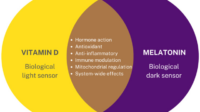
Sleep is a nighttime symphony: melatonin is often the conductor, vitamin D is the atmospheric tuning fork. Together, they can influence when the body feels ready to rest, how deeply it sinks into recovery, and how steadily its internal clock keeps time. Yet their relationship is more nuanced than a simple “more is better” equation. Think of vitamin D as sunlight’s delayed echo—present during the day, felt at night—while melatonin acts like a lantern that signals, “Lights low; let the brain begin its quiet housekeeping.” When these signals align, sleep may come more readily. When they clash, the same bedroom can feel like a stage where the actors arrive out of order.
Vitamin D and the circadian orchestra
Vitamin D is often discussed in the context of bones and immunity, but its influence extends into the realm of circadian biology. Your body uses a molecular calendar to schedule cellular repair, hormone release, and neural plasticity. Vitamin D can interact with this calendar by influencing gene expression pathways tied to sleep-wake timing.
In metaphor terms, vitamin D is the orchestra’s tuning standard. Even with a perfect conductor, if the instruments are slightly out of pitch, the performance wobbles. A low vitamin D status may shift the rhythm: not necessarily eliminating sleep, but sometimes changing its choreography—earlier awakenings, fragmented rest, or a diminished sense of nocturnal smoothness.
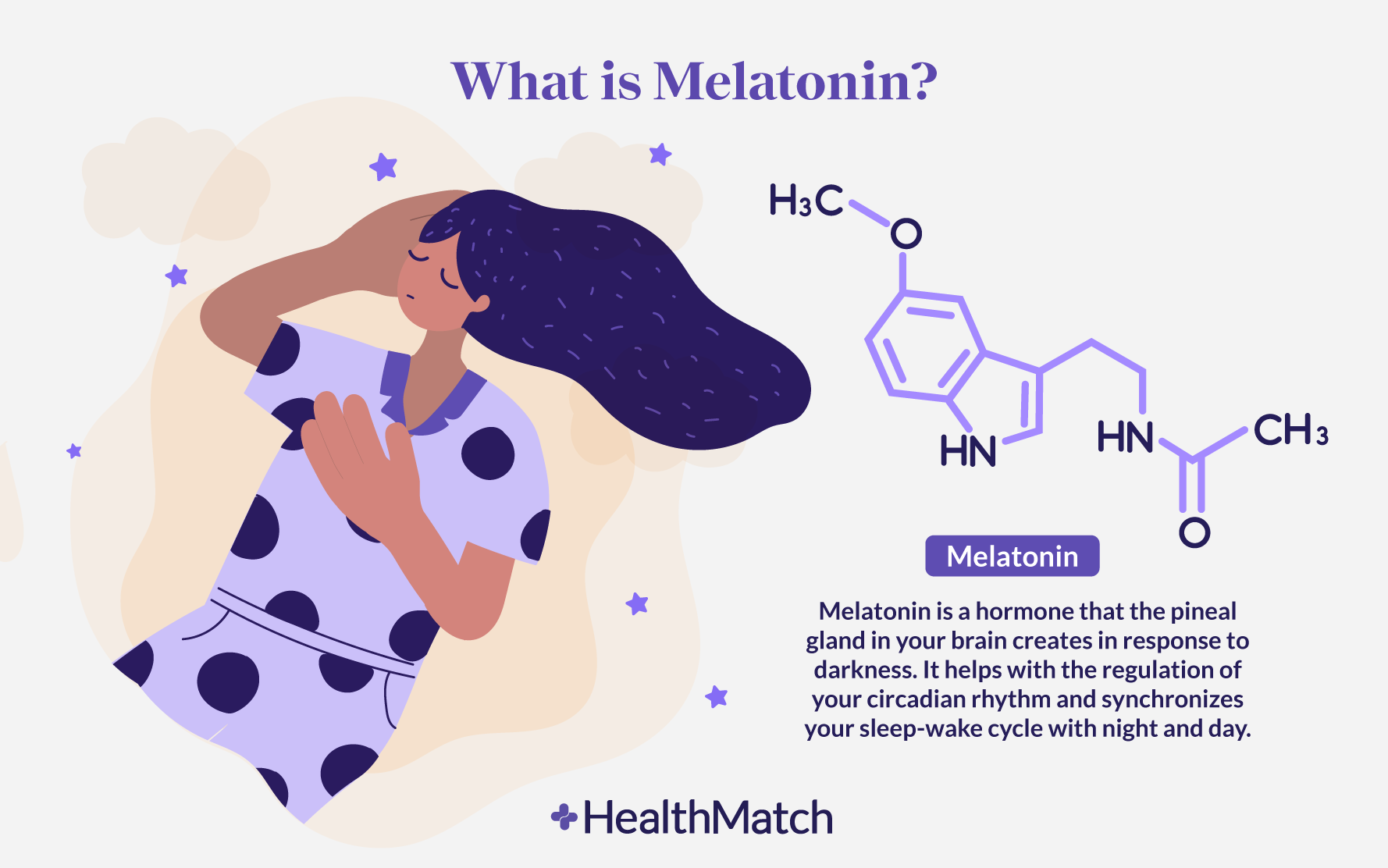
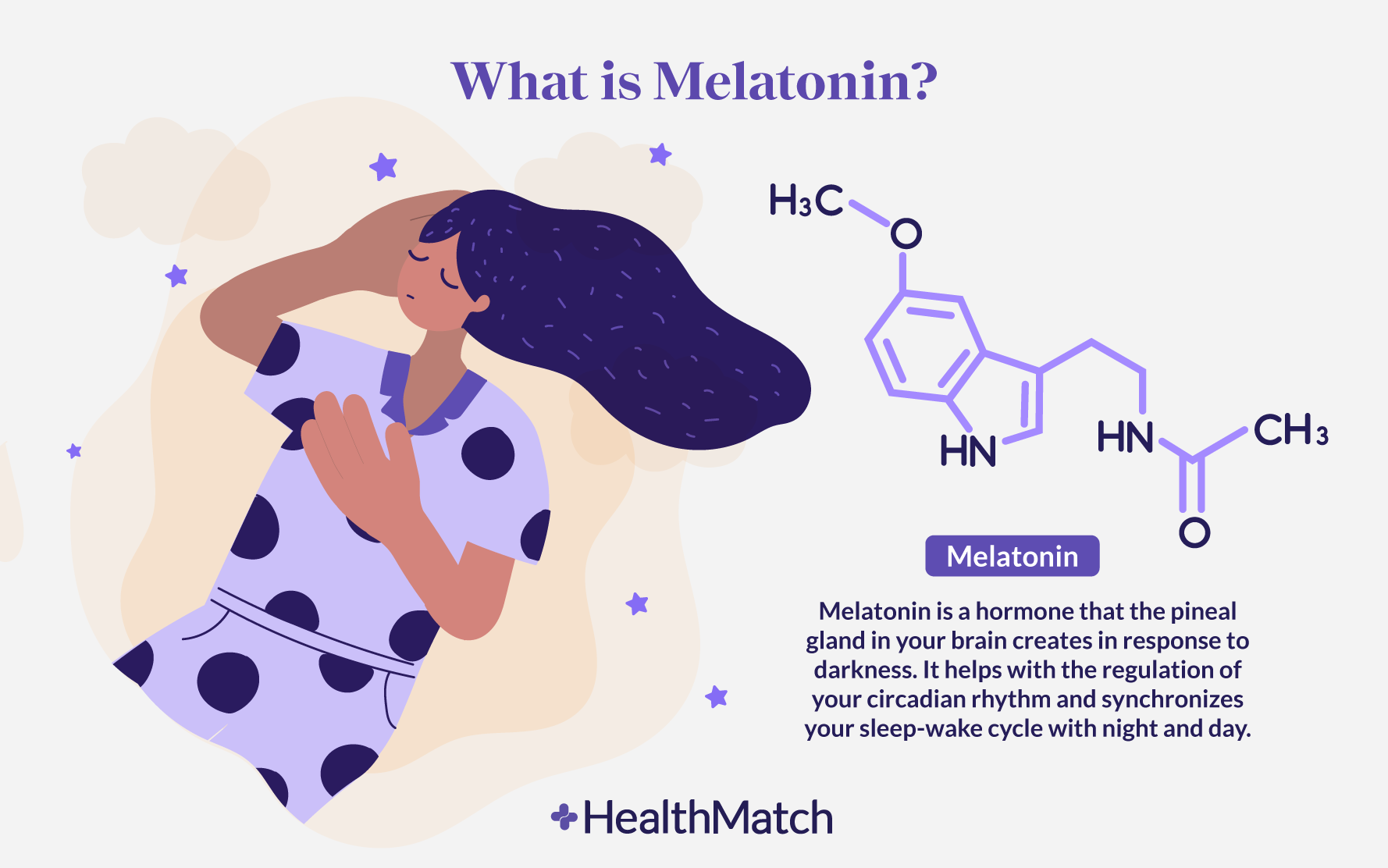
Melatonin, meanwhile, is the conductor’s cue for the “night movement.” It tells the brain that darkness has arrived. When vitamin D supports healthy circadian regulation, melatonin’s signal can be interpreted with greater coherence.
Melatonin: the signal, not the sedative
Melatonin is sometimes described as a sleep aid, but it functions more like a chronobiotic—an agent that helps entrain timing. It doesn’t always “knock you out.” Instead, it nudges the internal clock toward evening readiness. Picture melatonin as a dimmer switch. The goal is not blinding brightness, but the gentle reduction of mental glare.
Different formulations—tablets, sprays, and even topical or bath-adjacent products—may influence how quickly the body perceives that dimmer effect. A rapid-acting delivery can feel like switching on a night light for the brain; a slower delivery can resemble a warm, steady twilight.

Where they intersect: light, mood, and neural signaling
Vitamin D is intimately linked to light exposure, and light is the master clock’s raw ingredient. Daylight governs circadian rhythms through the retina and downstream signaling. Vitamin D, formed through sunlight, becomes a biochemical souvenir of that daylight. This matters because melatonin is fundamentally a response to darkness.
When daylight-derived vitamin D is adequate, the system may be better at translating the day-night contrast into stable nightly hormone patterns. That stability can make melatonin supplementation feel more “matched” to your biology.
There’s also a mood component. Melatonin and vitamin D both connect—directly or indirectly—to neurochemical pathways that influence stress reactivity. Sleep isn’t merely the absence of wakefulness; it is the presence of regulation. The brain that feels safer and less inflamed may accept melatonin cues with less resistance.
Timing matters: the choreography of dosing
Vitamin D supplementation is usually taken during the day—often with meals—because it’s meant to replenish stores rather than “switch on” immediate sedation. Melatonin, by contrast, is typically used closer to bedtime to signal nightfall.
The metaphor here is choreography with two different rehearsals. Vitamin D is a long-term rehearsal schedule that ensures the dancers practice with the right endurance and balance. Melatonin is the opening act timing—when the curtain rises, when the audience leans forward, when the stage becomes quiet enough for rest.
If vitamin D is deficient, melatonin may still help with sleep timing, but the overall system may remain slightly off-tempo. Conversely, adequate vitamin D can create a sturdier backdrop, allowing melatonin’s cue to land cleanly.
However, “more timing” can be a trap. Taking melatonin too early or at unnecessarily high doses may cause lingering grogginess or shift rhythms in the wrong direction. Adequate vitamin D can support rhythm quality, but it doesn’t mean melatonin should be used indiscriminately.
Formulations of melatonin: matching texture to need
Melatonin appears in tablets, sprays, and other delivery formats. Delivery can influence onset and perceived smoothness. For some people, a spray may feel more immediate, like a quick whisper to the nervous system. Tablets may feel more gradual, like a slow tide.
These differences matter because sleep initiation and sleep maintenance are not identical problems. If the issue is trouble falling asleep, a faster-onset melatonin might be preferred—under appropriate guidance. If the issue is frequent awakenings, the strategy may shift, and the role of vitamin D in supporting stable circadian regulation becomes more compelling.

Immune inflammation and night repair
Sleep is deeply intertwined with immune function and inflammatory signaling. Vitamin D participates in immune modulation, which can influence how the body handles inflammatory “noise.” Melatonin also has receptor-mediated effects that relate to oxidative stress and immune signaling.
Imagine bedtime as a repair workshop. In a calmer workshop, tools move more smoothly, and mending happens efficiently. Vitamin D may reduce the “buzz” of inflammatory activity; melatonin may help coordinate repair processes during the night. Together, they can support a nightly maintenance cycle—especially valuable for people whose sleep is disrupted by stress, seasonal changes, or underlying inflammatory tendencies.
Safety, contraindications, and the cautious handshake
The interaction between vitamin D and melatonin is not automatically hazardous, but supplementing always deserves a careful handshake with reality. Vitamin D can be fat-soluble and accumulate. Melatonin can affect timing and, in some people, cause next-day drowsiness or vivid dreams. If you take other medications—particularly those affecting mood, blood pressure, seizures, anticoagulation, or hormone pathways—consult a clinician before combining strategies.
Also consider conditions such as thyroid disorders, autoimmune disease, or chronic kidney problems, where vitamin D handling may differ. Melatonin may also be inappropriate for certain scenarios, including specific pregnancy or breastfeeding circumstances.
With responsible use, vitamin D’s role is usually steadying and supportive; melatonin’s role is usually temporal. That distinction helps prevent the common mistake of treating both as identical “sleep switches.”
What to look for: signs that the pairing is working
When vitamin D status is adequate and melatonin is used appropriately, sleep may shift from a struggle to a process. People often describe: faster sleep onset, fewer midnight awakenings, smoother transitions between sleep stages, and a more consistent morning wake experience.
Long sentences sometimes hide the simplest truth: the body tells you. Mood stability, reduced evening tension, and less “internal chatter” often accompany better sleep coordination. If supplementation worsens symptoms—fatigue during the day, persistent grogginess, or a delayed sleep phase—it may signal that timing or dosing needs adjustment.
For vitamin D, improvement may be subtle and gradual, reflecting replenishment rather than instant effect. For melatonin, changes can appear more quickly, especially in the first few nights.
A unique appeal: alignment rather than escalation
The most intriguing aspect of vitamin D and melatonin isn’t that they act like two identical tools. It’s that they behave like two different kinds of harmony: vitamin D strengthens the background acoustics—light-derived regulation, immune calm, circadian steadiness—while melatonin sharpens the night signal. When those harmonies align, sleep can feel less like an outcome you chase and more like a rhythm you enter.
In the end, think of sleep as a bridge. Vitamin D may help build the foundation—sturdy, day-sculpted, biochemical. Melatonin may light the path at dusk—clear, time-specific, gentle guidance. Together, they can transform the bedroom from a battleground into a refuge, where rest arrives not as a mystery, but as a meaningful, coordinated event.
-200x112.jpg "天気による1日の気温の変化(問題)")