Vitamin D is one of those quiet, background nutrients—essential, yet often misunderstood. People feel it in subtler ways: immune resilience, mood steadiness, muscle function, and the unglamorous but critical work of calcium absorption. Still, if you’ve ever wondered whether there’s a “right time” to take a Vitamin D supplement, you’re not alone. The answer isn’t simply “morning or night.” It’s a choreography influenced by your lifestyle, your dosing form, your meal habits, and even your circadian rhythm.
Why timing feels complicated (but doesn’t have to be)
Vitamin D isn’t like caffeine. It doesn’t create an immediate “lift” that fades within hours. Instead, its benefits emerge over weeks as levels stabilize and tissues become better equipped. That long-game nature makes timing feel less dramatic—yet timing still matters because absorption is affected by what’s happening in your digestive system and how your body processes lipids and fat-soluble vitamins.
Vitamin D is fat-soluble, meaning it tends to ride along with dietary fats. So the question becomes: when is your body best prepared to absorb a fat-soluble compound? Often, the most consistent window is during or shortly after a meal, especially one that includes some fat. But your personal schedule can modify the odds.
The “sweet spot”: meals and fat-containing routines
For many people, the best time of day is linked to the timing of their largest or most balanced meal. When you take Vitamin D with food, absorption can improve—especially if the meal contains dietary fat. This doesn’t mean you need to eat a heavy, greasy breakfast. It simply means your gut is more “receptive” when digestion is already in motion.
Think of your digestive tract like a backstage crew. If you arrive when the curtain is already rising—meals being digested, bile released, nutrients moving—you’re more likely to get smooth stage entrance for Vitamin D.

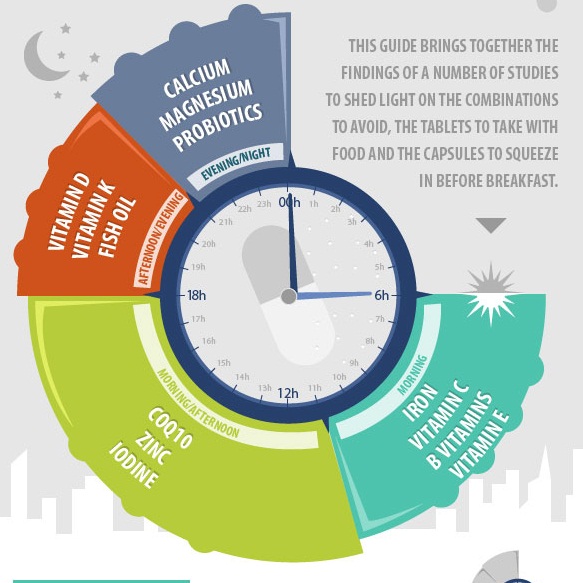
Morning dosing: benefits for consistency and momentum
Morning can be a surprisingly elegant option. After all, habits form faster when they’re anchored to a daily ritual. Taking Vitamin D in the morning often means you remember it. There’s also a psychological advantage: completing your supplement routine early can reduce “decision fatigue” later in the day.
From a physiology standpoint, morning dosing may pair well with daytime activities that depend on energy, balance, and coordination. Some people report that morning helps the supplement feel less intrusive—less likely to conflict with evening routines.
If you choose morning, aim for with breakfast or just after it. If breakfast is typically light or skipped, your absorption may be less robust than it would be after lunch or dinner.
Afternoon and lunch: when your routine matches your absorption window
Lunch often provides a practical compromise. It’s middle-of-day, usually less chaotic than mornings, and frequently paired with food that includes fats. If your breakfast is inconsistent, lunch can become the reliable “absorption anchor.”
There’s another subtle reason: by the afternoon, many people have steadier digestive patterns. Stress levels, hydration routines, and meal timing may be more predictable, all of which can influence how steadily the body processes nutrients.
If you’re the kind of person who forgets supplements unless they’re tied to a specific event, “after lunch” can become a dependable trigger. Short and long sentences both matter here: a consistent time is often more valuable than a theoretical perfect hour.
Evening dosing: what to consider before bedtime
Night dosing is common, and for some, it’s the easiest to remember. If you eat dinner at a consistent time, taking Vitamin D afterward can be a natural fit—especially for people who dislike morning pills or who have schedules that make breakfast unreliable.
However, evening dosing invites a more careful consideration of your personal routine. If you take supplements late, and then snack lightly or lie down soon after eating, you may experience digestive discomfort. Vitamin D itself isn’t notorious for causing trouble, but the overall digestive pattern matters.
For those who already take other fat-containing supplements, evening can consolidate your regimen into a single meal-based window. That said, if your stomach is sensitive at night, consider dinner with a brief buffer—taking it soon after finishing rather than right before bed.
How different forms of Vitamin D can shape timing
Not all Vitamin D supplements behave identically. The form—capsule, softgel, gummy, liquid—can affect absorption and tolerability. Softgels and liquid formulations often include fats (or are designed to dissolve in lipid environments), which can make meal timing especially important.
If your supplement is oil-based or softgel-driven, taking it with food is often advantageous. If it’s a gummy, absorption may still benefit from a meal, though gummies sometimes include sweeteners that change how quickly you feel satiated—so choose timing based on your digestion comfort.

Daily consistency beats “perfect timing”
Vitamin D is typically taken daily or near-daily because stability matters. A missed day is not a disaster. Still, sporadic dosing makes it harder to maintain steady levels. So while timing influences absorption, consistency influences outcomes.
Instead of chasing an ideal hour, build a reliable rhythm. Choose a meal window you can repeat without negotiating with your calendar every day. When life changes—travel, overtime, shifting sleep—use the “closest meal anchor” rather than skipping. Your body prefers patterns, not surprises.
Higher doses, deficiency treatment, and clinician-led strategies
If you’re taking Vitamin D to correct a deficiency or after a clinician has measured low levels, your plan may involve higher doses for a limited period. In those cases, timing may still follow meal-based absorption logic, but dosing schedules can be more structured—sometimes daily, sometimes weekly, depending on the treatment protocol.
Even when dosing is less frequent, taking it with a meal containing fat can still support absorption. The key is to follow the specific directive for your dose and frequency. Supplements are powerful, yet they should be used with the right guardrails.
Common timing mistakes to avoid
Some habits quietly undermine your efforts. Taking Vitamin D on an empty stomach is the most common misstep, especially if you consistently eat low-fat meals. Another mistake is scattering multiple doses across the day, hoping to “maximize absorption.” For most people, that approach creates complexity without improving the underlying goal.
It’s also easy to forget that Vitamin D interacts with your broader nutrient ecosystem. Your supplement may work better when you’re not depleted in related nutrients—particularly those involved in bone metabolism and magnesium status. Timing helps absorption; overall nutritional sufficiency supports the downstream utilization.
What “best time” means for different lifestyles
Not everyone has a standard 8-to-5 rhythm. If you work nights, sleep mornings, and eat at irregular intervals, timing should follow your personal meal cycle. The best time is when you’re actually eating and your body is primed for digestion.
If you’re a person who eats two meals a day, consider timing your dose around your more substantial meal. If you eat three meals, you can align dosing with the most fat-containing one. If you snack frequently, you can still use the nearest substantial eating window rather than a random “snack moment.”

How to personalize your choice: a practical decision framework
Choose your best time using three questions. First: When do I reliably eat? Second: Which meal includes some dietary fat? Third: When will I remember consistently? Answer these, and your “best time” usually becomes obvious.
Then refine based on comfort. If you feel mild nausea or stomach churn at a certain time, adjust. If your routine changes, move the dose to the closest meal anchor. Keep the same frequency unless you’re following a specific treatment plan.
Bottom line: the most effective timing is the one you can sustain
The best time of day to take Vitamin D supplements is typically during or right after a meal—especially one that includes fat—because absorption is more likely to be efficient. Morning, lunch, or evening can all work. The winner is the timing that matches your schedule, supports consistent ingestion, and keeps your digestive experience comfortable.
Vitamin D rewards consistency. So pick your window, treat it like a daily appointment, and let your routine do the heavy lifting.