There’s a particular kind of curiosity that settles in once someone starts Mounjaro. It begins as a practical question—what can be taken alongside tirzepatide?—and gradually transforms into something more intimate. People want to feel steadier. They want their bodies to make sense. And somewhere in that process, vitamin D enters the conversation like an unlikely co-conspirator: quiet, ubiquitous, and sometimes surprisingly consequential. Reddit reviews don’t read like clinical charts. They read like lived weather—hopeful mornings, baffling plateaus, and those moments when a supplement feels less like an add-on and more like a shift in perspective.
The First Spark: Why Vitamin D Shows Up in Mounjaro Discussions
Vitamin D rarely appears as a headline. It’s the background character in many wellness narratives—until someone on Mounjaro mentions fatigue that doesn’t quite behave, aches that linger, or mood that seems oddly muted. Then vitamin D becomes a question with teeth.
In these reviews, the initial motivation is often simple: “I started Mounjaro, and I wondered whether my vitamin D status could be influencing how I feel.” That wording matters. It’s not only about correcting a deficiency; it’s about restoring coherence. People describe the supplement as a lens that helps them interpret their own bodies—muscles, energy, and even the emotional weather that accompanies weight loss.
There’s also a psychological component. When you begin a medication like Mounjaro, routines rearrange themselves. Food changes. Appetite changes. Sleep sometimes changes. So it’s natural to look for a stabilizing variable—something consistent, measurable, and hopeful. Vitamin D is one of those rare candidates.

Energy, Not Excitement: The Most Common “Feeling” Reports
One of the most frequently repeated themes is subtle rather than dramatic. People don’t always report immediate fireworks. Instead, they describe a creeping improvement—like a dimmer switch turning up the baseline.
Some reviewers mention reduced fatigue after a few weeks. Others frame it as improved “get-up-and-go,” not in a stimulant way, but in a steadier, less fragile way. The difference is frequently described as an ability to handle daily life without feeling like they’re running on low battery.
What’s interesting is how many people connect energy changes to cognition. They talk about being more present, less foggy, and more able to follow through. It’s not just a physical effect. It’s a perception shift: they begin to feel like their body is cooperating rather than negotiating.
Of course, not every review is uniform. Some report no noticeable transformation, and a few mention that it took longer than expected. That variation, however, adds credibility. Bodies aren’t identical systems; they’re living ecosystems.
Mood and Motivation: The “Perspective Shift” Nobody Expected
If there’s a surprise in Reddit-style storytelling, it’s how often vitamin D is tied to mood. Not in the simplistic “take it, feel amazing” manner. More like: “I didn’t realize how much my mood was being affected until it started to improve.”
People use language that suggests emotional lubrication—less resistance to movement, fewer days when motivation feels like a locked door. Some describe a calmer mental cadence. Others mention less irritability, or a quieter intensity. One review might say the emotional fog thinned. Another might say they felt “more like themselves,” which is an arresting phrase, because it implies identity restoration rather than symptom management alone.
This is where the narrative often becomes curious. People begin to wonder whether they were compensating psychologically for a physiological imbalance. They start asking questions: Was their baseline energy lower than they assumed? Did low vitamin D make everything feel heavier? Did Mounjaro change their routines enough to expose a previously unnoticed deficiency?
Muscle Comfort and the Echo of Deficiency
Mounjaro can change the way you eat, and with that, the way your body responds to training, rest, and recovery. Vitamin D gets woven into that story through muscle comfort—aches, soreness, and a sense of physical fragility.
In reviews, the improvement (when reported) tends to sound functional. People say they can move more comfortably. They mention less “creakiness,” fewer nagging pains, or better tolerance for workouts. The language varies, but the pattern is similar: vitamin D is described as something that helps the musculoskeletal system feel less stingy.
There’s also an almost investigative tone. Some reviewers frame supplementation as a hypothesis they tested, rather than a blind belief. They take the supplement, monitor how they feel, and compare it to how they felt before. That approach turns vitamin D into a personal experiment—one that nudges readers toward curiosity instead of certainty.
Choosing Forms: Gummies, Drops, Capsules, and the Ritual Effect
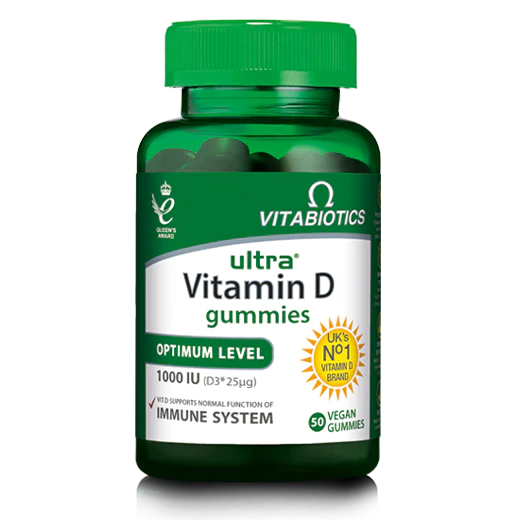
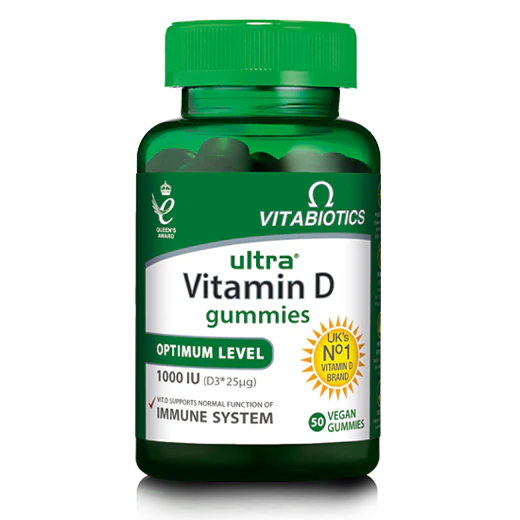
Not all vitamin D supplements land the same way. Gummies are popular because they feel friendly—an easy, almost snack-like commitment. Drops can feel more customizable. Capsules may feel more clinical and precise.
But reviews also highlight something less obvious: ritual. People talk about taking vitamin D at a consistent time, pairing it with breakfast, or treating it like a small anchor during the flux of Mounjaro onboarding. That daily repetition can make the supplement feel purposeful, even if the biochemical impact is gradual.
One reviewer might describe gummies as “pleasantly effortless,” while another might emphasize that they prefer forms they can measure carefully. There’s no universally “best” method—only matching habits to personality and tolerance.
Dosing Details: The Tension Between Hope and Precision
Reddit reviews often reveal a delicate balancing act. People want relief, but they also want to avoid overcorrection. The supplement world has plenty of myths; the most repeated wisdom is that vitamin D should be taken thoughtfully.
Many users speak about dosing with a kind of cautious reverence. They ask whether their dose matches what their body needs. Some mention checking labs. Others simply start with a conservative approach and reassess later.
In the narrative tone of reviews, dosing becomes part of the emotional arc. Starting too high can feel like unnecessary risk. Starting too low can feel like waiting in silence. So people try to find the “sweet spot”—a dose that feels reasonable, sustainable, and aligned with their expectations.
Even when someone doesn’t report dramatic change, they often still describe the experience as educational. They learn how long effects might take. They learn what their baseline feels like. They learn to differentiate between appetite changes from medication and energy changes from nutrition.
What About Weight Loss? Separating Momentum from Mechanism
It’s tempting to connect every positive shift to vitamin D. But reviews often become surprisingly discerning here. People recognize that Mounjaro drives the primary weight-loss trajectory. Vitamin D, on the other hand, may influence how it feels to inhabit that trajectory—how steady energy is, how comfortable movement becomes, and how resilient the mind feels during transitions.
Some reviewers explicitly disentangle outcomes: “My weight change is from Mounjaro, but my day-to-day tolerance improved after vitamin D.” Others describe it as a supportive rhythm rather than a direct engine.
This distinction matters because it reshapes curiosity into clarity. Instead of chasing miracles, people begin to treat supplementation like an ecosystem upgrade—small improvements that add up to a better lived experience.
The Unspoken Reality: Not Every Review Is a Win
Forums are honest in the way commercials rarely are. Some users report no obvious difference. A few describe the change as subtle enough that they couldn’t be certain it wasn’t coincidence. Others mention that their expectations were influenced by success stories.
And still, even “no change” reviews can be valuable. They discourage magical thinking. They encourage more careful monitoring and, often, lab work. The absence of dramatic results doesn’t always equal failure—it can mean vitamin D wasn’t the missing puzzle piece, or it wasn’t the immediate lever their body needed.
In that context, vitamin D becomes a lesson in humility. Hope remains, but it gains sophistication.
Curiosity Triggered: The Questions Users Start Asking After Trying It
By the end of many reviews, the supplement stops being a single event and becomes a gateway to better questions. People start asking about nutrient timing. They consider whether their diet has shifted enough to alter vitamin intake. They wonder about sun exposure, absorption, and consistency.
Some users talk about reviewing their routines the way you’d review a map when traveling—slower, more attentive, and less committed to guessing. Others mention a renewed motivation to track health markers rather than simply react to symptoms.
Then there’s the broader psychological shift: the realization that supplementation can be both practical and empowering. For someone on Mounjaro, regaining a sense of agency matters. Not because it replaces medication, but because it restores participation in the process.

How to Approach the Next Step: A Safer, Smarter Curiosity
If you’re considering vitamin D on Mounjaro, the thread running through the most compelling reviews is intentionality. People often emphasize starting thoughtfully, paying attention to response, and avoiding leap-of-faith dosing. Many recommend considering lab testing to confirm whether deficiency is present.
Ultimately, the “experience” described in these reviews is less about a single supplement and more about a new way of observing your body. Mounjaro changes appetite; vitamin D may influence the background conditions of energy, mood, and comfort. And when those shifts are noticed—even quietly—it can feel like a perspective adjustment: not just losing weight, but feeling more like your days belong to you again.