Vitamin D and metformin—often taken alongside GLP-1 receptor agonists—sit at an intriguing intersection of metabolism, inflammation, and hormonal signaling. Individually, each has a well-known résumé. Together, they may create a biochemical “feedback loop” that influences insulin sensitivity, adipose tissue behavior, and even the way the body orchestrates inflammation. For readers navigating these topics—whether from a research mindset or a practical, day-to-day wellness perspective—understanding the interaction is less about chasing a single miracle and more about recognizing a network of effects that can vary by person, dose, baseline vitamin D status, and overall metabolic context.
Why This Pairing Matters: The Metabolic Orchestra
Metformin is frequently used in type 2 diabetes and related metabolic conditions. Its primary reputation centers on improving insulin sensitivity and reducing hepatic glucose output. Vitamin D, by contrast, is often framed as a bone and calcium hormone. Yet vitamin D also functions like a molecular “switchboard operator,” modulating gene transcription involved in glucose metabolism, immune regulation, and cell differentiation.
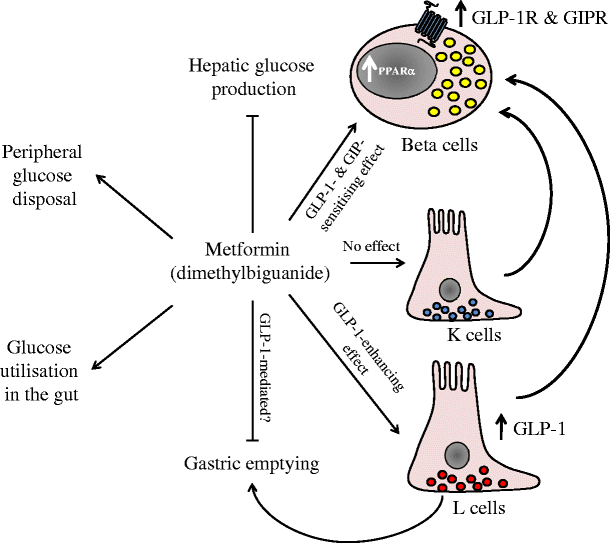
When metformin is introduced into this landscape—especially when a GLP-1 receptor agonist is also on board—the body’s metabolic circuitry becomes more dynamic. GLP-1 therapies influence appetite, gastric emptying, and glucose-dependent insulin release. The result is a layered intervention: glycemic control from multiple angles, plus potential shifts in inflammatory tone. Inflammation matters because chronic low-grade inflammation can blunt insulin signaling and worsen metabolic dysfunction.
Metformin’s Downstream Effects: More Than a Glucose-Lowering Tool
Metformin is often described as “anti-diabetic,” but its actions extend beyond glucose. It can alter cellular energy pathways, including effects related to mitochondrial function and AMP-activated protein kinase (AMPK) activity. These changes can influence how cells respond to insulin and how they handle fatty acids.
In real-world terms, that broad activity may intersect with vitamin D biology. Vitamin D influences the expression of proteins involved in insulin signaling and inflammatory modulation. If metformin changes the intracellular environment—such as redox balance or energy sensing—then vitamin D’s genomic and non-genomic effects may be more pronounced, less pronounced, or simply different depending on baseline health.
Vitamin D Status: The Starting Point That Often Gets Overlooked
Not all “vitamin D levels” are created equal. People can be deficient, insufficient, or already replete. The interaction between vitamin D and metformin may be most visible when vitamin D status is low. In deficiency states, metabolic pathways influenced by vitamin D may already be operating under a handicap—like a car running with low tire pressure. Supplementation can partially restore function, and that restoration might “harmonize” with metformin’s metabolic effects.
Conversely, if vitamin D levels are already adequate, additional supplementation may yield diminishing returns. That does not mean supplementing is pointless; it means the probability and magnitude of additional benefits may shrink. In such cases, attention often shifts to dose appropriateness, absorption, and safety.
How GLP-1 Receptor Agonists Enter the Scene: A Multimodal Metabolic Shift
GLP-1 receptor agonists are not simply adjuncts. They frequently become central players in metabolic improvement by lowering glucose in a glucose-dependent manner and by reducing appetite. They also tend to improve body weight and can mitigate adipose-related dysfunction.
Adipose tissue is more than storage—it is an endocrine organ that secretes signaling molecules. Chronic metabolic disease is associated with adipose inflammation and altered cytokine patterns. Vitamin D can influence immune signaling, while metformin can alter energy pathways in muscle and liver. GLP-1 therapies can reshape the metabolic “terrain” by improving weight trajectory and reducing insulin resistance. Put together, these interventions can act like different instruments in the same symphony—sometimes reinforcing each other, sometimes revealing limits dictated by individual physiology.
Inflammation, Immune Signaling, and Oxidative Stress: The Hidden Common Ground
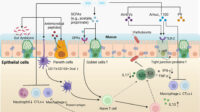
One of the most compelling reasons to consider the vitamin D–metformin relationship is inflammation. Vitamin D modulates immune responses and can influence inflammatory cytokines. Metformin has been associated with anti-inflammatory effects, potentially through pathways related to cellular stress responses and metabolic regulation.
GLP-1 therapies also have indirect immunometabolic effects. When glucose and weight improve, inflammatory signaling often eases. That matters because insulin resistance is frequently fueled by inflammatory cascades. In this context, vitamin D may serve as a “regulator” that tempers overactive immune signals, while metformin may reduce metabolic stress. GLP-1 therapies can lower the upstream pressures that feed inflammation in the first place.
Kidney Considerations and Absorption Nuances: Practical Biology
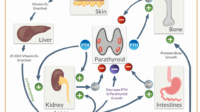
Vitamin D metabolism involves organs and enzymatic steps that depend on liver and kidney function. People with advanced kidney disease may have altered vitamin D processing, which can complicate supplementation strategies. Metformin usage also intersects with kidney function because metformin is cleared renally. Clinicians often monitor kidney markers carefully to ensure safety.
Even absorption can matter. Vitamin D is fat-soluble, so gastrointestinal health and dietary fat intake can influence how much actually becomes available to tissues. Meanwhile, GLP-1 receptor agonists can slow gastric emptying, change appetite, and sometimes affect nutrient intake indirectly. That does not mean GLP-1 therapy “blocks” vitamin D absorption, but it can shift the nutritional context in which vitamin D is taken.
What Research Often Suggests: Synergy, Variability, and Time
In studies exploring these connections, a pattern of variability often appears. Some individuals show stronger improvements in insulin sensitivity or inflammatory markers when vitamin D is corrected and metformin is used. Others show modest or inconsistent effects. Part of that variability comes from differences in baseline vitamin D status, study design, doses, treatment duration, and participant characteristics such as age, body mass index, and concurrent medications.
Time is also crucial. Metabolic improvements often take weeks to months, and immune signaling changes can lag behind hormonal and glycemic shifts. Vitamin D levels may also require time to normalize after supplementation. Thus, “interaction” is not a moment-to-moment event; it is a gradual reconfiguration of physiology.
Clinical Implementation: Testing, Dosing, and Monitoring
A reader-friendly approach to this topic usually begins with measurement. Clinically, vitamin D is often assessed by measuring 25-hydroxyvitamin D. This helps determine whether someone is deficient, insufficient, or already adequate. The next step is aligning supplementation plans with medical guidance, especially for people taking multiple therapies or who have kidney concerns.
When metformin and GLP-1 therapies are already in use, monitoring becomes more layered. Clinicians may follow glucose metrics, weight changes, kidney function, and sometimes markers related to bone and mineral metabolism. The goal is not merely to “raise vitamin D,” but to ensure that levels are appropriate, stable, and safe in the broader physiological context.
Safety and Interactions: Avoiding the Extremes
Vitamin D is not an unlimited resource. Excess supplementation can lead to hypercalcemia and related complications. Symptoms may include nausea, weakness, confusion, and in more severe cases, kidney stress. The safest strategy is personalization: dosing guided by baseline levels, follow-up testing when appropriate, and attention to other supplements such as calcium.
Metformin and GLP-1 therapies also have their own safety profiles. Metformin can contribute to vitamin B12 deficiency in some long-term users, which may matter for energy and neurologic function. GLP-1 medications can cause gastrointestinal effects such as nausea, reflux, or appetite suppression. While these concerns are distinct from vitamin D, together they influence adherence and nutritional status—two factors that indirectly shape vitamin D’s effectiveness.
What Readers Can Expect: Different Content Paths
For readers seeking clarity, this topic can be approached through multiple “content lenses.” Some will prefer a mechanistic pathway—how vitamin D receptors influence gene expression and how metformin reshapes cellular energy sensing. Others will want clinical pragmatics: when to test, how to interpret results, and what monitoring might look like. Still others may look for lifestyle integration—how sunlight exposure, dietary patterns, and exercise influence vitamin D status and insulin sensitivity.
There is also room for narrative interpretation. The story of this interaction is not a single straight line. It is a mosaic of influences: baseline deficiency, metabolic stress, medication synergy, and individual variability. That mosaic explains why some people feel dramatic improvements while others experience subtler changes.
Visual Snapshot: Where the Signals Converge
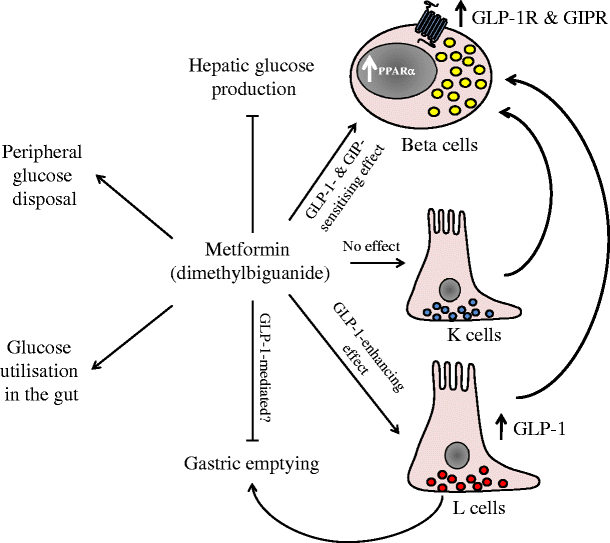
In many conceptual diagrams, metformin’s metabolic effects, vitamin D’s receptor-mediated signaling, and GLP-1’s hormone-driven pathways are depicted as nodes in a larger network. The clinical takeaway is that networks rarely behave identically in every person. Genetics, baseline vitamin D, gut function, body composition, and duration of therapy can all shift the “wiring” of outcomes.
Conclusion: A Thoughtful, Personalized Perspective
The interaction between vitamin D and metformin—often used alongside GLP-1 receptor agonists—can be best understood as an immunometabolic convergence. Vitamin D may help tune immune and insulin-related pathways. Metformin may reduce metabolic stress and improve cellular energy handling. GLP-1 therapies may reshape appetite, weight, and glucose regulation, indirectly lowering inflammatory pressure.
Yet the most accurate expectation is not “one size fits all.” The interaction is influenced by baseline vitamin D status, kidney and gastrointestinal context, medication timing, and careful monitoring. When handled thoughtfully, this combination can support a cohesive metabolic strategy—less about chasing a single compound effect, and more about fostering a healthier internal rhythm.