Varicose veins can feel like a slow-moving storm: dull aching, heaviness in the legs, visible rope-like veins, and an unease that lingers even after you sit down. When you search for relief, supplements often appear—especially D3 + K2. The question is not just whether they “help,” but how they might help, for which people, and what else still matters. Let’s walk through what D3 and K2 are, why they’re discussed in vein health, what the real-world evidence suggests, and what different content types you can expect as you research this topic.
What D3 and K2 Actually Do in the Body
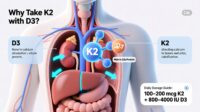
Vitamin D3 (cholecalciferol) and vitamin K2 (menaquinone variants) are often mentioned together because they share a crossroads with calcium handling and tissue remodeling. D3 is frequently described as a “hormone-like” nutrient. It helps regulate gene expression involved in immune function, cell differentiation, and calcium absorption.
Vitamin K2 is best known for supporting proper activation of proteins that govern where calcium should go—and where it shouldn’t. In simplified terms, K2 helps steer calcium toward bones and away from inappropriate deposition in soft tissues. This idea is central to the D3 + K2 conversation in circulation-related wellness topics.
However, varicose veins are not merely a calcium-delivery problem. They involve venous valve dysfunction, vein wall changes, inflammation, and the chronic consequences of pressure. That means D3 + K2 are not “anti-varicose vein magic,” even if they could influence certain underlying processes.

Understanding Varicose Veins: More Than “Fatigue and Heat”
Varicose veins develop when venous valves fail to keep blood flowing upward efficiently. Blood pools, venous pressure rises, and vein walls stretch. Over time, the surrounding tissues may become inflamed and less resilient.
Symptoms often include:
- Heaviness or aching after standing
- Throbbing or burning sensations
- Swelling around the ankles
- Visible, tortuous veins that may worsen throughout the day
Some people also develop skin changes—such as discoloration—indicating more advanced venous disease. This matters because supplementation strategies may differ depending on whether someone is dealing with early symptoms, cosmetic concern, or progressing chronic venous insufficiency.
Why D3 + K2 Enter the Conversation
The D3 + K2 hypothesis generally follows this thread: improved calcium regulation and potentially healthier vascular signaling could support connective tissue integrity. Vitamin D is also linked to anti-inflammatory signaling, and inflammation is relevant to venous wall remodeling.
Some narratives suggest that if vein walls and connective structures are maintained more effectively, venous symptoms might become less intense. But this is a cautious line of reasoning—physiology rarely behaves like a single-switch solution.
In health content, you’ll often see D3 + K2 framed as:
- Foundational nutrition for people who are deficient
- Adjunct support alongside compression, movement, and skin care
- Long-game maintenance rather than immediate symptom relief
Each framing implies different expectations. A supplement cannot replace compression therapy, procedural evaluation, or lifestyle interventions when venous valve dysfunction is the core issue.
Does D3 + K2 Help Varicose Veins Directly?
When readers ask, “Does it help?” they usually want one of two outcomes: fewer symptoms or less visible vein prominence. The honest answer is nuanced. Vitamin D and K2 may influence aspects of vascular health and inflammation, but varicose veins primarily arise from mechanical and structural venous failure.
So D3 + K2—at most—may be considered supportive rather than transformative. If someone is vitamin D deficient, restoring vitamin D levels might improve general inflammatory balance and perhaps indirectly affect vascular comfort. If someone has adequate vitamin status, the incremental benefit may be smaller or harder to notice.
In content you’ll likely find, claims often vary widely. Some articles emphasize “calcium metabolism,” while others focus on “inflammation reduction.” A thoughtful reader should look for evidence that connects these biochemical pathways to measurable venous outcomes—such as symptom severity, edema, or progression over time.
Different Types of Content You’ll Encounter (and How to Read Them)
Research on supplements and vein health tends to appear in several content formats. Recognizing the format helps you calibrate expectations.
1) Clinical-style summaries often discuss study design, dose ranges, and endpoints. These are usually more reliable for understanding whether outcomes were statistically meaningful. Look for details like timeframes (weeks vs months), symptom measures, and whether participants had baseline deficiency.
2) Mechanism-focused explainers explore vitamin D receptor activity and K2’s role in protein activation. These can be educational and persuasive, but they may stop short of proving direct effects on varicose veins. Mechanism is suggestive, not definitive.
3) Personal experience narratives describe improvements in heaviness or aching. These accounts can be emotionally resonant and useful for motivation, but they don’t establish causality. Symptoms in venous disease fluctuate, and compression or exercise changes can coincide with supplement use.
4) Product-centered blog posts may highlight ingredient benefits without robust outcome reporting. Watch for marketing language that compresses complex physiology into simple promises.
The best research journey blends these formats: mechanism for context, clinical summary for credibility, and personal narratives for real-life texture—without letting any one category hijack your conclusions.
Who Might Benefit Most from D3 + K2
Supplement interest tends to be highest among people with either low sun exposure, limited dietary vitamin D, or insufficient vitamin K2 intake. People with risk factors for deficiency may have a more logical baseline for improvement.
Those who might benefit more include individuals with:
- Documented low vitamin D levels or limited sunlight exposure
- Diet patterns low in K2-rich foods
- Higher inflammatory burden where general anti-inflammatory support is relevant
Even then, the goal is typically wellness support. Varicose veins still require venous-specific care—especially compression, leg elevation, and targeted activity.
Safety Considerations and Interaction Warnings
Safety is not a footnote; it’s the main event when supplements are involved. Vitamin D and K2 both influence calcium-related pathways. That means dose selection and medical context matter.
Particularly important considerations include:
- Blood thinners (especially warfarin): K2 can interact with anticoagulant therapy due to vitamin K’s role in clotting factors.
- Kidney disease or calcium disorders: abnormal calcium metabolism requires careful oversight.
- High-dose vitamin D: excess vitamin D can elevate calcium levels, which may be harmful.
If you’re pregnant, managing chronic illness, or taking medications, a clinician’s guidance is prudent. “Natural” does not automatically mean “risk-free.”
What Works Alongside Supplements: Evidence-Based Vein Support
Whether or not D3 + K2 helps you, these interventions often offer more direct symptom control:
- Compression stockings to reduce pooling and pressure
- Regular walking to activate the calf muscle pump
- Leg elevation to encourage venous return
- Weight management to reduce mechanical strain
- Skin care if irritation or discoloration is present
For more advanced cases, procedures such as endovenous ablation or sclerotherapy may be considered. Supplement support may complement these strategies, but it generally shouldn’t delay proper evaluation.
When to Seek Medical Assessment
Some symptoms deserve urgent attention. Seek evaluation if you notice sudden swelling in one leg, severe pain, warmth, or redness—especially if clotting is a concern. Also consult a clinician if you develop skin breakdown, persistent ulcers, or progressive discoloration.
Early assessment can clarify whether you have uncomplicated varicose veins or a broader chronic venous disorder. That distinction matters because the “best next step” changes with severity.
The Bottom Line: A Practical Expectation for D3 + K2
D3 + K2 is best viewed as nutritional support, not a standalone cure. It may help certain people—especially those with low vitamin D or inadequate K2 status—by supporting inflammation balance and calcium handling that indirectly relates to vascular integrity.
But varicose veins largely reflect venous valve failure and structural changes. For most readers, the most reliable improvements come from compression, movement, and clinician-guided management. Supplements may be a supporting actor in your care plan, not the headliner.
If you explore this topic, aim for content that combines clinical reasoning with measurable outcomes, and treat personal stories as context—not proof. In the long run, clarity is more comforting than hype.