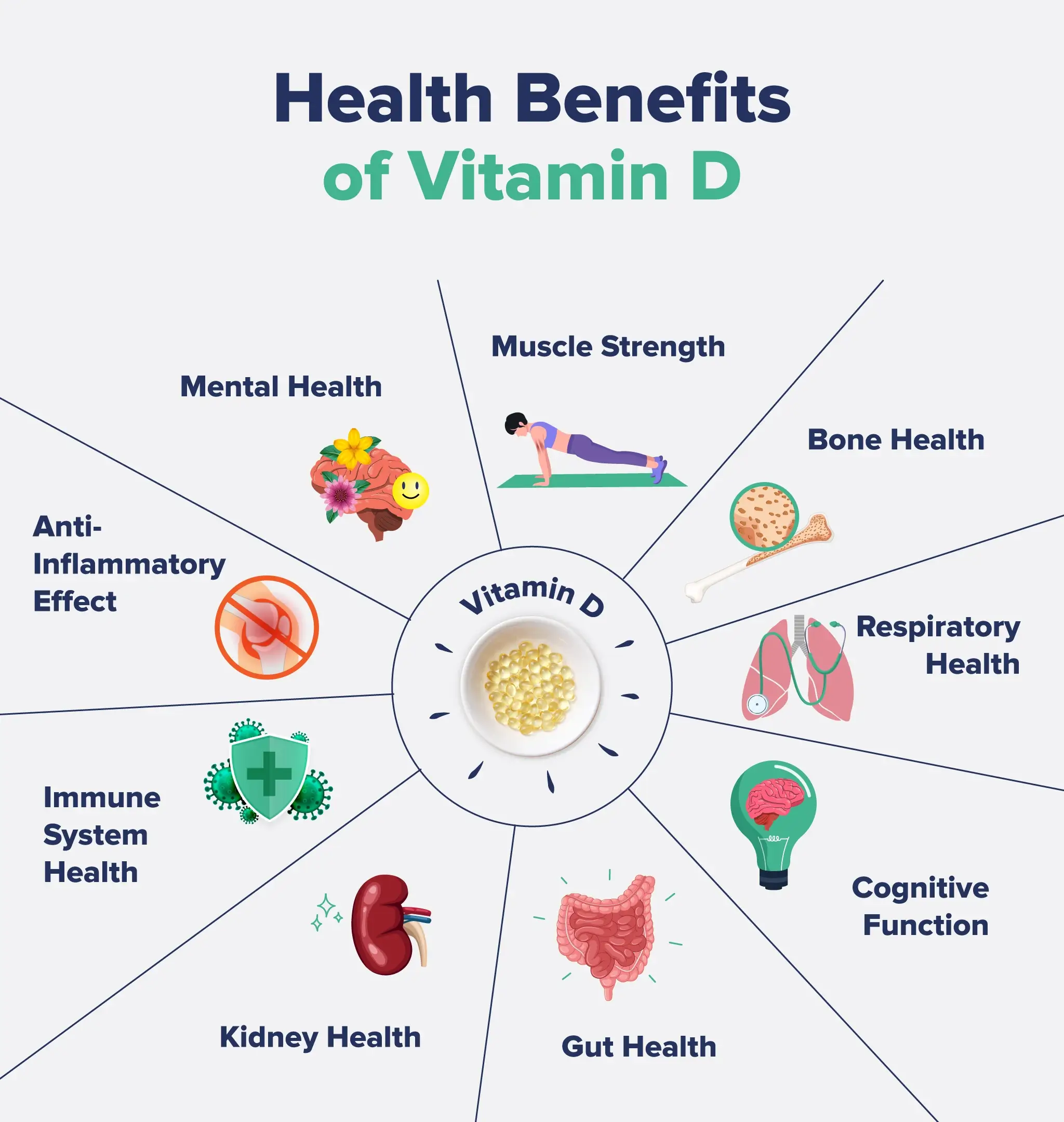
Imagine your immune system as a vigilant coastal city—one part watchtower, one part supply chain, one part alarm bell. Vitamin D is often described as the watchtower signal, helping your defenses read the world clearly. But magnesium? Magnesium is the quiet harbor master. It steers the ships of biology into the right docks, ensuring the signal doesn’t merely arrive, but translates into protection. When magnesium is plentiful, Vitamin D’s immune benefits feel less like a rumor and more like a well-run operation.
Magnesium as the “Biochemical Conductor” Behind Vitamin D
Vitamin D does not operate as a lone hero. It behaves like a catalyst that requires a supporting ensemble—enzymes, receptors, and transport processes that must line up with precision. Magnesium functions as a biochemical conductor, aligning the timing and fidelity of those processes. It helps stabilize molecular interactions so that Vitamin D can be converted, activated, and ultimately used by immune cells.
Think of magnesium as the tuning fork in a crowded orchestra. Without it, instruments may still play, but the harmony becomes fuzzy. With it, the immune narrative becomes crisp—notes of signaling, messaging, and response synchronize in a way the body can actually use.
From Sunlight to Signal: The Activation Pathway Needs Magnesium
Vitamin D begins as an inert form, then must be processed through a sequence of transformations. In the body, activation is not a single event; it’s a chain reaction requiring enzymatic choreography. Magnesium supports key biochemical “hands” along the pathway, helping enzymes function correctly and maintain the structural integrity of molecular machinery.
When magnesium availability is low, the entire pathway can feel like a relay race with a missing baton. The runner might still move forward, but the momentum falters. This can affect how effectively Vitamin D becomes active and communicates with immune cells.
In other words: magnesium doesn’t replace Vitamin D. It improves the odds that Vitamin D reaches its immunological destination.
Immune Cell Communication: Receptors, Messaging, and Molecular Precision
Immune benefits often depend on communication. Vitamin D influences immune regulation by engaging receptors that act like molecular translators. These receptors and downstream events require stable chemical environments. Magnesium contributes to that stability—helping support receptor interactions and signaling cascades that guide immune behavior.
Picture an intricate library. Vitamin D is the librarian who retrieves the correct books. Magnesium is the shelving system—without sturdy supports, books can fall, pages can tear, and the library becomes less functional. The goal isn’t simply to “have” Vitamin D; the goal is to ensure the immune library remains organized and readable.
That’s why magnesium’s role is so compelling: it reframes Vitamin D’s immune impact from an isolated supplement concept into a coordinated biological protocol.
Inflammation Modulation: Calming the Overactive Alarm
An immune system that’s too aggressive can become self-damaging, like a smoke alarm that shrieks every time a candle is lit. Vitamin D contributes to regulating inflammatory responses, encouraging balance rather than chaos. Magnesium supports the biochemical conditions that allow those regulatory processes to proceed smoothly.
In practical terms, magnesium can be seen as a stabilizer for the immune “tone.” It helps maintain cellular environments where signaling can shift appropriately—supporting a controlled response when needed, and reducing the likelihood of unnecessary escalation.
Short sentences matter here: inflammation is not automatically good, and inflammation is not automatically bad. It needs calibration. Magnesium helps tune the calibration dial.
Barrier Defense and Respiratory Resilience
Your immune system is not only internal. It’s also a set of gates and membranes—especially in areas like the respiratory tract. Vitamin D is frequently discussed in relation to barrier integrity and immune readiness. Magnesium complements this by supporting general cellular function and maintaining conditions that influence immune-related processes.
Imagine the body as a fortress with layered walls. Vitamin D helps strengthen the wall’s decision-making system. Magnesium contributes to the structural strength of the wall’s materials—supporting the cellular “construction crews” that keep defenses resilient.
This layered approach is what makes magnesium particularly intriguing: it doesn’t merely influence one pathway; it contributes to a broader ecosystem where defenses can hold steady.
Synergy in Supplements: Why “Together” Often Matters More Than “Alone”
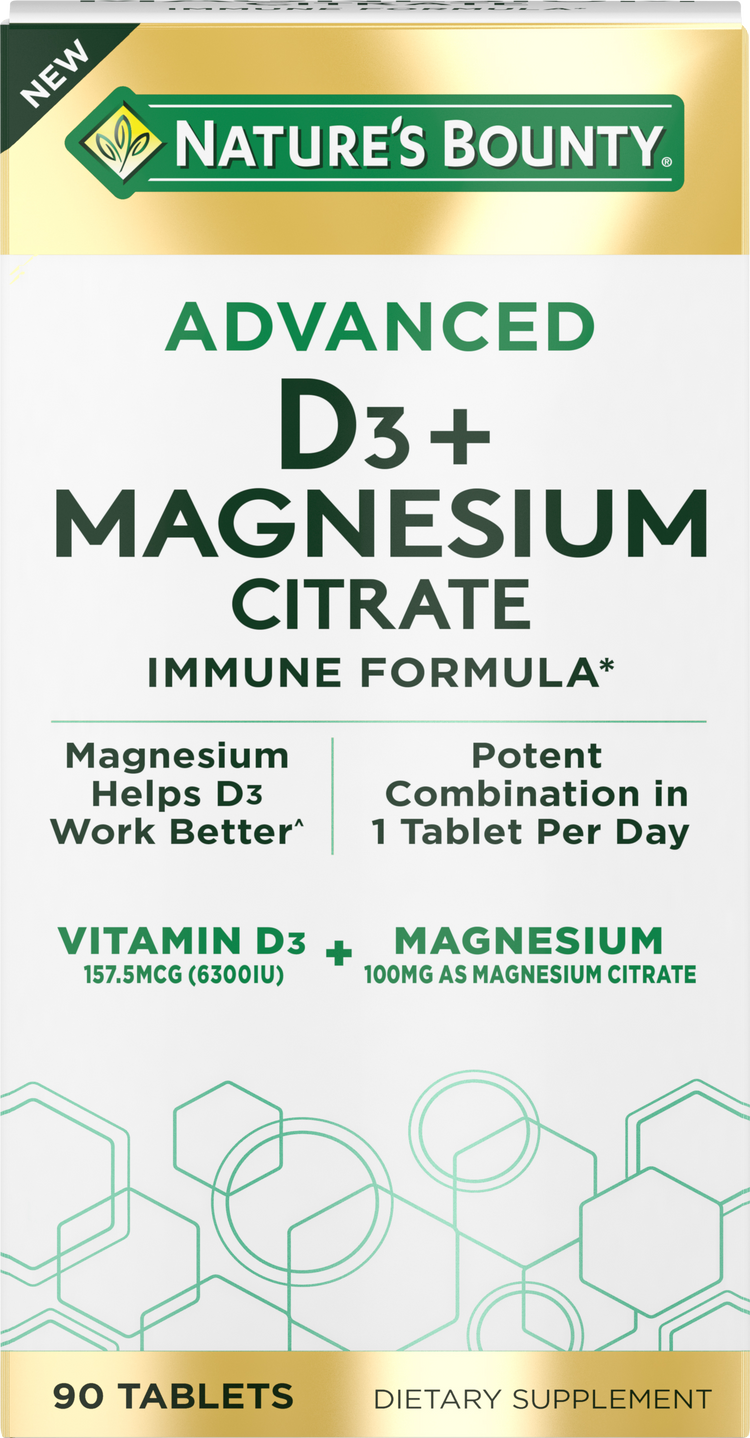
The unique appeal of magnesium in Vitamin D’s immune benefits emerges most clearly in how these nutrients behave together. Vitamin D can be present, but if magnesium is insufficient, the immune translation process may not run at full capacity. Supplement strategies that pair magnesium with Vitamin D often reflect the body’s preference for cooperation rather than isolation.
Many magnesium forms are chosen for absorption and tolerability, and magnesium’s presence can enhance how consistently people support their vitamin strategy. The combination can feel like adding both fuel and steering to a journey: the drive becomes smoother, and the direction becomes clearer.
In the realm of immune support, this synergy is the difference between “the lights are on” and “the lights are connected to the grid.”
Magnesium’s Broader Immune Context: Energy, Cellular Health, and Regulation
Immune function is not just messaging—it requires energy, cellular maintenance, and regulation. Magnesium participates in processes involved in energy metabolism and cellular stability. Immune cells are metabolically active; they need resources to mobilize, proliferate, and coordinate responses.
When magnesium status is strong, immune cells can operate with less friction. When magnesium is low, the system may still respond, but the efficiency can decline—like a workshop running with dull tools.
Long sentences can be helpful here because the story is interconnected. Vitamin D shapes immune regulation, and magnesium supports the underlying cellular conditions that allow immune regulation to be executed effectively.
Signs to Consider: Who Might Need Extra Attention to Magnesium
Some people are more likely to experience lower magnesium intake due to dietary patterns, stress load, or higher physiological demands. Others may simply not get enough magnesium-rich foods consistently. If Vitamin D supplementation is being considered, assessing magnesium status becomes a more thoughtful step—not out of fear, but out of optimization.
Consider lifestyle factors too. Stress can increase physiological demands, and magnesium is central to many “busy-body” processes. Sleep quality, dietary variety, and overall nutritional balance can influence the likelihood that magnesium supports immune goals.
This isn’t about chasing perfection. It’s about building a foundation where immune signals can land accurately and act decisively.
Practical Guidance: Supporting the Duo with a Smart, Consistent Approach
Consistency matters more than drama. Immune support is a long-game process, not a one-day event. If you’re using Vitamin D as part of your health routine, magnesium can be a complementary pillar that helps the immune benefits feel more tangible.
Many people choose dietary approaches first—seeking magnesium through foods such as legumes, nuts, seeds, and leafy greens—then consider supplementation if intake is insufficient. The “intriguing appeal” is not only what magnesium does, but how it transforms the entire strategy from a single-target plan into a coordinated framework.
As always, individualized needs vary. If you have medical conditions or take medications, it’s wise to align supplement choices with professional guidance, especially when adjusting dosages.
Closing Metaphor: The Harbor That Makes the Lighthouse Useful
Vitamin D is the lighthouse, casting its beam toward immune clarity. But magnesium is the harbor—supporting the docking systems, the navigation protocols, and the safe transfer of cargo from signal to action. When magnesium and Vitamin D work in concert, immune benefits feel less like a theoretical promise and more like a reliable infrastructure.
In a world full of biological noise, synergy is a rare kind of elegance. Magnesium brings that elegance to Vitamin D’s immune story—quietly, consistently, and with remarkable purpose.