Imagine your bloodstream as a dimly lit warehouse, and vitamin D as the cargo that must reach the right shelves. Some deliveries arrive swiftly and glide through the aisles; others move more deliberately, needing extra processing before they become useful. The question—Vitamin D3 vs D2: which one raises blood levels faster?—isn’t just biochemical trivia. It’s timing, efficiency, and the way your body turns a supplement into momentum.
Why “faster” matters: the bloodstream as a measuring clock
Blood levels of vitamin D aren’t static; they behave like a rising tide that can either come in quickly or dribble in across hours and weeks. When people ask which form raises levels faster, they’re usually thinking about a practical scenario: low baseline stores, winter depletion, limited sun exposure, or a clinical need to correct insufficiency. Speed can influence how quickly symptoms related to low vitamin D may improve, and it can affect how confidently someone can plan their next steps.
But “faster” is not a single moment on the calendar. It’s a pattern—absorption, transport, conversion, and then persistence. Think of it like two runners on the same track: one may sprint out of the gate, while the other reaches steady pace later. Your body still needs the finish line—adequate circulating 25-hydroxyvitamin D—to support calcium regulation, bone remodeling, immune signaling, and broader metabolic pathways.
D2 and D3: two molecular accents, one crucial mission
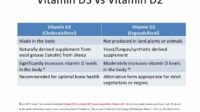
Vitamin D comes in multiple forms, but dietary supplementation typically centers on D2 (ergocalciferol) and D3 (cholecalciferol). Both aim for the same destination: elevation of blood 25-hydroxyvitamin D, the commonly measured marker. Yet their molecular “accent” differs—like dialects that ultimately translate into the same language, but with different rhythms.
D3 is naturally produced in skin through sunlight exposure and is also found in animal sources. D2 is produced via plant- or fungal-derived pathways. Once ingested, each form goes through conversion steps, and their downstream behavior influences how quickly blood levels respond.
Absorption and transport: the early chapters of the story
After swallowing a capsule, tablet, or drops, vitamin D must dissolve, enter the intestinal bloodstream, and hitch a ride on carrier proteins. This phase determines how quickly the “first wave” of vitamin D can show up in circulation. Both D2 and D3 can be absorbed, but differences in fat solubility dynamics, formulation, and how the body processes each form may create variations in early blood-level changes.
Picture a messenger traveling with a parcel. The faster the messenger reaches the sorting hub—and the more efficiently the parcel is logged—the sooner you notice movement in the system. For many people, D3 tends to behave more like the courier who knows the streets.
Conversion efficiency: turning cargo into usable inventory
Vitamin D doesn’t merely float around; it must be metabolized into forms your body recognizes and can use. In the liver and beyond, conversion pathways shape how much 25-hydroxyvitamin D becomes available. Research and clinical observation often point toward D3 having an edge in raising and maintaining circulating levels, though the exact magnitude varies by baseline status, dose, body composition, and adherence.
This is where the “faster” narrative becomes nuanced. A form that converts more efficiently—or maintains higher circulating availability—can produce a quicker rise in the measured marker. Still, timing isn’t guaranteed for everyone. Some individuals show a rapid response regardless of form, while others experience a delayed shift due to absorption barriers or metabolic factors.
Blood-level rise over time: what you may notice in weeks
When people start supplementation, they often monitor their labs around the 8–12 week window, sometimes sooner depending on clinician guidance. Over that period, the difference between D2 and D3 may reveal itself in how sharply 25-hydroxyvitamin D climbs.
For many, D3 creates a more predictable upward trajectory. Yet “faster” is not only about speed—it’s also about the slope and the plateau. A runner who accelerates quickly but stops early may not outperform the runner who builds gradually and sustains. The best choice is often the one that raises levels effectively and maintains them with fewer fluctuations.
Persistence and half-life-like behavior: the marathon component
Vitamin D is fat-soluble and can be stored in body tissues, then released gradually. This characteristic means the story doesn’t end when blood levels first rise; it continues as your body rebalances stores. D3 often demonstrates stronger persistence in raising circulating levels, which can translate into more sustained elevation after the initial response.
Think of vitamin D as a reservoir filling from two taps. One tap may fill the reservoir faster. The other may trickle, yet both ultimately reach similar heights in ideal conditions. However, if you need the reservoir full soon—because baseline is low—D3 frequently becomes the more compelling candidate.
Dose matters: why the same “amount” isn’t always the same “effect”
Even when two supplements list the same dose, the real-world effect can differ based on how much you actually absorb and how your body processes it. Higher doses can produce faster increases, but they also raise considerations about safety and tolerability. Taking vitamin D with meals containing fat can significantly influence absorption.
In this arena, D2 vs D3 isn’t the only variable. Formulation matters too: oil-based preparations, fortified products, emulsions, and liquid drops can alter bioavailability. Your best strategy is rarely “pick a winner in a vacuum.” Instead, it’s “choose the form and dosing plan that fits your physiology.”
Who tends to benefit most from D3?
While individual outcomes vary, certain patterns often appear in practice. People with low baseline vitamin D status may respond more noticeably once supplementation begins. Individuals with limited sun exposure, those in higher latitudes during winter months, and people who rarely consume vitamin D–rich foods may experience a stronger need for a rapid corrective approach.
D3’s overall reputation for raising and sustaining levels makes it appealing for these scenarios. It’s not a magic wand, but it can feel like switching on brighter lighting in that warehouse—more inventory shows up sooner, and the shelves stay stocked longer.
Bone health and beyond: the “why” behind the labs
Raising blood vitamin D is not an end in itself. Vitamin D contributes to calcium absorption and plays a role in bone mineralization. When vitamin D levels are inadequate, bone remodeling can become less efficient, which over time may contribute to fragility. Yet vitamin D’s relevance expands into muscle function, immune regulation, and inflammatory signaling—areas that often motivate people to act promptly.
So, the question of “faster” can be interpreted as “how quickly can my body move from deficit mode toward functional equilibrium?” In that light, the appeal of D3 becomes more than a lab result. It’s a bridge toward resilience.

Choosing between D2 and D3: a practical decision framework
If your goal is to raise blood levels faster, D3 often emerges as the more compelling option due to its tendency to produce a stronger rise and better persistence in circulating 25-hydroxyvitamin D. Still, your decision should account for the broader context: your baseline levels, your dose, whether you take the supplement with a fat-containing meal, and how consistently you use it.
Some people may use D2 successfully—especially when cost, availability, or provider preference guides the choice. The key is to match the form to your plan and then verify with repeat testing. Think of it as tuning an instrument: you can choose different strings, but the final note should be what you want—adequate blood levels within a reasonable timeframe.
Safety considerations: the pace should not become recklessness
Vitamin D is powerful precisely because it accumulates and influences calcium metabolism. Excessive dosing can lead to hypercalcemia or other complications. A “faster” strategy should still respect safety boundaries and clinical recommendations. If you have kidney disease, granulomatous disorders, or a history of elevated calcium, you’ll want a tailored plan under professional supervision.
The most sophisticated approach is not “go as fast as possible.” It’s “go fast enough to correct deficiency while remaining within safe dosing.” That balance keeps the warehouse stocked without accidentally overfilling the shelves.
Summary: which raises blood levels faster?
Across real-world use and lab-based monitoring, vitamin D3 often proves more efficient at increasing circulating 25-hydroxyvitamin D, which is why it’s frequently associated with a quicker rise—especially when starting from low levels. D2 can still raise blood levels, but D3 tends to offer a more robust combination of early response and sustained presence.
Ultimately, the “fastest” choice is the one that reliably elevates your marker within your target window while supporting your long-term maintenance plan. If vitamin D is the cargo, then D3 is often the delivery that arrives with fewer detours and a stronger chance of keeping the shelves full.