Bones are the body’s quiet architecture—sturdy beams wrapped in a living, self-repairing scaffolding. Calcium is often described as the “building block,” and vitamin D as the “key” that helps the body use that building material. Yet, around these two nutrients, myths have taken root like stubborn weeds in a well-tended garden. They crowd out accurate knowledge, and sometimes they redirect people toward ineffective—if not counterproductive—habits. Let’s unspool seven of the most persistent myths, using evidence-based clarity and a narrative lens that keeps the stakes human.
Myth 1: “Calcium alone builds strong bones, so vitamin D doesn’t matter.”
Imagine pouring concrete into a foundation without arranging the rebar. The substance is useful, but the structure will be compromised. Calcium works best when vitamin D enables its absorption and mobilizes it through the bloodstream toward where it’s needed—bones included. Vitamin D doesn’t merely “help.” In many people, it acts like a logistical supervisor, orchestrating the transport and regulation of calcium. Without adequate vitamin D, calcium intake can be swallowed by the system without being fully utilized. The result can be a frustrating stalemate: you’re consuming the right ingredient, but your body can’t efficiently deploy it.
For bone health, calcium and vitamin D behave like a duet. One sets the rhythm, the other ensures the music reaches the right instruments. If either partner is missing, the performance falters.

Myth 2: “If I take calcium supplements, I don’t need sunlight or dietary vitamin D.”
This myth treats vitamin D like a disposable tool. In reality, vitamin D status is influenced by sun exposure, diet, skin pigmentation, season, latitude, and even indoor lifestyle patterns. Supplements can help, but they are not a universal override. People vary widely in baseline vitamin D levels and in how their bodies convert and utilize vitamin D.
Think of vitamin D as a dimmer switch rather than a light switch. Supplements may brighten the room for some, but others need careful calibration. Too little vitamin D can still leave calcium absorbed only partially. Over-relying on calcium while ignoring vitamin D can lead to a lopsided strategy—more bricks, less scaffolding to lift them into place.

Myth 3: “More calcium always means stronger bones.”
More is not always better; it’s sometimes louder than it is useful. Calcium is absorbed through regulated pathways, and the body can only process so much at a time. Excess intake may not translate into stronger bones and can increase gastrointestinal discomfort for some people. In certain situations, very high calcium intake—especially from supplements—can contribute to urinary calcium issues.
Bones respond to a well-timed supply, not an endless dump. A sustainable approach focuses on meeting recommended targets, often through food first, then supplements when necessary. Think of it as seasoning rather than drowning: the goal is precision, not excess.
When calcium intake surpasses needs, the extra doesn’t automatically become “bone.” The body treats nutrients with a kind of guarded pragmatism—efficient at what it uses, selective about what it discards or redirects.
Myth 4: “Vitamin D comes only from sunlight, so if I avoid sun, I’m doomed.”
This myth casts a shadow that isn’t deserved. Yes, sunlight triggers vitamin D synthesis in the skin, but it’s not the only pipeline. Vitamin D also comes from foods—fatty fish, fortified dairy or plant milks, egg yolk—and supplements. If sun exposure is limited due to climate, work schedules, skin sensitivity, religious practices, or personal preferences, other routes can compensate.
In modern life, many people are “under-sunlit” more than they realize. Yet vitamin D status can still be supported through diet and supplementation guided by appropriate testing. The key is not despair. It’s adaptability.
Vitamin D is less like a singular doorway and more like a multi-lane highway. If one lane is closed, others can carry the traffic.
Myth 5: “Dairy is the only reliable calcium source.”
Dairy is a well-known source, but it isn’t the only one. Calcium can be found in a range of foods, including leafy greens (not all equally bioavailable), fortified beverages, tofu prepared with calcium salts, almonds, beans, and some fish with edible bones. The “best” choice depends on dietary patterns, budget, and individual tolerance.
Consider the dietary ecosystem: it includes the familiar and the overlooked. Spinach, for example, has calcium, but its oxalate content can reduce absorption. Meanwhile, fortified foods can offer consistent calcium content. The myths that narrow options often make people feel stuck—choosing between taste and health. In reality, calcium-friendly alternatives can fit different cultures and preferences.
Strong bones do not require one brand, one food group, or one identity. They require consistent intake over time, from whatever sources suit you.
Myth 6: “People with adequate calcium intake never develop osteoporosis.”
This myth behaves like a false guarantee. Osteoporosis is influenced by far more than calcium alone. Genetics, age, sex hormones, body weight, physical activity, smoking, alcohol use, muscle strength, fall risk, and overall dietary pattern all play roles. Calcium is a critical component, but it’s not the entire blueprint.
Think of bones as a museum of history. Calcium contributes to the structural integrity of exhibits, but osteoporosis can also reflect lighting conditions (hormonal changes), security systems (muscle strength), and building maintenance budgets (general nutrition and lifestyle). Even with good calcium intake, bone remodeling can shift unfavorably over time.
That’s why bone health strategies often blend nutrition with strength training, balance work, and—when appropriate—medical evaluation. Prevention is rarely a one-ingredient story.
Myth 7: “Once you start supplements, you can stop thinking about the rest of your diet and lifestyle.”
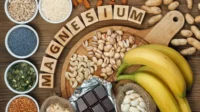
Supplements are not a life raft that eliminates the ocean. They can help fill gaps, particularly when diet and sun exposure are insufficient, but bone health is a tapestry woven from many threads. Protein supports the collagen framework of bone. Vitamin K works with calcium-related pathways. Magnesium contributes to mineral metabolism. Weight-bearing and resistance exercises stimulate bone remodeling. Sleep, hydration, and overall metabolic health also influence how well the body maintains structural tissue.
In other words, supplements should be cast as one tool in a broader toolkit. A person who only swallows pills but avoids movement, ignores dietary variety, and never checks vitamin D status may be working with half the map.
Like a conductor guiding an orchestra, your lifestyle determines whether nutrients are merely present or truly performed. When calcium and vitamin D are backed by sound habits, they can act like the steady metronome that makes the whole system resilient.
Closing: Bone health is a story of balance, not myths
The truth about calcium and vitamin D is both hopeful and practical. Calcium is the material, vitamin D is the messenger, and bone strength emerges when both are supplied intelligently over time. Myths flatten complexity into slogans—easy to remember, hard to trust. Real bone health is more nuanced: it respects recommended targets, favors consistent intake, and acknowledges that absorption, lifestyle, and medical context all matter.
Choose clarity over clichés. Think in duets. Aim for balance. And treat your skeleton not as a static relic, but as a living structure that responds—patiently, predictably—to the right signals.