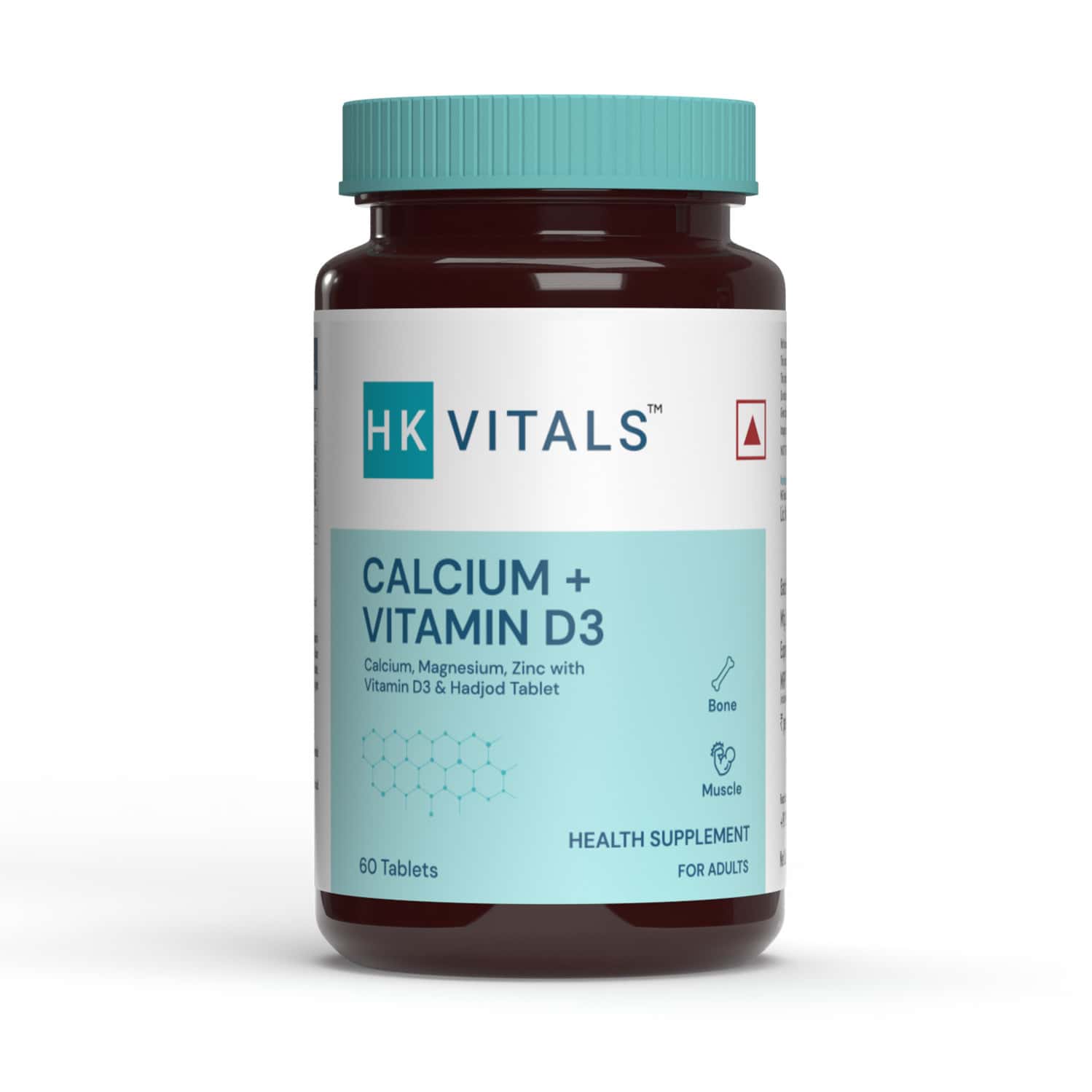
There is a quietly persistent belief that dental health is mostly about what happens “in the mouth”—brush, floss, and perhaps a mouthwash. Yet the jaw—an actual bone scaffold—answers to something deeper. Nutrients circulate, hormones coordinate, and mineral metabolism performs its meticulous choreography long before any visible plaque appears. Among the most influential players are vitamin D and calcium. They do more than strengthen teeth; they help stabilize the jaw’s structural integrity, supporting the living lattice that underpins a confident bite and resilient oral tissues.
Why the Jaw Feels Like a Bigger Story Than Teeth
Many people notice jaw sensitivity after dental work, or experience discomfort that seems oddly disconnected from a specific tooth. That intuition makes sense. The jaw is not a passive container; it is a dynamic, vascularized bone that remodels constantly. When inflammation escalates—whether from periodontal disease, chronic grinding, or prolonged nutritional gaps—bone remodeling can tilt in an unfavorable direction. The result may be bone loss, loosened teeth, or lingering tenderness along the jawline.
Here’s the common observation: “I brush regularly, so why is my jaw still deteriorating?” The hint behind that question is fascinating. Bone health is a systems-level phenomenon. Even impeccable brushing cannot fully compensate for mineral insufficiency or impaired absorption. Sometimes the mouth is merely the stage; the script is written elsewhere—by vitamin D signaling and calcium availability.
Calcium: The Mineral That Gives Jaw Bone Its Architecture
Calcium is the cornerstone mineral of bone. In the jaw, it contributes to hydroxyapatite formation—the crystalline network that resists mechanical stress and provides rigidity. Without adequate calcium, bone remodeling can become less efficient. Cells that construct bone (osteoblasts) may slow down, while osteoclast-driven resorption can dominate, especially under inflammatory pressures.
Notably, calcium is not only about quantity. It’s also about the context of use: calcium must be delivered, absorbed, and correctly integrated into mineral matrices. If absorption is impaired or dietary intake is inconsistent, the jaw can become vulnerable to gradual structural decline. Over time, that vulnerability may manifest as radiographic bone changes or increased susceptibility to periodontal attachment loss.

Vitamin D: The Gatekeeper That Unlocks Calcium Absorption
Vitamin D is often described as a helper vitamin, but that understates its importance. It functions as a hormonal regulator that enables the intestine to absorb calcium effectively. Without sufficient vitamin D, even a calcium-rich diet may not translate into calcium reaching the bloodstream at usable levels. In practical terms, the jaw can be left waiting for building blocks that never arrive in the right amounts.
Vitamin D also participates in bone remodeling signaling. It influences osteoblast activity and helps orchestrate mineral balance. When vitamin D is chronically low, the body may compensate by pulling calcium from skeletal stores. That compensation may preserve immediate needs, but it can gradually tax jaw integrity—especially in a mouth that is constantly challenged by biofilm, mastication forces, and immunologic activity.
The Calcium–Vitamin D Feedback Loop: More Than a Pairing
Calcium and vitamin D operate like a coordinated team. Calcium is the material; vitamin D is the logistics system that moves it to where it is needed and helps integrate it into bone. When both are adequate, the jaw has a better chance of maintaining bone density and resilience.
This relationship also becomes more intriguing when you consider inflammation. Periodontal disease isn’t merely a surface issue. Chronic inflammation changes the environment around bone cells, increasing resorption signaling. Vitamin D may help modulate immune responses and maintain a more balanced remodeling environment. The result is not a miraculous “anti-bone-loss” effect, but a more favorable biological terrain where the jaw can recover and maintain stability.
Common Observation: “I Didn’t Know Bone Could Affect My Teeth”
Many people learn about dental bone health only after the fact—after a periodontal diagnosis, imaging results, or the slow recognition of gum recession. The jaw bone may look like a distant concept, but it is tightly coupled to tooth support. When bone height decreases, the tooth’s anchorage changes. Mobility can appear. Sensitivity can shift from being purely dentin-based to being mechanically related.
The deeper fascination lies in the body’s interconnectedness. The mouth is filled with microbes, but the outcome of microbial activity depends heavily on host factors: nutrition, immune competence, and remodeling capacity. Vitamin D and calcium represent two of the most foundational host factors. They do not replace oral hygiene, but they influence how aggressively the body responds to chronic stress.
What “Dental Bone Health” Really Includes
Dental bone health is not limited to density. It includes the quality of mineralization, the integrity of the bone–ligament interface, and the ability of tissues to withstand cycles of chewing load. The jaw must balance hardness with micro-level adaptability. Too little mineralization can make bone more brittle at the microscopic level. Meanwhile, disordered remodeling can compromise trabecular structure.
There is also a timing element. Nutrition deficits can matter long before symptoms are noticeable. In childhood and adolescence, inadequate vitamin D or calcium can influence peak bone mass. In adulthood, chronic insufficiency can shift remodeling dynamics year after year. That is why some people observe a delayed pattern—problems emerge later, even when earlier dental care seemed fine.
Signs That Nutrients May Be in the Background
Low vitamin D often remains silent. Some individuals experience fatigue, low mood, or muscle aches; others feel little at all. Calcium issues can also be subtle. Instead of obvious symptoms, a pattern may appear: slower recovery after dental procedures, increased periodontal vulnerability, or general jaw instability.
These clues are not diagnostic, but they suggest that bone biology might be participating in the story. Deeper reasons for fascination emerge when you recognize that clinical outcomes often reflect multiple overlapping factors: inflammation, mechanical stress, genetics, and nutrient status converging into one lived experience.

Diet, Sunlight, and Supplementation: Finding the Right Path
Vitamin D can be obtained from sunlight exposure, dietary sources, and supplementation when needed. Calcium is typically sourced from dairy products, fortified foods, leafy greens, and mineral-rich waters. Yet modern lifestyle can disrupt these channels. Limited outdoor time, dietary variability, and differences in absorption can all reduce effective intake.
Supplementation can help, but it should be approached thoughtfully. The goal is not maximal dosing; it is physiologic adequacy. Too much calcium can be problematic for some individuals, and inappropriate vitamin D dosing may not address the real issue of absorption, inflammation, or overall health. A targeted plan—often guided by clinical testing—tends to be the most rational approach.
For dental bone health, timing matters too. Calcium absorption is most efficient when intake is spread across the day. Pairing calcium with meals can support uptake. Vitamin D absorption can vary based on formulation and whether it is taken with dietary fat. These are practical details that can influence how effectively nutrients translate into bone-supporting biology.
Why This Matters for Long-Term Oral Stability
Stable jaw bone supports stable tooth support. When the jaw is biologically reinforced—through appropriate calcium availability and robust vitamin D signaling—teeth may be more likely to maintain their anchorage amid everyday stress. Gum tissues still require periodontal care, and plaque control remains non-negotiable. Yet nutrient sufficiency can act like supportive infrastructure, reducing how much the body has to compensate.
Consider the jaw as a living structure that never fully “finishes.” It remodels, responds, and recalibrates. Vitamin D and calcium help tilt that recalibration toward preservation rather than attrition. That is why the topic is more than a nutrient lecture. It is an invitation to view dental health as an integrated, long-horizon system—where what you take in influences what you can keep.
Practical Takeaway: Treat Jaw Health Like Whole-Body Health
Dental bone health is a meeting point: immune activity, bone remodeling, mechanical forces, and nutrition converge. Vitamin D helps the body absorb and utilize calcium. Calcium provides the mineral foundation required for jaw stability. Together, they support the jaw’s capacity to resist chronic inflammatory imbalance and to sustain tooth-supporting architecture.
If jaw concerns, periodontal progression, or unexplained sensitivity persist, it may be worth considering nutrient adequacy alongside professional dental evaluation. Sometimes the most meaningful change is not only a better brushing routine, but also a better internal environment—one where the jaw has the materials and signaling it needs to remain strong.