Can you take Vitamin D with yogurt? The question sounds almost culinary, like a harmless habit tucked into breakfast time. Yet vitamin science has a habit of being quietly dramatic. Vitamin D is not merely “another vitamin”—it’s fat-friendly in a way that changes how your meal behaves. In other words, the yogurt isn’t just a delivery vehicle. It’s the chemistry partner that can either help Vitamin D glide into absorption… or nudge it off course.
Vitamin D: A fat-soluble “escort,” not a solo traveler
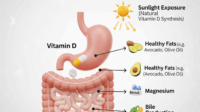
Vitamin D belongs to the fat-soluble family. That classification is more than trivia—it shapes what your body needs in the background. Fat-soluble vitamins typically hitch a ride with dietary lipids, moving through processes that rely on bile and the digestive system’s ability to package nutrients efficiently.
So when you pair Vitamin D with yogurt, you’re not only timing nutrients. You’re potentially improving the odds that Vitamin D is absorbed effectively. This is where the story gains momentum: not all yogurt behaves the same, and fat content becomes the deciding variable.
Think of Vitamin D as a gemstone. Some gemstones are set in gold and glitter; others sit on bare metal and don’t shine the same. In this metaphor, “gold” is dietary fat.
Yogurt as a delivery system: why the fat percentage matters
Most people assume yogurt is simply yogurt. But fat content turns it into a different instrument. Full-fat yogurt often provides more lipid content, which can support the mechanisms used for fat-soluble vitamin absorption. Low-fat or fat-free yogurt still has its benefits—protein, calcium (in many varieties), and probiotics—but it may provide fewer lipids to assist Vitamin D’s journey.
If your yogurt is fortified with Vitamin D, the question becomes even more interesting: you can be eating Vitamin D and still have absorption influenced by the surrounding meal context. If you take Vitamin D supplements and pair them with yogurt, the same logic applies—how much fat is present can influence how your body handles the vitamin.
Curiosity should sharpen here. Try noticing labels. Check the fat grams per serving. A small difference can matter, especially when you’re using yogurt as a “Vitamin D buffer” rather than a neutral backdrop.

Fortified yogurt vs. plain yogurt: two different routes to the same goal
Not all yogurt contains Vitamin D. Many plain yogurts are simply dairy products with naturally occurring nutrients. Fortified yogurt, however, has Vitamin D added—sometimes in noticeable amounts. This changes how you might structure your intake.
With fortified yogurt, you may be aiming for a dietary dose. With plain yogurt paired to a Vitamin D supplement, you’re aiming for improved absorption. Either way, the fat conversation remains relevant because the vitamin still depends on the digestive environment.
Here’s a practical way to shift perspective: think less about “yogurt contains Vitamin D” and more about “yogurt participates in absorption.” Even if yogurt lacks Vitamin D, its fat content may still shape what happens after you ingest a supplement.
Timing: breakfast pairing, meal composition, and the absorption window
Timing is rarely the sole factor, but it can act like the conductor in an orchestra. Taking Vitamin D with yogurt during a meal may be more supportive than taking it on an empty stomach—especially if the yogurt contributes dietary fat.
Short and sweet is tempting. But fat-soluble vitamins appreciate a context. If your breakfast includes yogurt plus eggs, nuts, or avocado, the meal becomes lipid-rich enough to better support transport and absorption processes.
Longer story: absorption can vary among individuals. Gut function, bile release, and overall dietary patterns influence outcomes. So rather than obsessing over perfect timing, aim for consistency. Use yogurt as a repeatable anchor in your routine.
Greek yogurt, skyr, and “higher protein” choices: beneficial, but not automatically fat-friendly
Greek yogurt and skyr often come with high protein and a thick texture. That thickness can be psychologically satisfying, and protein has real health value. Yet higher protein does not necessarily mean higher fat. Many protein-forward yogurts are reduced-fat or fat-free.
So if the goal is to optimize Vitamin D absorption, fat content still matters. You can choose a full-fat version if you’re tolerating it well. Or you can keep a lower-fat yogurt and include additional dietary fat elsewhere in the meal.
It’s a balancing act. Nutrient quality isn’t a single slider; it’s a set of dials. Protein may support satiety and overall dietary quality. Fat supports absorption pathways. You can honor both without turning meal planning into a stress ritual.

What about lactose intolerance and sensitivities? Yogurt can still be an option
Some people avoid yogurt because of lactose intolerance. However, many yogurts contain less lactose than milk due to fermentation. Lactose-reduced or lactose-free yogurts can be alternatives, letting you benefit from yogurt’s nutritional profile without triggering discomfort.
Vitamin D absorption depends on fat and digestion rather than the mere presence of lactose. Still, gastrointestinal discomfort can interfere with how consistently nutrients are absorbed. If yogurt makes you feel off, choosing a lactose-free option can help preserve both comfort and routine.
In this way, the “best” yogurt is not the most fashionable. It’s the one you can tolerate reliably.
How to choose your approach: supplement + yogurt vs. fortified yogurt alone
Some people prefer supplements for predictability. Others prefer food-first strategies. Neither is automatically superior. The most sensible choice depends on your intake, your lab values (if monitored), and how your diet already supplies fat and vitamin D.
If you use a Vitamin D supplement, taking it with a yogurt meal—especially one with some fat—can support absorption. If you rely on fortified yogurt, you may still want meal composition that includes adequate dietary fat.
Think of it like this: fortified yogurt can provide the cargo. Yogurt fat content and overall meal fat can provide the transport infrastructure.
Safety notes: avoid the “more is always better” trap
Vitamin D is powerful precisely because it’s fat-soluble. That also means excessive intake can accumulate. Don’t treat supplements like candy. Follow dosing guidance from your clinician, especially if you have conditions that affect calcium metabolism or kidney health.
Yogurt is usually not the culprit. Overdoing Vitamin D supplements is. If you’re unsure how much Vitamin D you’re getting from both diet and pills, it’s reasonable to review total intake.
Curiosity can be protective here: knowing your total dose helps you steer clear of unintended over-supplementation.
Bottom line: yes, you can take Vitamin D with yogurt—fat content shapes the payoff
Taking Vitamin D with yogurt is not only plausible—it can be smart. The key variable is fat content, because Vitamin D behaves like a fat-soluble nutrient that appreciates the right digestive environment. Full-fat yogurt may offer an easier absorption pathway, while low-fat options may still work if your meal includes other dietary fats.
So the shift in perspective is this: you’re not merely combining foods. You’re engineering a nutritional context—subtle, physiological, and surprisingly elegant. Choose yogurt you enjoy, pair it consistently with meals that make sense, and keep an eye on total Vitamin D intake for long-term balance.