If you’ve been taking vitamin D supplements faithfully and your lab results still come back “low,” it can feel like the body isn’t listening. That frustration is common. One might assume supplementation is a simple equation—take, absorb, improve. Yet the biology is rarely so straightforward. Vitamin D can remain stubbornly suboptimal due to a tangle of factors: from absorption quirks to dosing timing, from lifestyle shadows to hidden medical contexts. The fascination here is not merely that vitamin D can “linger,” but that the body’s handling of it is exquisitely sensitive to the environment you live in and the physiology you carry.
1) You may be taking the wrong dose for your current deficiency
Vitamin D deficiency isn’t all the same. Some people are mildly low; others are severely depleted, and their starting point changes what “enough” looks like. A dose that nudges mild deficiency into range may not rescue profound deficiency. When the bloodstream remains under-supplied, the supplement can become a slow drip instead of a meaningful replenishment.
Consider this: if your baseline is deeply low, maintenance dosing often isn’t enough. Treatment-oriented dosing may be necessary before switching to a steadier routine. Without adjusting the dose to the severity of the deficit, results can stall.
2) Absorption may be the bottleneck, not the intake
Many people imagine vitamin D travels straight from capsule to blood like a courier. In reality, absorption is a gatekeeper. Vitamin D is fat-soluble, which means it relies on dietary fat and functional digestion for efficient uptake. If you take it on an empty stomach or with a low-fat meal, absorption may be dramatically reduced.
Also, certain gastrointestinal conditions can interfere—celiac disease, inflammatory bowel disease, chronic pancreatitis, or bile production problems. Even medications can indirectly reduce absorption by shifting how the gut processes fats.

3) Timing matters more than people expect
Vitamin D isn’t only about “how much,” but also “when.” Taking your supplement at a time when fat digestion is active—often with your largest meal—can improve assimilation. Spreading doses across the day may also help some individuals maintain more stable blood levels.
Meanwhile, if you take your vitamin D inconsistently, blood concentrations can yo-yo. A single missed day is usually not catastrophic, but chronic irregularity can keep your levels from climbing.
4) You might be taking vitamin D, but not in a form your body converts efficiently
There are different forms of vitamin D supplements, and conversion pathways matter. Most products contain either D2 (ergocalciferol) or D3 (cholecalciferol). Additionally, some people may benefit from forms that bypass slower steps of conversion. If your body struggles with conversion—due to liver or metabolic differences—the result may be persistent low status despite adequate intake.
While labs typically measure 25(OH)D (the storage form), conversion efficiency still influences how much active downstream vitamin D can be produced.
5) Your supplement may be inconsistent in quality or strength
Not every product behaves the same way. Manufacturing differences, labeling inaccuracies, storage conditions (like heat exposure), or formulation changes can all affect potency. If you’re switching brands frequently, or buying from sources with variable quality control, you may be unintentionally under-dosing.
Even with reputable products, some individuals experience better results when they choose a straightforward formulation and maintain it consistently for a full cycle before re-testing.
6) Lifestyle variables keep “re-depleting” your vitamin D
Vitamin D is not a one-time event; it’s a seasonal and behavioral rhythm. Limited sun exposure—especially behind windows, with high sunblock use, or during long indoor shifts—can prevent your body from recharging its stores. Latitude, season, skin pigmentation, and clothing coverage all contribute.
If you live in a place with long winters or spend most of your time indoors, supplementation may need to work harder. Otherwise, the deficit becomes a revolving door rather than a closed chapter.
7) Weight and fat distribution can change vitamin D dynamics
Because vitamin D is fat-soluble, body composition plays a role in distribution. Higher adipose tissue can sequester vitamin D, effectively lowering the amount circulating in the blood. This means a person with more body fat may require a higher dose to reach the same lab target.
It’s not “fault” or “failure.” It’s pharmacokinetics in a human body—distribution into fat compartments can make blood levels slower to rise.
8) Kidney, liver, or endocrine conditions may interfere
Your body converts and regulates vitamin D through organs and hormones. Liver dysfunction can impair conversion from precursor forms into useful storage forms. Kidney disease can affect further processing into active forms and influence overall vitamin D status. Endocrine conditions—such as hyperparathyroidism—can also skew the balance and keep levels from stabilizing.
If supplements seem to produce little change, it can be a clue to request a broader clinical context rather than repeating the same plan endlessly.
9) Some medications can lower vitamin D or alter metabolism
Certain medications can reduce vitamin D levels directly or indirectly. Some anticonvulsants speed up metabolism; corticosteroids can change vitamin D handling; weight-loss medications and certain drugs affecting bile can alter absorption. Even some cholesterol-lowering agents may influence fat-soluble vitamin dynamics.
If you’re on long-term therapy, it’s worth reviewing interactions with a clinician. Sometimes the vitamin D isn’t “low”—the schedule and metabolism around it are changing the rules.
10) You may not be re-testing at the right time—or you’re chasing the wrong marker
Vitamin D repletion takes time. Many people re-test too soon and then feel discouraged. Blood levels can take weeks to months to reflect dosing changes, depending on severity and absorption. Another pitfall is focusing on a single number without context: different lab targets may be used, and symptoms don’t always correlate perfectly with blood concentrations.
Consider that “still low” could be a timing issue. Or the dose could be rising but not yet reaching the threshold you’re expecting. A thoughtful re-test schedule—often after sufficient time—can prevent misinterpretation.
Bringing it all together: a smarter next step
Persistent low vitamin D after supplements is rarely a single-cause puzzle. It’s usually a convergence of dosing, absorption, timing, body composition, lifestyle, and physiology. The next phase should feel less like trial-and-error and more like guided calibration. Start by reviewing how the supplement is taken (with food? consistent? which form?), how long it’s been, and what your starting deficiency level was.
If results remain stubborn, a clinician can evaluate related labs and potential contributors, including liver/kidney function, calcium and parathyroid status, and conditions that affect absorption. The goal isn’t just “normal numbers.” It’s durable, resilient vitamin D status—so your body has enough in the reserves when the seasons turn.
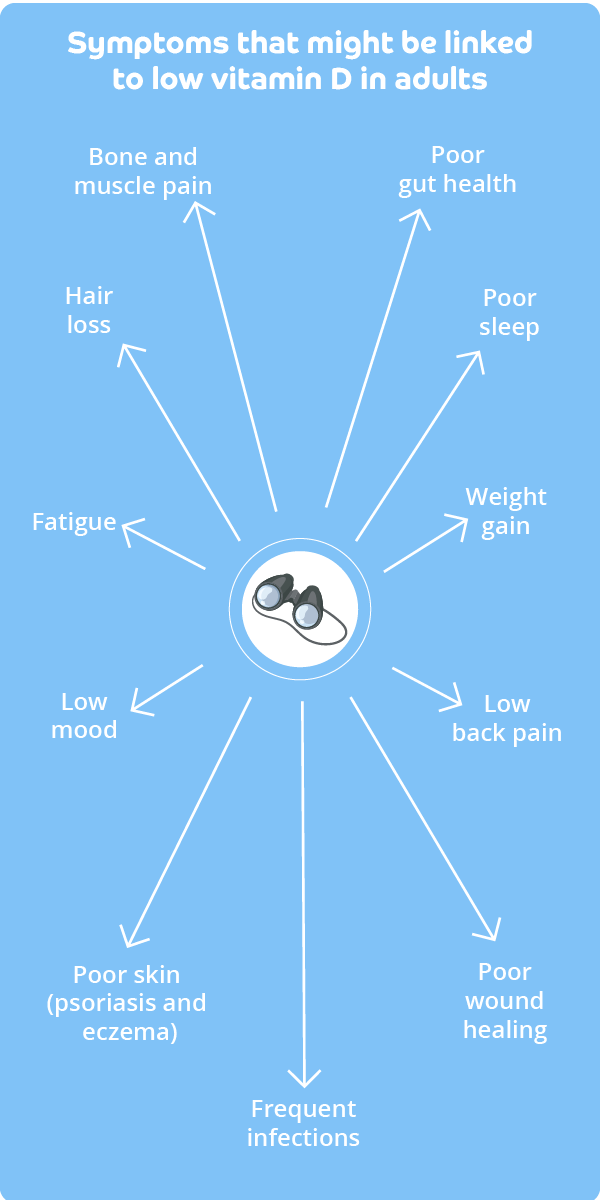
Image note: If you notice symptoms that overlap with vitamin D deficiency, consider discussing them during follow-up testing. This can help connect lab findings with real-world impact.
In the end, the fascination isn’t that vitamin D can be difficult—it’s that your body offers clues. When supplementation doesn’t work as expected, those clues are often pointing to deeper mechanisms worth understanding, not ignoring.