Butter coffee—often called “bulletproof style”—has become a ritual for people who want warmth, satiety, and a steady glide into their day. Then there’s the question that tends to pop up in kitchens and routines alike: can you take vitamin D with butter coffee? The answer isn’t a simple yes-or-no. It depends on how vitamin D is formulated, what else is in your brew, and how your body actually processes fat-soluble nutrients. Let’s walk through the science, the practical options, and the content readers can expect—from ingredient choices to timing strategies, and even what to do if your vitamin D tablet feels “sticky” or unpleasant alongside caffeine.
Vitamin D 101: Why the “D” Is Different
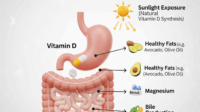
Vitamin D is a fat-soluble vitamin, meaning your body prefers to absorb it in the presence of dietary fat. That’s the first reason butter coffee gets people thinking. In plain terms, the fat in butter coffee can act as a transport medium, helping vitamin D travel through the digestive system more efficiently. But fat does not automatically guarantee perfect absorption—your gut, your dose, and your overall meal pattern still matter.
Different vitamin D forms exist (most commonly D3/cholecalciferol). D3 is often favored for supplementation due to how your body converts and uses it. If your supplement is oil-based or taken as drops in an oil carrier, pairing it with a fatty beverage tends to be even more congruent with the vitamin’s biology.
Butter Coffee Basics: What’s Actually in the Cup?
Bulletproof-style butter coffee usually includes coffee, butter (or ghee), and sometimes coconut oil or MCT oil. Each component nudges absorption in its own way. Butter and ghee contribute fat-soluble transport capacity, while MCT oil (if used) is absorbed quickly and can support a smooth metabolic experience for some people. Coffee itself can be a wild card: it doesn’t block vitamin D in a dramatic way for most people, but it may influence digestion and appetite timing.
Milk-free, low-sugar versions are common. That matters, because sugar spikes and insulin swings can change how your body handles nutrients around the time you take supplements. Butter coffee is generally steady, not frantic—so it often pairs well with fat-soluble vitamins from a “timing and meal context” perspective.
Can You Take Vitamin D With Butter Coffee? The Practical Verdict
In most cases, yes—taking vitamin D with butter coffee can be reasonable, especially because vitamin D is fat-soluble. Many people take vitamin D with a meal that contains fat, and butter coffee can effectively function like that “meal context” even when it’s lighter than a full breakfast.
However, the “how” is where nuance lives. If you take vitamin D on an empty stomach, absorption may be less reliable for some individuals. If you take it alongside substantial fat (as butter coffee often provides), absorption often improves. So the pairing is usually sensible from a nutrient-compatibility standpoint.
That said, consider the supplement form. If your vitamin D is a chewable gummy, a watery gel, or a powder in a minimal-fat vehicle, it may behave differently. For oil-based drops or capsules, the compatibility with butter coffee is typically stronger.
Timing Strategies: Morning Brew, Midday Meal, or Evening Routine?
Timing can be thought of like choreography. Your digestion has rhythm, and your habits create cues. Many people like to take vitamin D in the morning with their coffee routine because it’s consistent. That consistency supports adherence, which is often the real determinant of results.
If you’re prone to stomach sensitivity, you might prefer taking vitamin D with butter coffee after a few bites rather than immediately on an empty stomach. A slow ramp can feel better and may support steadier absorption.
Some readers may choose evening. Vitamin D doesn’t have a strict clock like melatonin, but evening dosing with a fat-containing meal can still align with fat-soluble absorption. The best approach is usually the one you can maintain without discomfort.
What About the Caffeine Factor?
Caffeine is not a vitamin D “antagonist” in the way certain medications can be. Still, caffeine can affect digestion, gut motility, and how quickly you feel hungry again. For people who are caffeine-sensitive or prone to reflux, butter coffee might create an acidic or “busy” stomach environment.
If that happens, take vitamin D with a calmer cadence: a smaller cup, less butter, or after a brief snack. Your goal is not merely absorption—it’s tolerability. A vitamin you can’t comfortably take is a vitamin that won’t be taken consistently.
Bulletproof Style Variations: Choose Your Fat Wisely
Not all butter coffee is created equal. If your brew includes butter or ghee plus MCT oil, the fat content is typically higher, which can be beneficial for a fat-soluble vitamin. If your butter coffee is more minimal—say, a splash of butter with little else—the fat may be lower, potentially changing how well the vitamin is absorbed.
Also consider the “fat quality” story. Saturated fats and mono/polyunsaturated fats differ in metabolic effects, but for vitamin D absorption specifically, the presence of fat is the primary variable. Still, your overall diet matters, because vitamin D works inside a larger network of nutrients involved in bone health, immune modulation, and calcium handling.
Supplement Forms: D3 Drops, Capsules, Gummies, and Powders
This is where readers can expect a practical breakdown. Different products behave differently in a fat-containing beverage:
Vitamin D3 capsules: Often easiest to take with a fatty drink. You can swallow the capsule with butter coffee or, if your product instructions allow, with a sip to wash it down smoothly.
Vitamin D3 drops: These tend to integrate well. Since they’re frequently oil-based, the synergy with butter coffee can feel natural.
Gummies: Gummies are less dependent on fat, but taking them alongside butter coffee may still support absorption indirectly. The texture and sweetness, however, may clash with the taste profile of butter coffee for some people.
Powders: Mixing powders into hot coffee can change texture and mouthfeel. If you use powder, stir thoroughly and ensure you follow product guidance about heating.
Dosage Reality Check: Avoid the “More Is Better” Trap
Vitamin D supplementation can be powerful, yet overdoing it is not a performance upgrade—it can be hazardous. Too much vitamin D can lead to calcium imbalance, and that’s where problems begin. Butter coffee doesn’t alter that risk; it only supports the fat-soluble absorption mechanics.
Many people take a conservative daily dose based on personal needs, recent lab results, and guidance from a clinician. If you’re unsure, treat your dosage like a tailored garment rather than a one-size costume.
If you’re taking additional supplements that also contain vitamin D (multivitamins, calcium formulas, cod liver oil), add them up. Readers who love “stacking” often forget to total their D intake.
Common Mistakes: The Little Errors That Matter
Several missteps show up repeatedly:
Taking vitamin D on an empty stomach consistently: Absorption may be less reliable.
Using a fat-free coffee “butter substitute”: If the brew lacks fat, the absorption advantage weakens.
Skipping the rest of the day’s nutritional context: Vitamin D works best as part of a comprehensive routine. Bone health, magnesium status, and overall diet all contribute.
Ignoring medication interactions: Some drugs can affect vitamin D or calcium metabolism. If you take steroid medications, weight-loss medications, or certain cholesterol-lowering agents, it’s worth checking compatibility with a healthcare professional.
What Content Readers Can Expect Next: A Simple Takeaway Routine
If you’re deciding how to implement this, expect a straightforward plan you can adapt:
Start small: Take your vitamin D with butter coffee during a meal-like routine (not necessarily right as you wake up with nothing in your stomach).
Be consistent: Consistency beats sporadic “perfect” timing.
Watch your body: If butter coffee triggers reflux or nausea, adjust the cup size or take vitamin D after a few bites of food.
Reassess with labs: Periodic testing helps confirm whether your dose is adequate or excessive.
Butter coffee can be a supportive carrier for vitamin D’s fat-soluble absorption. The best outcome comes from pairing biology with habit: steady timing, compatible supplement form, and a dose that fits your unique physiology.