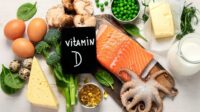
Vitamin D has a quiet superpower: it helps your body absorb calcium, supporting bones, muscles, and even immune resilience. Yet many people treat vitamin D like a standalone nutrient, forgetting that absorption is less about what you swallow and more about what your gut can “carry.” Fat—specifically the right fats—turns vitamin D from a passenger into a true traveler through your digestive tract. And that’s where the fascination begins. It’s not merely about nutrition; it’s about chemistry, timing, and the choreography of digestion.
Why Vitamin D Needs Fat: The Absorption Backstory
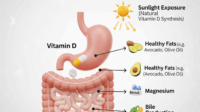
Vitamin D is fat-soluble. That means it dissolves into fats and moves through the intestines with help from bile and micelles—tiny transport vehicles that ferry lipophilic compounds. Without dietary fat, vitamin D may still be absorbed, but often less efficiently. The common observation is simple: “I take vitamin D, so why don’t I feel the difference?” The deeper reason is that absorption can be throttled by low-fat meals, inconsistent meal composition, or gastrointestinal factors that influence bile secretion.
Think of fat as a solvent and a delivery network. It coaxes vitamin D into a form your body can absorb, then supports transport through the lymphatic system. This is why pairing vitamin D with meals containing healthy fats often yields better absorption than taking it with a plain, low-fat snack.
Olive Oil: The Smooth Facilitator of Nutrient Transport
Extra-virgin olive oil is a familiar staple in Mediterranean eating, but its role goes beyond flavor. It provides monounsaturated fats that can enhance the solubilization of fat-soluble vitamins, including vitamin D. The texture matters too: liquid fats are typically easier for the digestive system to integrate and emulsify.
Try it as a drizzle over roasted vegetables, tossed into grains, or folded into a warm salad. A modest amount—often enough for a tablespoon or two—can make a noticeable difference in how effectively your meal supports vitamin D uptake.

There’s a reason olive oil is repeatedly celebrated: it’s reliable, steady, and gentle on the digestive rhythm. It feels like a small choice, but biology tends to reward consistency.
Avocado: Creamy, Fiber-Rich, and Absorption-Friendly
Avocado combines monounsaturated fat with fiber and micronutrients. Fiber won’t “compete” with vitamin D so much as it can improve gut environment and regularity—conditions that make overall digestion more competent. The fat portion helps vitamin D hitch a ride through the intestinal ecosystem.
Use avocado in a bowl with eggs, grilled salmon, or chickpeas. The pleasure is part of the mechanism: satiety encourages meal completeness, and complete meals are more likely to support consistent fat-soluble vitamin absorption.
Nuts and Nut Butters: Slow-Burning Fats for Better Consistency
Walnuts, almonds, and pistachios offer a blend of fats that can support vitamin D absorption. They also bring protein and fiber, which often leads to slower digestion. Slower digestion isn’t inherently better, but it can create steadier conditions in the digestive tract—especially when vitamin D is taken with a meal.
Choose nut butters without added sugars, and pair them with vitamin D-containing meals. A spoonful into yogurt, oatmeal, or a smoothie can turn a simple routine into an absorption-optimized ritual.
Fatty Fish: Omega-3 Richness with a Practical Edge
Salmon, sardines, mackerel, and trout aren’t just nutritional icons—they’re pragmatic partners to vitamin D. Fatty fish provide vitamin D naturally and also supply the fats that help it be absorbed. It’s a double contribution: the nutrient arrives with its preferred transport medium.
If you’re focusing on “maximum absorption,” this is the most elegant pairing in the food world. A meal of grilled salmon with olive oil and greens, for example, gives vitamin D both in substance and in an absorption-friendly context.
.jpg)
There’s something almost poetic about fish as “ocean medicine.” The fascination isn’t only taste—it’s the way biology aligns with food composition.
Egg Yolks: Small Package, Big Role
Egg yolks contain vitamin D and fats that support absorption. They’re also an easy way to increase meal fat without overhauling your whole diet. Many people overlook yolks because of cholesterol anxieties or habit patterns, but from a vitamin absorption standpoint, yolks are efficient.
Pair eggs with a modest amount of olive oil or avocado. Add vegetables for volume and micronutrients. The result is both satisfying and nutritionally coherent.
Full-Fat Dairy (If Tolerated): Creamy Absorption with Comfort
For those who tolerate dairy, whole milk, Greek yogurt, and cheese provide fats that can enhance vitamin D absorption. Dairy also often contains protein and minerals that support overall meal quality. While not all dairy provides meaningful vitamin D, the fat content can still help optimize how your body uses the vitamin D you ingest through supplements or fortified products.
Consider yogurt with nuts and fruit, or a cheese-based meal paired with vitamin D supplementation. The “comfort” factor matters: when people enjoy meals, they’re more likely to eat consistently—another quiet determinant of long-term absorption.
Cooking Oils and Butter Alternatives: Choose Wisely, Don’t Overcomplicate
Butter, ghee, and plant oils can all provide the lipid environment vitamin D requires. However, the quality and the overall dietary pattern matter. Oils high in saturated fats may be fine in moderation for many people, but for frequent use, options like olive oil and avocado oil tend to fit better with heart-healthy eating patterns.
When aiming for absorption, the goal is functional: include fat alongside your vitamin D source. The deeper reason to avoid extremes is that absorption is part of a larger metabolic story. Your body regulates digestion, bile flow, and lipid handling over time.
How to Pair It: Timing, Meal Structure, and Practical Habits
Pair vitamin D with your fattiest meal of the day. If you take a supplement, treat it like a “meal companion” rather than a standalone tablet. Include fat and, ideally, some fiber or protein for meal completeness. Even a balanced plate—vegetables plus a protein plus a fat—can create the conditions needed for efficient absorption.
Also consider that inconsistent meal patterns can lead to inconsistent absorption. Your gut isn’t a metronome; it responds to what you repeatedly do. The deeper fascination here is that absorption is behavior-laced—nutrition science meets lifestyle science.
Common Missteps: The Low-Fat Trap and the “Sunshine Myth”
One of the most common observations is that vitamin D supplementation alone “should work.” Sometimes it does, but low-fat meals can undermine the process, especially for people who take supplements with breakfast cereal or skim-milk routines. Another misstep is assuming that “more sunlight equals more use.” Sun exposure helps your body synthesize vitamin D, but that doesn’t automatically guarantee optimal absorption efficiency in every dietary context.
If your diet is consistently low in fat, you may need to adjust meal composition—not necessarily to extremes, but enough to support fat-soluble transport.
Bottom Line: The Best Fats Are the Ones You’ll Consistently Eat
For maximum absorption of vitamin D, the “best fats” are those that reliably appear with your vitamin D source: olive oil, avocado, nuts and nut butters, fatty fish, egg yolks, and full-fat dairy if tolerated. These foods provide the lipid environment vitamin D needs to travel efficiently through digestion.
Choose fats that match your palate and routine, not just a theoretical ideal. Because absorption is both chemistry and consistency—and the body tends to reward what you repeat.