Picture your morning routine as a small ritual of alchemy: a simple cup of lemon water, a supportive supplement, and a body that responds to signals more readily than we often assume. The question—Can you take Vitamin D with lemon water?—isn’t just about “can” or “can’t.” It’s about how you pair ingredients so they land in your system with maximum coherence. Vitamin D is a fat-loving nutrient, while lemon is bright, acidic, and refreshingly brisk. Put them together thoughtfully, and you can turn timing into a quiet advantage.
Vitamin D and Lemon Water: Two Nutrients, Different Natures
Vitamin D behaves like a meticulous courier. It prefers the company of dietary fat to travel effectively through the body. Lemon water, in contrast, is aqueous and acidic—more like a quick spark than a vehicle. Citrus can feel energizing on the palate, but it doesn’t meaningfully “activate” vitamin D the way fat does.
So yes, you can take Vitamin D while drinking lemon water. The main point is not chemical compatibility in the cup—it’s absorption mechanics over the hours that follow. Think of Vitamin D as a key that fits a lock. Lemon water doesn’t break the lock. It simply isn’t part of the key’s optimal pathway.
Metaphor highlight: Vitamin D is a brass instrument that needs warm airflow. Lemon water is a cool breeze. You can use both, but the warmth—usually from food—still matters for the performance.
Does Lemon Water Affect Vitamin D Absorption?
Lemon water itself is unlikely to directly inhibit Vitamin D absorption in any dramatic way. However, absorption isn’t determined by a single moment; it’s shaped by the conditions around that moment. Vitamin D supplements—especially cholecalciferol (D3)—are absorbed best when your intestines have something to work with, including the presence of fat.
If you drink lemon water on an empty stomach and take Vitamin D without any accompanying meal, absorption may be less efficient. If you take Vitamin D with a meal—even a modest one—lemon water becomes more of a companion than a variable.
In other words: lemon water is generally not the villain. The “villain” is often poor pairing with low-fat intake or inconsistent timing.
The Timing Sweet Spot: Morning, With Food, or Later?
Timing is where the routine becomes personal. Many people prefer mornings because it sets the tone. But Vitamin D doesn’t care about your clock obsession; it cares about your digestive context.
Option A: Morning with breakfast. If breakfast includes some fat—eggs, yogurt, avocado, nuts—taking Vitamin D with lemon water during breakfast can be a smooth, practical ritual. Lemon adds brightness; food adds the absorption support.
Option B: Midday with lunch. For those who skip breakfast or eat very lightly, lunch is often a better anchor. Lemon water can be consumed with lunch or shortly before, but the supplement should be paired with the meal’s fatty components.
Option C: Evening with dinner. Evening dosing can work equally well. Some people notice better adherence at night because mornings are chaotic. If you take it with dinner, the same absorption logic applies: fat present equals better opportunity.
Short sentence, strong idea: Choose the time you reliably pair with a meal.
How to Take It: Practical Steps That Keep Things Simple
If you want to combine Vitamin D with lemon water without overthinking, follow a clear sequence:
Step 1: Drink lemon water if you enjoy it, either alongside food or as part of your meal routine.
Step 2: Take Vitamin D with the supplement itself during that meal window. Capsules and softgels are usually designed for this context.
Step 3: Keep hydration consistent. Vitamin D doesn’t require extra water in a “special way,” but adequate hydration supports overall digestion.
Uncommon but useful metaphor: Your digestive tract is a carousel. Vitamin D rides best when the carousel has enough “weight” beneath it—meaning dietary fat—rather than when it’s empty.
What About Vitamin D Type and Form?
Vitamin D comes in different forms, and the “timing” question can shift slightly depending on your supplement type. Most commonly, Vitamin D3 is used because it’s effective at improving vitamin D status. Some supplements come as:
Softgels: Often more naturally absorbed with food due to the capsule composition.
Tablets: Still generally benefit from taking with a meal.
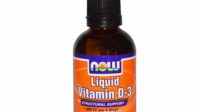
Liquid drops: These may be easier to dose precisely; if they contain an oil base, fat pairing becomes even more relevant.
Lemon water is generally compatible with these forms. The decisive factor remains the meal context around your dosing.
Potential Caveats: Acidity, Stomach Sensitivity, and Medication Interactions
Lemon water can irritate some people, particularly those with reflux or sensitive stomachs. Vitamin D can be gentle for most users, but if your gastrointestinal tract is already sensitive, consider adjusting your approach.
If you have GERD or frequent heartburn: Take Vitamin D with dinner rather than right after acidic drinks. You might also reduce lemon concentration or use less frequent lemon water.
If you take medications: Vitamin D can interact with certain drugs indirectly via calcium metabolism or vitamin regulation. Examples include some anticonvulsants and corticosteroids. If you’re on medication, confirm your plan with a clinician. This isn’t fear—it’s precision.
Short sentence: Listen to your stomach.
Why People Love Lemon Water Timing (Beyond the Science)
Lemon water has a distinct psychological appeal. It feels like a clean beginning, like turning a page with lemon-scented ink. That feeling matters because routines survive on emotional momentum.
Vitamin D supplements, by contrast, can feel dull—until they become part of a ritual. The unique appeal of pairing them with lemon water is not that citrus “supercharges” vitamin D; it’s that it turns compliance into a gentle habit.
Metaphor highlight: Think of lemon water as the bookmark. Vitamin D is the story. The bookmark doesn’t rewrite the plot—it helps you return to reading consistently.
Does Timing Change Once Your Levels Improve?
When vitamin D levels normalize, timing can shift from “catch-up urgency” to “maintenance rhythm.” The goal becomes consistency rather than intensity. Whether you take it in the morning, with lunch, or at dinner, you’re aiming for steady absorption.
Many people find the simplest schedule wins long-term. If you test periodically and adjust dosage under professional guidance, you can keep timing stable and focus on adherence.
Long sentence, clear conclusion: A reliable routine you can repeat beats a perfect plan you abandon.
Suggested Timing Templates (Choose Your Favorite)
Template 1: Breakfast pairing. Lemon water + Vitamin D during eggs/yogurt/avocado breakfast.
Template 2: Lunch pairing. Lemon water with a lunch that includes olive oil, nuts, or fish; supplement taken during the meal.
Template 3: Dinner pairing. Lemon water earlier in the meal window, Vitamin D with dinner for those who prefer evening calm.
Template 4: Gentle compromise. If lemon irritates you, take Vitamin D with food and enjoy lemon water at another time of day.

Final Take: The Best Answer Is “Yes”—With Context
Yes, you can take Vitamin D with lemon water. The more important question is how you time it relative to food, fat intake, and your personal digestive comfort. Lemon water is a bright companion; Vitamin D is the patient traveler. Give it the right route—usually a meal—and the morning ritual can feel both nourishing and elegantly efficient.
Closing thought: Make timing your quiet advantage. Keep it consistent. Let your body recognize the routine as something safe, repeatable, and supportive.