It’s a familiar moment in health conversations: someone picks up a bottle of fish oil, notices it pairs naturally with vitamin D, and wonders whether omega-3 can truly help the body “use” vitamin D more effectively. On the surface, it sounds almost too tidy—like two nutrients finally finding the same room. But the story is more nuanced. Vitamin D and omega-3 are not simply companions in a supplement cabinet; they participate in overlapping biochemical choreography, influenced by membrane biology, inflammation tone, and the way the gut handles lipids. And yes—your curiosity makes sense, because the fascination is not random. It reflects real physiological intersections that many people experience indirectly, long before they ever read a label.
Why the Question Keeps Coming Up
People often observe that vitamin D feels “stronger” when taken alongside fish oil. Sometimes the observation is subtle: steadier energy, fewer mood dips, or better routine consistency because the supplements are taken together. Other times it’s more direct—stronger perceived benefits, or at least less of the “I took it but nothing changed” frustration. Still, a common misconception forms here: that omega-3 is a magic solvent that makes vitamin D absorb like sunlight through glass.
The truth is less cinematic and more interesting. Absorption is not a single event. It’s a pathway—digestion, emulsification, uptake, transport, cellular activation, and storage. Omega-3 may not “force” vitamin D into the bloodstream, but it can plausibly influence multiple steps—especially the lipid-driven ones—where performance depends on fat handling.
Vitamin D Is Fat-Loving—So Lipids Matter
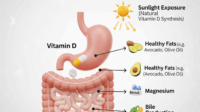
Vitamin D is a fat-soluble vitamin. That means it doesn’t travel well through watery digestive fluids on its own. Instead, it relies on the body’s lipid infrastructure: bile secretion, micelle formation, intestinal uptake, and transport via lipoproteins. In plain terms, vitamin D often needs fat context to be efficiently processed.
Fish oil contributes dietary lipids, particularly omega-3 fatty acids, which can support the digestive environment that vitamin D uses. If vitamin D is taken with a meal containing fat—or alongside a fish oil capsule—its journey may become smoother. The deeper reason this works is that both nutrients belong to the same “logistics network.” One is transported in lipid carriers; the other arrives as lipid fuel.
Omega-3 and the Gut: Emulsification, Micelles, and Uptake
Think of digestion as an orchestral performance. Bile is the conductor’s baton, emulsifying fats into tiny droplets. Micelles are the traveling vehicles that ferry fat-soluble compounds through the watery milieu of the intestine. Omega-3 fatty acids may help nudge this system toward efficient transport—especially in meals that are otherwise low-fat.
When micelles form well, vitamin D has a better chance to join the crowd and move across the intestinal lining. This is not merely theoretical. People who take fat-soluble vitamins without any dietary fat sometimes experience slower absorption. Fish oil, taken with food, can act like a “signal” that tells the digestive system, “fat traffic is active.”
Cell Membranes: Where Absorption Meets Biology
Absorption doesn’t end when vitamin D enters the bloodstream. Vitamin D must eventually interact with cells, bind to carrier proteins, and participate in regulatory pathways. Cell membranes—layered lipid architecture—are central to how molecules behave at the border of “in” and “out.”
Omega-3 fatty acids integrate into membranes, potentially altering membrane fluidity and signaling dynamics. This matters because vitamin D functions through a receptor-driven mechanism, and receptor signaling can be influenced by the cellular environment. Even small shifts in membrane composition can change how signals propagate.
In other words, omega-3 may not only improve the “arrival” of vitamin D—it may influence the “response quality” once vitamin D arrives.
Inflammation Tone: A Hidden Moderator
Another deeper thread is inflammation. Chronic, low-grade inflammation can alter how the body processes nutrients. It can change gut permeability, immune signaling, and the overall biochemical atmosphere in which vitamin D operates. Omega-3 fatty acids are known for their role in resolving inflammatory cascades and modulating immune responses.
If inflammation is high, the body may be less efficient at translating vitamin D status into functional outcomes. Omega-3 doesn’t guarantee higher blood levels of vitamin D in every person, but it may improve the downstream landscape—making vitamin D’s actions feel more “legible.”
That’s one reason people report better perceived results when combining them: they’re not only adjusting absorption; they’re adjusting the interpretive environment inside the body.
Transport Proteins: Vitamin D’s Roadmap
Vitamin D in circulation often travels attached to carrier proteins. This transport system is like a delivery network with specific routes. Omega-3 may influence lipid metabolism and lipoprotein behavior, which can indirectly affect how fat-soluble compounds are packaged and transported.
When omega-3 supports healthier lipid handling, it may help the body move vitamin D more effectively through its normal distribution channels. The effect varies based on individual metabolism, diet composition, and baseline vitamin D status. Some people see strong synergy; others see only modest changes. Still, the mechanism remains plausible because both nutrients inhabit related transport and lipid-processing domains.
Does It Always Work? The Limits of Synergy
Synergy is real, but it is not a universal guarantee. Absorption depends on dose, formulation (soft gels versus liquids), meal timing, baseline deficiency, body fat composition, and even gut health. Vitamin D status is also shaped by sunlight exposure, genetics, liver conversion efficiency, and kidney activation pathways.
Omega-3 can’t replace those variables. It can assist the pathway where fat handling and cellular context matter, but it cannot correct vitamin D deficiency produced primarily by inadequate sun exposure or inadequate overall intake.
Timing and Technique: How to Take Them for Better Chances
Most people get the best results when vitamin D is taken with a meal that includes some dietary fat. Fish oil, likewise, is typically better tolerated when consumed alongside food. Timing matters because it aligns absorption windows and supports bile secretion and micelle formation.
Some prefer taking them together; others separate doses if there’s stomach sensitivity. If you take omega-3, consider taking it during a meal rather than on an empty stomach. A steady routine often outperforms occasional “optimization.” Long-term consistency is a quiet form of efficacy.
What the Claims Should Really Sound Like
It helps to reframe the question. Instead of “Does omega-3 help absorption?” a more accurate phrase might be: “Can omega-3 improve the conditions that support vitamin D’s fat-soluble journey and functional signaling?” That’s more faithful to biology, and it also avoids the trap of expecting one nutrient to solve everything.
Vitamin D is activated and utilized through a multi-stage pathway. Omega-3 may enhance several stages indirectly—especially those related to lipid processing and inflammation modulation—creating a more favorable environment for vitamin D to do its work.
Choosing Supplements: Form, Quality, and Practical Caution
Supplement quality influences outcomes. Fish oil should be properly processed and ideally third-party tested to reduce oxidation concerns. Vitamin D should match your needs and be taken in an appropriate dosage range guided by blood testing when possible.
If you have a medical condition, take anticoagulant medication, or have issues with fat digestion, it’s wise to discuss combinations with a clinician. Nutrients interact with physiology, and physiology is rarely standardized.
A Balanced Conclusion: Not Magic, But Meaningful Overlap
Omega-3 and vitamin D share more than a label—they share a digestive and cellular neighborhood. Omega-3 may help create conditions that support vitamin D’s movement through the gut, its distribution in lipid transport systems, and its downstream signaling environment. At the same time, sunlight exposure, dosing, and individual metabolism set the boundaries.
The fascination persists because the overlap is tangible: both nutrients are fat-soluble, both participate in immune regulation, and both influence how the body interprets hormonal signals. So if vitamin D seems to “make more sense” when paired with fish oil, that impression may have a basis—less in fantasy, more in molecular choreography.
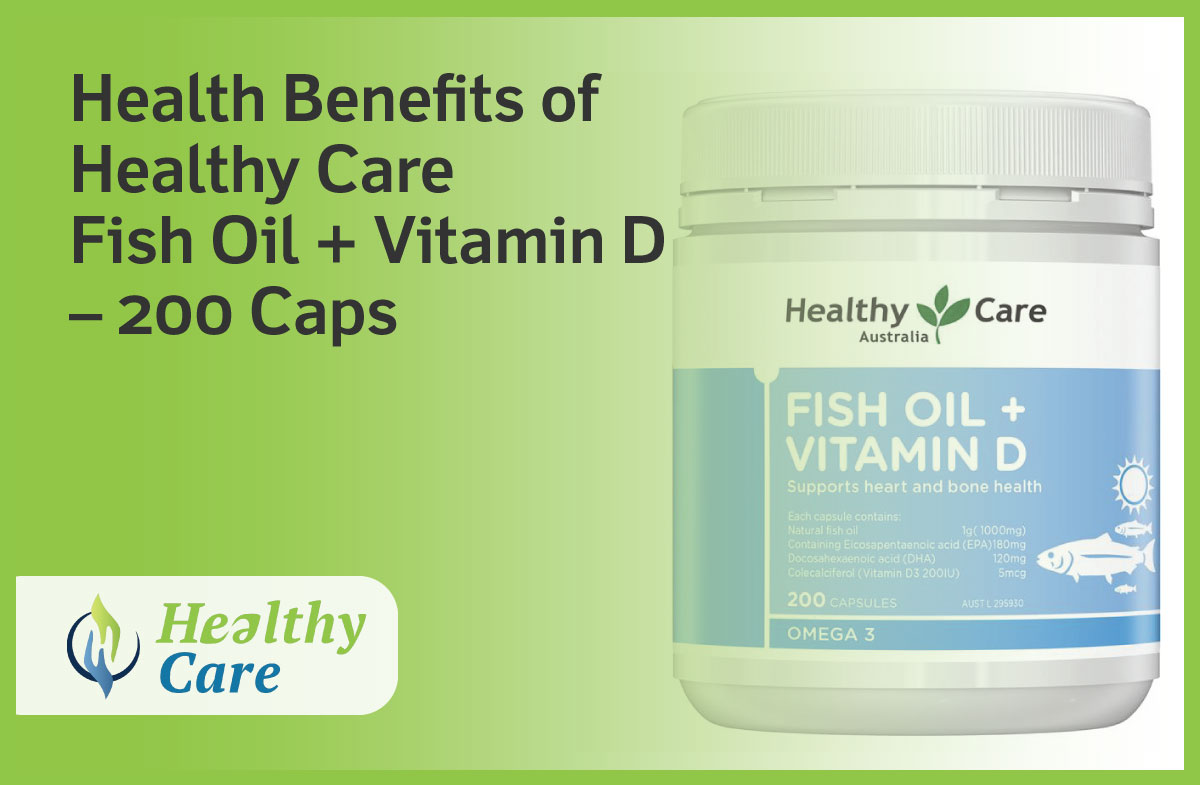
Ultimately, the best approach is not to chase a single miracle mechanism, but to design a supportive context: take vitamin D with dietary fat, use well-formulated omega-3, maintain consistency, and—when possible—monitor vitamin D status with appropriate testing. Then the synergy becomes less of a rumor and more of an evidence-informed routine.