People tend to treat vitamin D as a simple sunshine story—either you get enough light, or you don’t. But the plot thickens when fat enters the scene. Vitamin D doesn’t just “float around” in the body; it behaves like a molecule with preferences, choosing company with lipids instead of water. That’s why the relationship between vitamin D and fat is not a side note. It’s a hinge. And once you notice the hinge, you start seeing why so many everyday observations feel oddly inconsistent—why someone can eat the “right” foods and still test low, why weight changes can coincide with shifting levels, and why absorption can wobble even when sunlight seems adequate.
Vitamin D’s Unusual Personality: Lipid-Loving by Design
Vitamin D belongs to the fat-soluble family, which means it is packaged and transported differently from water-soluble vitamins. Instead of being quickly dissolved and excreted like a transient messenger, vitamin D is more like a seasoned traveler with luggage. It relies on dietary fat and the body’s lipid-handling machinery to enter circulation efficiently.
This is where a common observation becomes confusing: two people eat similar meals, but only one seems to maintain steadier vitamin D levels. It isn’t always about “more” or “less” food. Sometimes it’s about how fat is present—the amount, the composition, and whether bile and digestive processes are working like a well-tuned orchestra.

The Hidden Mechanism: How Fat Helps Absorption Become Real
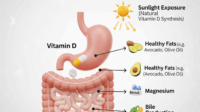
Absorption is not a single door. It’s a sequence of doors. Vitamin D is absorbed in the small intestine, and the pathway depends heavily on fat digestion. Bile acids—released when you consume fat—help emulsify fats, breaking them into smaller droplets. Those droplets become meeting places where fat-soluble vitamins can hitch a ride.
So when someone says, “I’m eating, but my levels don’t move,” a deeper question emerges: are they eating in a way that allows fat digestion to do its work? Even modest differences—like cutting fat too drastically, having inconsistent meal timing, or experiencing digestive disturbances—can alter the absorption landscape.
Short sentence, long implication: vitamin D can be present in your diet, yet still fail to become available to the bloodstream if fat-handling is disrupted.
Body Stores: Why Vitamin D Can Both Accumulate and Lag
Fat isn’t only about digestion. It’s also about storage. Vitamin D can be stored in body fat, and later released as needed. This creates a paradox many people don’t anticipate. Higher fat stores can be associated with altered circulating vitamin D levels, sometimes lowering measured blood concentrations even while total body reserves may tell a more complicated story.
Here’s the fascination: the body treats vitamin D like a long-term asset. That means blood levels can lag behind changes in sunlight exposure or dietary habits. You might improve your routine and still see delayed results. Alternatively, a stressful period, a seasonal shift, or a medication change can influence levels before you “feel” anything different.
It’s not magic. It’s chemistry plus time—storage, release, and metabolism unfolding on their own schedule.
Sunshine Isn’t Independent of Fat: Seasonal and Metabolic Context
Sunlight drives vitamin D synthesis in the skin, but vitamin D doesn’t immediately become usable in isolation. After production, it still must be transported, metabolized, and maintained within a system influenced by lipids and overall energy balance.
Consider the subtlety. In summer, people often report higher vitamin D. Yet winter habits—less outdoor time, clothing coverage, and different meal patterns—can reduce both intake and absorption. Some people also become less active in colder months, altering body composition and metabolic signals. All of this can change how vitamin D behaves in the system.
There’s also a psychological pattern: people equate sunshine with certainty. The body rarely offers certainty. It offers probabilities shaped by physiology.
Dietary Reality: “Vitamin D Foods” and What They Usually Don’t Tell You
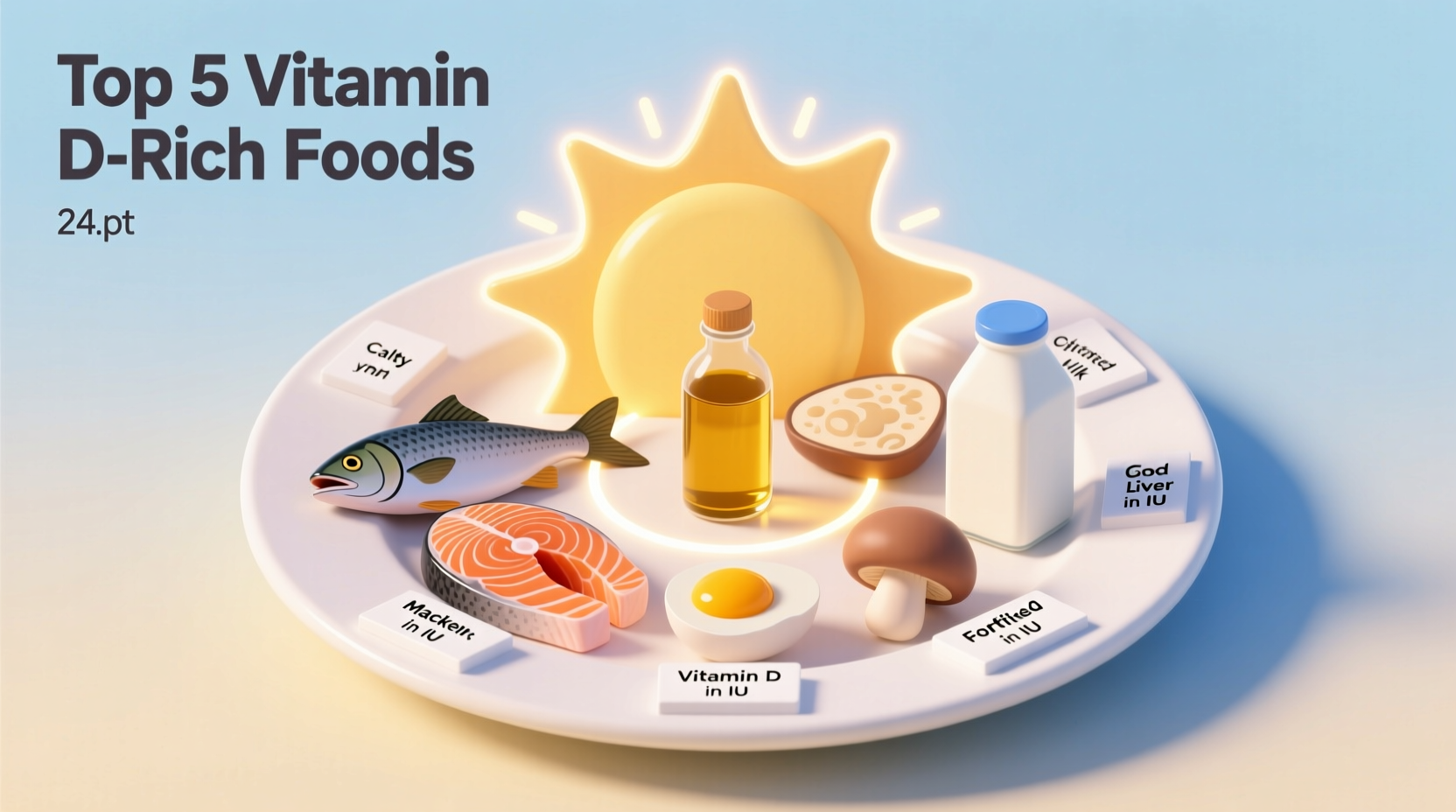
Many foods provide vitamin D naturally—fatty fish, egg yolks, and fortified dairy or alternatives. But the critical relationship is not merely whether vitamin D exists in the food. It’s whether the food arrives with fat in a form your digestion can process.
Even fortification can mislead. A fortified product might have vitamin D but minimal fat, depending on the type. Some people assume they’re covered because the label says “vitamin D.” Yet their gut may require additional lipid context to absorb it effectively.
Think of it as contrast: vitamin D is the passenger; dietary fat is the vehicle; bile acids are the road conditions. Remove one element, and the journey becomes less efficient.
Weight, Fat Distribution, and the Measurement Trap
It’s easy to assume vitamin D status is a simple readout: low level means low stores, right? But blood tests measure circulating vitamin D metabolites, not necessarily the entire reserve picture. Changes in body composition can alter where vitamin D resides and how much remains measurable in serum.
Fat distribution matters as well. Visceral and subcutaneous fat are metabolically distinct, and the vitamin environment around them is not identical. Meanwhile, the body also regulates transport proteins and enzymes that shape circulating availability.
So the same “vitamin D number” can reflect different underlying realities. That’s why some individuals respond to supplementation while others require different strategies, and why researchers and clinicians keep returning to the same theme: vitamin D is entangled with lipid physiology.
Supplementation: The Practical Art of Taking Vitamin D With Fat
When supplementation enters the conversation, the fat relationship becomes a practical lever. Many vitamin D supplements are best absorbed when taken with a meal that includes some dietary fat. This is not superstition—it aligns with the molecule’s fat-soluble nature.
However, “with fat” doesn’t mean “with anything greasy.” Absorption is influenced by meal composition, portion size, and individual digestive competence. Some people take supplements on an empty stomach, then wonder why their results plateau.
Short warning sentence: consistency matters more than perfection. Long planning sentence: pair vitamin D intake with a routine meal, track how you feel and what your labs say, and adjust with informed guidance if needed.
Metabolism and Downstream Outcomes: Why the Interest Isn’t Mere Nutrition Curiosity
Vitamin D’s roles extend beyond bones. It participates in immune regulation and cellular signaling—processes that are closely entwined with metabolic health and inflammation dynamics. Fat is also involved in inflammation pathways and hormone-like signaling. That creates a conceptual braid: vitamin D and fat influence each other directly through absorption and indirectly through systemic biology.
This is where deeper reasons for fascination emerge. Vitamin D deficiency is common, and its consequences can be subtle at first—fatigue, musculoskeletal discomfort, and vague “off” feelings. Meanwhile, fatty tissue is not just storage; it behaves like an active endocrine organ, constantly communicating with the rest of the body.
So when people ask why vitamin D seems to correlate with health outcomes, the answer isn’t one-dimensional. It’s a network. Absorption is one node. Storage is another. Metabolism connects further nodes, and fat-related signaling links the whole system.
Building a Balanced Strategy: Aligning Sun, Food, and Digestion
The most productive approach isn’t to chase a single lever. It’s to coordinate several at once. Aim for sensible sun exposure when appropriate, maintain vitamin D–containing foods, and ensure meals support absorption by including adequate—but not excessive—dietary fat.
Pay attention to your pattern. Are you taking vitamin D inconsistently? Are your meals low in fat for long stretches? Are digestive symptoms interfering? Small changes can be disproportionately powerful because they restore efficiency to a process that’s easily disrupted.
In the end, the relationship between vitamin D and fat is not a mere biochemical footnote. It’s a governing principle. Once you treat it as such, vitamin D stops feeling like a mystery ingredient and starts acting like a predictable component of your physiology—steady, responsive, and surprisingly architectural in how it shapes the body’s systems.