Vitamin D is often described as the “sunshine vitamin,” yet its story is more nuanced than a simple stroll outdoors. In the human body, vitamin D behaves less like a light switch and more like a careful logistics manager—delivering a cargo of bioactive signals that influence calcium handling, immune nuance, and even mood circuitry. But what happens when daily life constrains sun exposure? Many people reach for supplements and then wonder whether the companion foods they choose—especially cheese—can meaningfully improve vitamin D levels. The question is deceptively small. The answer can be surprisingly elaborate.
Vitamin D Levels: The Body’s Delicate Ledger
To understand whether pairing vitamin D with cheese helps, it helps to picture vitamin D metabolism as a ledger with multiple columns. First, vitamin D is absorbed in the gut. Then it is packaged, transported, and converted through hepatic and renal steps into its more active forms. Each phase is susceptible to friction: insufficient fat intake, variable absorption efficiency, and individual differences in baseline stores.
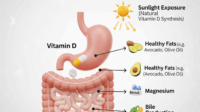
Here’s the key intrigue: vitamin D is fat-soluble. That means it doesn’t simply drift into the bloodstream like a soluble note. It needs the right culinary “envelope” to move smoothly. If absorption is the door, dietary context can be the key.
Why Cheese Might Be More Than a Snack
Cheese is not merely a comfort food; it can be an absorption catalyst. Most varieties contain dietary fat and a protein structure that can slow digestion just enough to improve nutrient handling. Fat presence supports the formation of micelles—tiny transport vehicles that ferry fat-soluble nutrients through the intestinal landscape. In metaphor terms, vitamin D is a violinist; cheese supplies the stage lighting that lets the performance actually be seen.
Additionally, cheese often includes minerals like calcium. This matters because vitamin D and calcium collaborate. When vitamin D levels rise, calcium absorption may become more efficient, creating an elegant biochemical handshake. The pairing can feel like two dancers finding rhythm at last.

The Mechanism: Fat-Solubility and the Art of Transport
Vitamin D’s fat-soluble nature is the central plot twist. Unlike water-soluble vitamins that travel with fluid currents, fat-soluble compounds require lipid-assisted absorption. Cheese provides lipids that encourage the digestive system to create an environment conducive to absorption.
Once dietary fat enters the scene, bile secretion and emulsification increase. This transforms fat and fat-soluble compounds into a more absorbable format. Micelles form like tiny rafts, helping vitamin D navigate the intestinal boundary.
So does cheese increase vitamin D levels? The logic is compelling: if absorption improves, blood levels can follow. But biology always insists on the fine print—timing, portion size, gut function, and the specific vitamin D form (D2 vs D3) can influence the outcome.
What Studies Tend to Measure: Serum Vitamin D as a Signal
When researchers evaluate vitamin D interventions, they often track serum 25-hydroxyvitamin D—a widely used biomarker reflecting overall vitamin D status. Think of it as a dashboard reading: not a direct map of every molecular event, but a useful snapshot of the system’s progress.
In studies assessing food pairing, outcomes typically consider changes from baseline after a supplementation period. The question is not just whether levels rise, but whether levels rise more with cheese versus supplementation alone. Even modest differences can matter, especially for people with low starting stores.
Still, scientific curiosity demands caution. A higher serum value doesn’t automatically guarantee long-term clinical advantage. It can be a useful compass, but the landscape is larger than one measurement.
Short-Term Gains vs Long-Term Balance
Some interventions show that pairing vitamin D with a lipid-rich food can increase absorption promptly. Yet vitamin D’s story is not solely about immediate absorption. Levels depend on ongoing intake, storage in fatty tissues, seasonal sun patterns, and adherence.
Cheese may help at the absorption gate. But what keeps vitamin D stable is consistency—regular supplementation, appropriate dosing, and sensible dietary patterns. The best approach is often less theatrical and more steady, like a metronome rather than a fireworks show.
Cholesterol, Caloric Load, and the “Trade-Off” Conversation
Cheese has a unique appeal, but it is not a free pass. Many cheeses are calorie-dense. Some are high in saturated fat, which may matter for cardiovascular risk profiles. This doesn’t automatically negate the benefits for vitamin D absorption, but it encourages strategic choices.
For example, smaller portions, lower-fat cheeses, or alternating with other fat-containing foods (such as yogurt or avocado) may help retain the absorption benefit without overburdening total caloric intake.
In metaphor terms, cheese can be a “delivery truck” for vitamin D, but too many trucks in the city can create congestion.
How to Take Vitamin D with Cheese: Practical Timing and Pairing
If the goal is to support absorption, the timing of the supplement matters. Taking vitamin D with a meal that includes fat typically aligns better with absorption physiology. Cheese naturally fits this framework—especially when taken alongside a balanced plate.
A sensible approach is to choose a meal rather than an empty stomach. Pairing with a portion of cheese—perhaps in an omelet, salad, or whole-grain toast—can create a reliable “absorption window.”

Still, individual tolerance and dietary preferences matter. Some people may prefer yogurt, olive oil, or nuts—also fat-containing options that can support vitamin D absorption.
Who Might Benefit Most from Cheese Pairing?
Not everyone begins the story at the same starting line. People with limited sun exposure, darker skin, older age, malabsorption syndromes, or higher baseline risk of deficiency may gain more from optimizing absorption.
Cheese pairing could be particularly useful when total dietary fat intake is otherwise low. If vitamin D is taken in the context of minimal fat, absorption may underperform. In contrast, pairing with a fatty food can create a more favorable absorption environment.
But if someone already consumes adequate dietary fat and takes vitamin D regularly with meals, the incremental effect of cheese specifically may be smaller.
Safety Notes: Dose Awareness and Sensible Monitoring
Vitamin D is powerful, yet it demands respect. High doses can lead to toxicity over time, typically manifesting through hypercalcemia and related complications. Therefore, dosage should be aligned with needs, ideally informed by periodic testing.
If vitamin D levels are being adjusted, a healthcare professional can help interpret results and tailor dosing. Cheese pairing may improve absorption, so dose decisions should consider that the supplement’s effectiveness could change with food context.
The Unique Appeal: Comfort Food as a Biochemical Ally
There is something humanly satisfying about the idea that a familiar food—cheese, with its savory depth and creamy complexity—could support nutrient status. This appeal isn’t only emotional. It can be functional, turning a daily ritual into a subtle optimization of physiology.
Vitamin D supplementation is often framed as clinical and procedural. Pairing it with cheese adds a narrative texture: the supplement becomes part of a meal, and the meal becomes part of the strategy. That combination of science and comfort can be surprisingly sticky—easy to remember, easy to repeat, and potentially more effective because adherence improves.
So, does taking vitamin D with cheese improve levels? The underlying biology supports the possibility, largely through fat-facilitated absorption. The real-world outcome depends on dose, baseline status, meal composition, and consistency. Yet the metaphor holds: cheese can serve as the well-lit runway where vitamin D’s journey takes off more smoothly.
Key Takeaways: A Cohesive Strategy
Choose vitamin D dosing that matches individual needs. Take it with a meal that includes dietary fat. Cheese can be a practical option, offering both fat content and palatability that supports adherence. Monitor vitamin D levels when adjusting routines, and consider alternatives if saturated fat or calories are a concern.
In the end, the question isn’t whether cheese is “magic.” It’s whether pairing can improve the mechanics of absorption. And when a nutrient like vitamin D is fat-soluble, pairing with the right culinary environment may turn a simple supplement into a more efficient signal—one well-fed cellular message at a time.