For runners, the body is both engine and infrastructure. When training miles climb, micro-injuries accumulate quietly—often in bones that adapt just a little too slowly. Stress fractures are the nightmare scenario, the kind that turns a “minor tweak” into weeks of forced rest. Two nutrients—vitamin D and calcium—work like steady architectural scaffolding. They don’t guarantee immunity from injury, but they help create the biochemical conditions where bones can remodel efficiently, withstand repetitive loading, and recover with less friction.
Why runners are uniquely vulnerable to stress fractures
Running is a rhythmic impact sport. Every foot strike produces a burst of mechanical stress. Over time, bones respond by remodeling—replacing older bone with newer, stronger tissue. The vulnerability emerges when training demands outrun the remodeling timeline. That mismatch can be influenced by high mileage, sudden pace changes, inadequate energy intake, and biomechanics that distribute load unevenly.
But there’s another layer: bone remodeling is not purely mechanical. It’s orchestrated through signaling pathways that require specific nutrients to function properly. Without sufficient raw materials and hormonal support, bones may become less able to mineralize, leaving microdamage unresolved and increasing the probability of a stress fracture.
Vitamin D: the “bone mineralization” conductor
Vitamin D is often misunderstood as “just a vitamin.” In reality, it behaves more like a hormone precursor. Once activated in the body, it helps regulate calcium absorption in the gut and supports the signaling that promotes healthy bone turnover. In plain terms: without adequate vitamin D, calcium may be present in the diet but fail to be efficiently absorbed. That inefficiency can leave bones under-mineralized, especially during intense training cycles.
Vitamin D also interacts with the immune system and muscle function—both relevant for runners. Better muscle performance and recovery can indirectly reduce aberrant loading patterns. If muscle fatigue increases, form can degrade, and stress shifts to suboptimal areas of the skeleton.
Calcium: the structural mineral in bone’s matrix
Calcium provides the mineral component that gives bone its rigidity. Bone is living tissue—collagen forms the framework, and calcium-based minerals reinforce it. During remodeling, calcium must be available so the skeleton can rebuild microdamage into stronger architecture.
For runners, the challenge is that high training volumes elevate physiological demands. Calcium needs can rise not because the body “asks for more” in a simplistic way, but because the remodeling process becomes more active. When calcium availability is inadequate, the body may compensate by pulling calcium from reserves, which can undermine long-term bone strength.
How vitamin D and calcium work together (not separately)
Think of vitamin D and calcium as a relay team. Calcium is the building block; vitamin D is the logistics manager who ensures the materials are delivered. Vitamin D improves intestinal absorption of calcium, helping raise usable levels circulating to support bone mineralization.
Without vitamin D, calcium intake may not fully translate into bone strength. Without calcium, vitamin D’s benefits can be muted. Together, they support the mineral density of bone and can help create a more resilient “buffer” when training repeatedly challenges the skeleton.
Common deficiency signals runners overlook
Deficiency doesn’t always announce itself dramatically. Some people feel fatigue, vague aches, or a general sense that recovery is slower than it used to be. But these symptoms are nonspecific, and runners often chalk them up to “training.”
Vitamin D deficiency is especially easy to miss because it can develop silently, particularly for athletes with limited sun exposure, darker skin tones, heavy sunscreen use without adequate dietary supplementation, or who train indoors during long seasons. Calcium inadequacy may show up as low dietary intake—especially when runners skip dairy alternatives that are not fortified, or when they eat inconsistently during high-volume blocks.
Diet-first strategies: building a runner-friendly intake
Approaching vitamin D and calcium through food can be elegant and sustainable. Calcium-rich options include dairy (milk, yogurt, cheese) and fortified non-dairy products. Calcium can also be found in certain leafy greens and fortified beverages. However, plant-based sources vary in bioavailability, and some contain oxalates that can hinder absorption.
Vitamin D is trickier to source through food alone. Fatty fish (like salmon or sardines), egg yolk, and fortified foods can contribute, but many runners still fall short. This is where supplementation often becomes relevant—particularly during months with limited sun exposure.
Long sentences sometimes obscure the point, so here it is plainly: aim for consistent daily intake rather than “catch-up” eating. Bones respond to steady remodeling conditions.
Supplementation: choosing formats and using them wisely
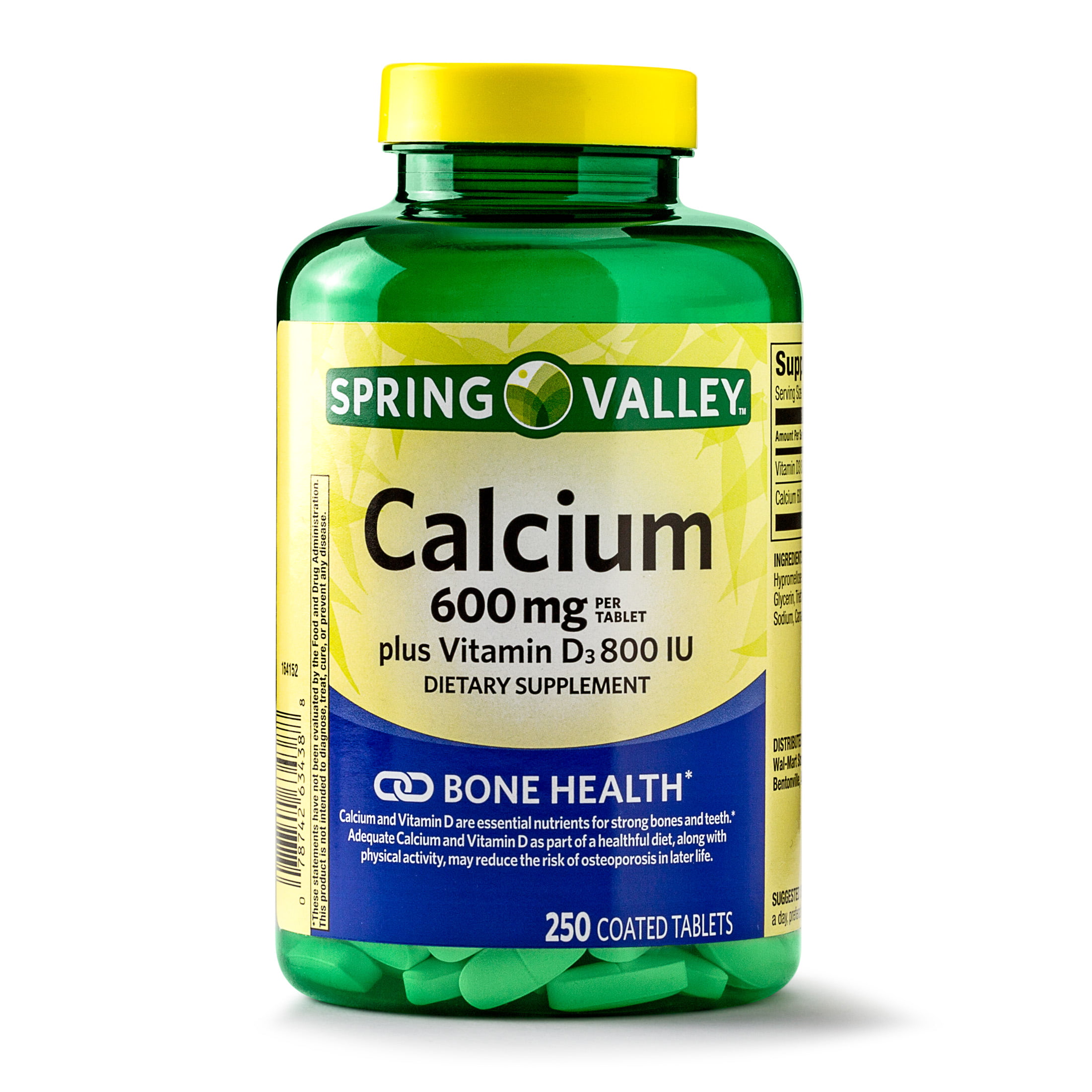
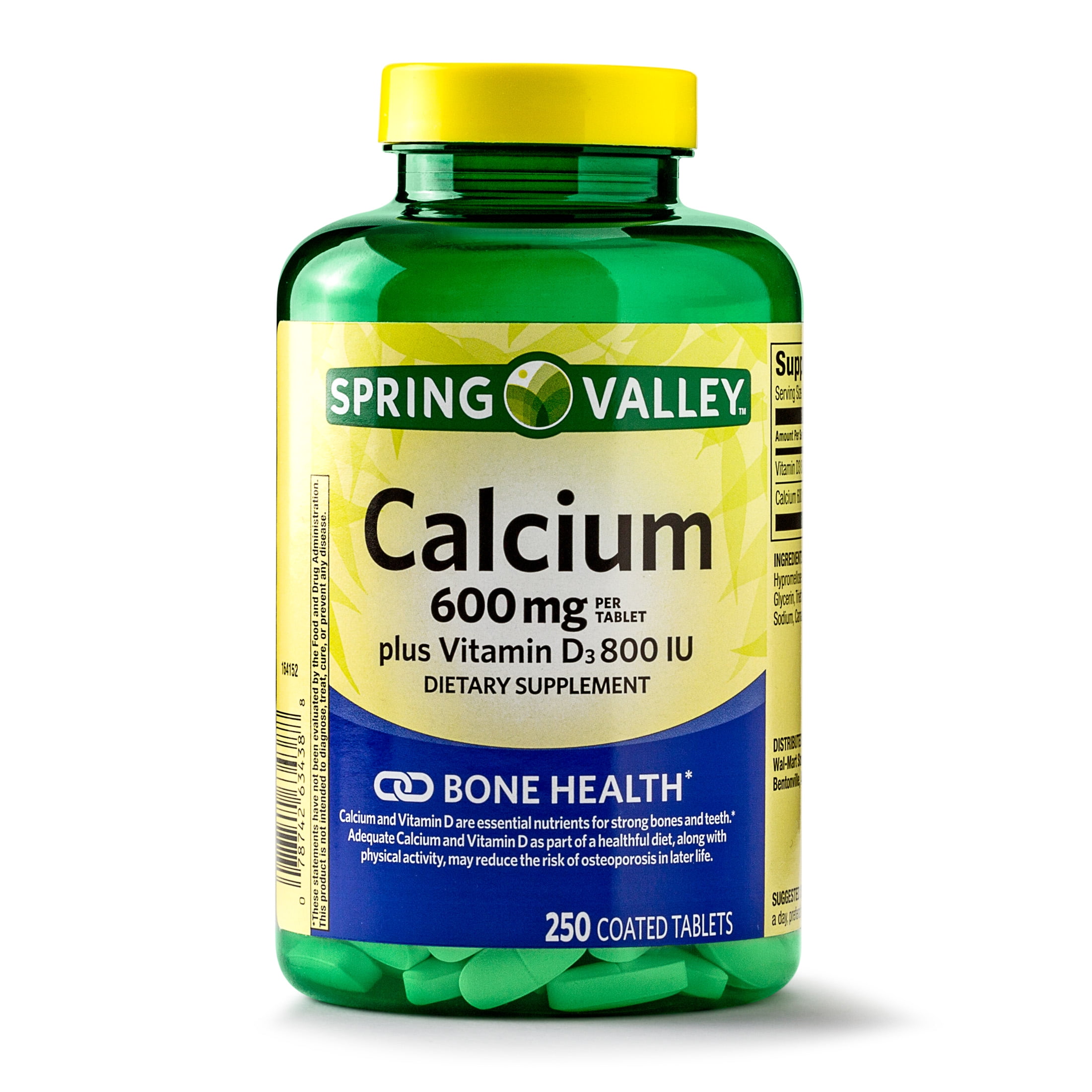
Supplements can help close gaps when dietary intake and sunlight are insufficient. Calcium is commonly available in forms such as calcium carbonate and calcium citrate. Carbonate is often best taken with food, while citrate can be more forgiving on an empty stomach. Vitamin D is frequently provided as D3 (cholecalciferol), which many people tolerate well.
Timing can matter. Splitting calcium into smaller doses can improve absorption efficiency, since absorption mechanisms have a ceiling. Vitamin D dosing schedules also vary—some prefer daily routines, others weekly or periodic strategies guided by lab results.
For runners, the practical goal is to integrate supplements into training life without causing stomach upset. A calm digestive system helps maintain adherence, and adherence is the real catalyst for consistent nutrient status.
Evidence-informed lab checks and professional guidance
Instead of guessing, runners can use laboratory testing to understand their baseline. Vitamin D status is typically assessed via a blood marker used to estimate circulating vitamin D levels. Calcium balance is more complex, since serum calcium can remain normal even when bone stores are not ideal.
Working with a clinician can clarify whether low vitamin D is driving poor absorption or whether other factors—like energy deficiency, low protein intake, or low overall micronutrient variety—are contributing. This is particularly important for athletes with a history of stress fractures, menstrual irregularities, gastrointestinal disorders, or restrictive diets.
Training variables that intensify bone stress
Even perfect nutrition can’t outpace every risky training pattern. Sudden increases in mileage, abrupt hill sessions, frequent speed work on unforgiving surfaces, and inadequate recovery days all amplify loading. Shoes that are too worn or too mismatched to mechanics can alter impact distribution. Biomechanical factors—like hip stability issues or limited ankle mobility—can nudge stress toward the same bones again and again.
When vitamin D and calcium support bone health, they work best alongside sensible training progressions. The synergy is where injury prevention becomes real: nutrition builds capacity, training builds stimulus.
Practical meal ideas for a runner’s recovery mindset
Injury prevention is not only about what to avoid. It’s also about what to repeatedly supply. Consider starting the day with fortified yogurt or calcium-set alternatives, pairing with fruit and nuts. For lunch, include a calcium-rich main—perhaps a smoothie with fortified milk, or a meal featuring dairy or fortified plant options. Dinner can include fish with fortified sides, plus leafy greens that complement calcium intake.
Long routines benefit from small anchors. If mornings are rushed, choose a ready fortified option. If evenings are busy, keep calcium-rich staples on hand. Consistency can be more powerful than novelty.
What stress fractures feel like—and why timing matters
A stress fracture often begins as a localized, activity-related pain that worsens during running and eases with rest. Over time, it may become more persistent and tender. Ignoring early symptoms can turn a manageable issue into a more complex injury.
Nutrition is supportive, but pain should never be dismissed. Early evaluation can determine severity and guide safe return-to-run strategies. During recovery, vitamin D and calcium can support healing processes that involve mineral deposition and remodeling.
Putting it all together: a prevention plan that makes sense
Vitamin D and calcium are best viewed as a foundation, not a magic shield. For runners, prevention is a multilayered system: intelligent load management, adequate energy availability, strength work for tissue resilience, and nutrition that enables mineralization. When these elements align, bones have a better chance to repair microdamage rather than accumulate it.
Here’s the narrative in one breath: sunlight and dietary sources help shape vitamin D status; vitamin D improves calcium absorption; calcium reinforces bone matrix; and strong bones tolerate training stress with fewer setbacks. The runner who treats these nutrients as essential training partners—not background details—often experiences recovery that feels smoother, and progress that feels sturdier.