Every so often, a headline arrives that feels like a door opening—“Can high-dose vitamin D cure autoimmune disease?” It’s a captivating question because it blends hope with something seemingly simple: a nutrient most people associate with sunshine. Yet the truth is never that clean. Autoimmune disease is not a single malfunction; it’s a shifting ecosystem of immune signals, genetic predispositions, environmental triggers, and long-term memory within the immune system. So where does vitamin D fit—miracle antidote, convenient myth, or something more nuanced?
Let’s walk through the promise, the skepticism, and the science-adjacent realities. Along the way, the goal is not to scold curiosity. It’s to sharpen it.
What “High-Dose” Really Means—and Why the Phrase Itself Matters
“High-dose” is an elastic term. For some people, it means supplements that comfortably exceed the daily recommendation. For others, it implies megadoses—amounts far higher than routine needs. This distinction is not semantic; it’s the difference between potentially beneficial immune modulation and unnecessary risk.
Vitamin D is a fat-soluble vitamin, meaning it doesn’t flush out quickly like water-soluble nutrients. When intake rises beyond what the body can safely manage, vitamin D can accumulate. That accumulation may disturb calcium balance and lead to hypercalcemia—an outcome that is not compatible with the gentle idea of “healing by supplementation.”

So before discussing cures, it’s crucial to ask: are we talking about a targeted correction of deficiency, or a blanket push into supraphysiological territory?
The Cure Claim: Why It Sounds Plausible at First Glance
Autoimmune diseases are often linked to immune dysfunction. Vitamin D, meanwhile, has roles that touch the immune system—particularly in how immune cells communicate and respond. When people hear that, the leap to “therefore it cures autoimmune disease” feels almost intuitive.
In many narratives, vitamin D becomes a stand-in for a broader idea: if the immune system is “misbehaving,” perhaps supplying a missing piece will restore order. This perspective is emotionally satisfying, too. It turns a complex condition into a solvable equation.
But biology rarely agrees with our favorite simplifications. Vitamin D may influence immune pathways without necessarily overpowering the full web of autoimmune drivers.
What the Evidence Suggests Instead: From Correction to Modulation
Rather than acting as a cure, vitamin D more realistically functions as a regulator—an immune “volume knob,” not a circuit breaker. In deficiency states, vitamin D supplementation may improve immune markers, affect inflammatory signaling, and support barrier functions. In other words, it can help the body operate with fewer imbalances.
However, shifting immune markers is not the same as reversing autoimmune disease entirely. Autoimmune conditions often involve persistent immune memory, epigenetic tuning, and a chronic inflammatory environment. Even if vitamin D nudges the system in the right direction, it usually can’t erase the underlying complexity on its own.
Think of it like improving the tuning of a broken orchestra. The performance might get better. But the conductor, the musicians, and the sheet music still matter.
Myth vs Fact: A Clear, Non-Dramatic Breakdown
Myth: High-dose vitamin D cures autoimmune disease.
Fact: High-dose vitamin D is not established as a cure for autoimmune diseases. It may assist in certain contexts, especially when deficiency exists, but it does not reliably eliminate autoimmune pathology.
Myth: More vitamin D automatically means stronger benefits.
Fact: There appears to be a ceiling effect. Beyond appropriate levels, benefits do not necessarily increase—and risks may rise. The immune system does not reward unlimited supplementation.
Myth: Vitamin D is interchangeable with prescription autoimmune therapy.
Fact: Autoimmune treatments often target specific mechanisms. Vitamin D is supportive—potentially helpful—yet it generally does not replace immunomodulatory or anti-inflammatory medications.
This myth-versus-fact framing doesn’t strip hope away. It relocates hope from fantasy to strategy.
Why Deficiency Matters: The “Repletion” Story That Gets Overlooked
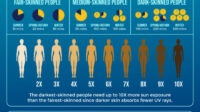
A calmer, more evidence-aligned narrative begins with deficiency. Many people have suboptimal vitamin D levels due to limited sunlight exposure, skin pigmentation factors, seasonal variation, dietary patterns, and geographic latitude. In such cases, restoring normal vitamin D status might reduce immune dysregulation.
Importantly, deficiency correction is different from high-dose therapy for everyone. Repletion is about bringing levels back into a reasonable range. It’s less about chasing extremes and more about stabilizing baseline biology.
In this perspective, vitamin D becomes a foundational element. If the foundation is shaky, reinforcement may help the structure stand straighter. If the foundation is already solid, extra supplementation may offer diminishing returns.
The Immune System Angle: How Vitamin D May Influence Autoimmunity
Vitamin D interacts with immune cells and influences gene expression through the vitamin D receptor. It can affect the balance between pro-inflammatory and regulatory responses. It may encourage a less inflammatory tone and support processes that keep immune activity from running wild.
Yet autoimmune diseases are not uniform. Multiple pathways can ignite the same destructive outcome. For some conditions, vitamin D may be more relevant; for others, it may be only one thread in a much larger tapestry.
This is the crux of the shift in perspective: vitamin D might be a contributing factor, not a master key.
Risk Matters: The Fine Print of High-Dose Supplementation
High-dose vitamin D is not merely a “stronger vitamin.” Because it is fat-soluble, excessive intake can lead to toxic calcium levels. Symptoms of vitamin D excess may include nausea, constipation, excessive thirst, frequent urination, confusion, and in severe cases, kidney complications.
Another subtle risk is the false sense of security. When people believe a cure is within reach, adherence to proven treatment can weaken. That can be far more harmful than the supplement itself.
The most responsible curiosity is not “What’s the biggest dose?” but “What level is appropriate for this body right now?”
Who Might Benefit: The Case for Personalized, Lab-Guided Thinking
Vitamin D’s potential value is often framed best in individuals with measurable insufficiency. Those with low serum 25-hydroxyvitamin D are more likely to see meaningful changes after supplementation. Still, “meaningful” doesn’t mean “curative.” It means improved alignment with normal physiology.
Personalization includes more than lab numbers. It includes comorbidities, kidney function, concurrent medications, baseline calcium intake, and overall treatment plan for the autoimmune condition. Some people may also have absorption issues that complicate supplementation.
Curiosity becomes powerful when it turns into a plan: test, interpret, adjust—then reassess.
What About Patients Who Claim Dramatic Improvement?
Stories of remission and symptom relief can be compelling. They often carry emotional weight and deserve respectful attention. Yet improvements can occur for many reasons: natural disease fluctuations, concurrent medication changes, reduced stress, improved sleep, dietary alterations, or even placebo-mediated effects.
Vitamin D could be a factor in some cases. But even when it appears to correlate with improvement, the causal arrow is rarely as simple as “vitamin D cured it.” Autoimmune disease has a stubborn tendency to surprise us—good weeks happen, flare cycles recur, and remissions can arrive for reasons that do not fit neatly on a supplement label.
The narrative shift here is subtle: correlation is not conquest.
A More Grounded Conclusion: Hope Without the Hype
Can high-dose vitamin D cure autoimmune disease? The most honest answer is: it’s not supported as a cure. But that doesn’t mean vitamin D is irrelevant. In a deficiency context, it may help normalize immune behavior and reduce inflammatory strain. In the bigger picture, it can be part of a health strategy—alongside evidence-based treatments, lifestyle support, and careful medical guidance.
Let the myth lose its halo. Keep the curiosity—then aim it with precision. When vitamin D is treated as a regulator instead of a miracle, the conversation becomes safer, more intelligent, and more likely to deliver real-world benefit.