It’s easy to think numbers are destiny. You see “400 IU” or “600 IU” on a label, you feel reassured by the tidy arithmetic, and you assume the body will simply comply. But when deficiency is severe, the story doesn’t follow the label. The most common dosage mistake isn’t taking too little vitamins—it’s taking the wrong kind of plan for the severity of the problem. And once you notice that mismatch, everything changes: symptoms feel less mysterious, progress becomes more intelligible, and the next decision stops being a guess.
600 IU vs. Severe Deficiency: Why the Body Doesn’t Do “One Size Fits All”
Vitamin D is often framed like a dimmer switch—turn it up, and the room brightens. Yet severe deficiency behaves more like a broken lighting system with corroded wiring. The body doesn’t merely need a small boost; it needs a reset.
“600 IU” is frequently treated as a universal baseline, but baselines are designed for maintenance, not rescue missions. Severe deficiency typically requires a more assertive repletion approach—something closer to a temporary higher dosing strategy—followed by a maintenance regimen. Without that initial correction phase, 600 IU may be like tossing pebbles into a dry well: you can measure effort, but not the outcome you want.
Consider two people. One has a mild deficiency and near-normal stores. Another has profound depletion—often after limited sun exposure, malabsorption, obesity-related sequestration, kidney or liver complications, certain medications, or prolonged insufficient intake. Those are not cosmetic differences. They change the entire pharmacologic landscape.
The Quiet Problem: Dosing Without Measuring the Starting Point
The dosage mistake begins long before pills appear in a hand. It starts with the assumption that vitamin D needs are predictable. In reality, the starting point is the controlling variable. A lab result is not bureaucratic paperwork—it’s a map. Without it, dosing becomes interpretive dance.
Severe deficiency usually correlates with low 25-hydroxyvitamin D levels. That marker reflects circulating stores more reliably than casual intake. When dosing is chosen without confirming severity, people often under-treat while expecting a dramatic turnaround.
Even if you take 600 IU consistently, you might still fail to reach target levels. The body may keep drawing from an exhausted reserve while you attempt to rebuild it slowly—like trying to restore bone density while the quarry keeps producing rubble.
Absorption Is Not Guaranteed: The “IU” Number Can Be Deceptively Innocent
IU counts are tidy; physiology is not. Vitamin D absorption varies across individuals and can be affected by diet composition (especially dietary fat), gut integrity, and medication interactions.
Some people have malabsorption syndromes, inflammatory gut conditions, bariatric surgery history, or chronic pancreatitis. Others take drugs that influence vitamin metabolism. For them, 600 IU might not represent 600 IU that actually enters circulation.
That’s why the same dose can act like a placebo for one person and a modest help for another. A more useful question than “How many IU?” is “How much is my body actually absorbing and utilizing right now?”

How Repletion Works: The Difference Between Maintenance and Correction
Maintenance dosing is designed to cover typical daily needs when stores are already adequate. Correction dosing is designed to rebuild depleted stores efficiently. Severe deficiency often requires an initial loading or repletion phase—followed by maintenance.
Without that phased strategy, your supplementation may be chronically underpowered. You keep paying into an emergency fund with small coins while the crisis remains unresolved. The symptoms may improve slightly, but the biochemical correction that stabilizes muscle function, bone metabolism, and immune signaling may lag.
This is also where patience needs re-calibration. Vitamin D status doesn’t flip overnight; it takes weeks to months for levels to normalize and stabilize. But if the dosing is too conservative for severe deficiency, waiting won’t compensate for insufficient “repletion pressure.”
Symptoms Don’t Always Announce “Vitamin D Deficiency” Like a Siren
Many people expect deficiency to announce itself clearly—fatigue, body aches, or frequent infections. Yet symptoms can be nonspecific, overlapping with iron deficiency, thyroid issues, inflammatory conditions, and general nutritional insufficiency.
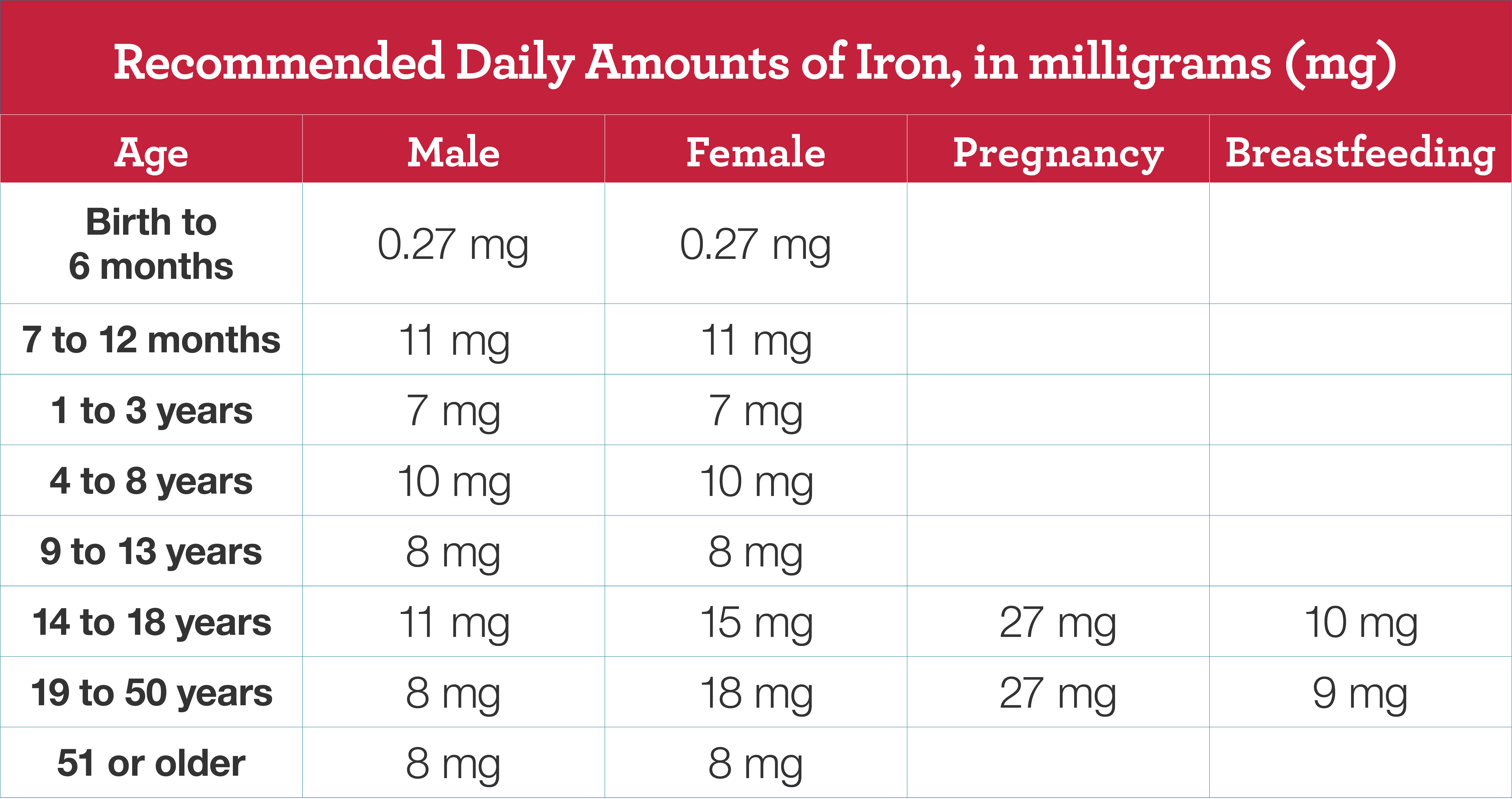
That’s one reason the dosage mistake persists: people try to fix a suspected cause without confirming the true problem. A person with severe iron-deficiency anemia, for example, may feel drained and dizzy regardless of vitamin D intake. Their body might be asking for iron repletion, not vitamin D alone.
When symptoms don’t align with lab results, it’s a sign to stop guessing and start measuring. Severe deficiency is rarely a solo act; it often travels with other nutritional or metabolic issues.
Bone, Muscles, and the Strange Mathematics of Recovery
Vitamin D is a backstage manager for calcium and phosphate balance. When stores are depleted, the downstream effects can include impaired mineralization and muscle weakness. That can make recovery feel sluggish even when you’re “doing everything right.”
Bone remodeling is not a single event; it’s a continuous negotiation between resorption and formation. Severe deficiency may tip the balance toward breakdown. A small daily dose might not sufficiently shift the equilibrium.
Muscle function adds another layer. Strength and coordination can decline with prolonged low vitamin D. When deficiency is deep, “a little extra” may not restore muscle performance quickly enough to change how you feel day-to-day.
The result is a cycle: people take 600 IU, wait, feel no meaningful change, then conclude the supplement “doesn’t work.” Often, the supplement is not the issue—the dosing strategy for the deficiency severity is.
The Vitamin D + Other Nutrients Trap: Why Fixing One Link Isn’t Always Enough
Vitamin D doesn’t work in isolation. Calcium intake, magnesium status, and overall dietary patterns influence outcomes. If someone is severely deficient in multiple nutrients, correcting one can reveal how persistent the others remain.
Iron deficiency is a common companion. While vitamin D supports broader physiologic processes, iron deficiency anemia affects oxygen delivery and energy metabolism. The body may still feel profoundly fatigued even after vitamin D stores begin to rise.
So when people try to treat severe deficiency with a modest dose, they may be unintentionally ignoring a second problem that continues driving symptoms. It’s not uncommon for the “600 IU” plan to become a distraction—an attempt at simplicity that delays a more comprehensive correction.
How to Think Like a Clinician (Without Becoming One)
Instead of asking whether “600 IU” is good or bad, ask a more precise set of questions. What was the initial lab level? What is the goal range? How quickly should levels rise? Are there absorption barriers? Is there concurrent deficiency—iron, magnesium, calcium, or others—that could be shaping the symptom picture?
Clinically, repletion plans are typically individualized. They reflect severity, risk factors, comorbidities, and re-test timing. That approach reduces the odds of doing the right act with the wrong choreography.
Curiosity can help here. If you notice you’re still “not better” after weeks of supplementation, it’s not proof that vitamin D is irrelevant. It may be proof that the dosage framework was insufficient for correction.
Safety Matters: Why Dose Should Be Coordinated, Not Randomly Escalated
There’s a temptation to swing from underdosing to overcorrecting. That’s the second mistake, the mirror image of the first. Vitamin D excess can create problems, particularly when combined with high calcium intake or when dosing is uncontrolled.
The wise path is coordination: targeted dosing based on severity, reassessment after a reasonable interval, and a shift to maintenance once stores normalize. Lab-guided dosing is the difference between “supplementing” and “treating.”
This is also where symptoms become data. If new issues appear—nausea, unusual thirst, persistent constipation, or other concerning changes—professional evaluation should be sought promptly.

Reframing the Narrative: From Pills to Strategy
The deepest promise hidden inside this dosage mistake is perspective. A label number like 600 IU is not a verdict. It’s a starting point—sometimes an inadequate one.
When deficiency is severe, what matters most is the strategy: the initial correction phase, attention to absorption realities, alignment with concurrent nutritional needs, and re-testing to confirm that biochemical targets are being reached.
So the next time someone says, “Just take 600 IU,” pause. Ask what severity they’re assuming. Ask what lab result they’re responding to. Ask whether the plan is maintenance masquerading as correction.
Then choose curiosity over compliance. Your body doesn’t need blind repetition. It needs an intelligent plan that matches the magnitude of the problem.