Have you ever wondered why two people can take the same vitamin D dose and yet feel completely different—like one body is turning the “sunlight key” smoothly, while the other is still fumbling with the lock? The answer often lives in a less glamorous detail: when you take it. Splitting vitamin D between morning and night can be a quiet upgrade to absorption, comfort, and consistency—especially if your routine feels chaotic, forgetful, or just plain busy.
Why timing matters more than you think
Vitamin D is fat-soluble, meaning it behaves like a tiny hitchhiker that prefers traveling alongside dietary fats. That alone suggests timing and meals can influence how efficiently your body incorporates it. But there’s another twist: your digestive rhythms and daily metabolic tempo shift between morning alertness and evening decompression.
Taking vitamin D all at once may be perfectly fine for many people. Still, splitting the dosage can help reduce peaks and troughs in absorption. Think of it like distributing weight on a bridge rather than loading it all at the center. You may not notice anything dramatic at first, yet your body often appreciates steadier delivery.
Another challenge: vitamin D doses sometimes clash with routines—breakfast is skipped, lunch is random, dinner is delayed. If you rely on a single “anchor” time, missed doses can become a pattern.

Morning vs. night: what changes physiologically?
Morning tends to bring stronger alertness and a more predictable eating schedule for many people. Digestion can be more active after waking, and people often have a consistent breakfast or early meal. Evening, on the other hand, frequently includes a more substantial dinner for those who work late, and dinner often includes more dietary fat—helpful for fat-soluble nutrients.
So does morning or night “win”? Not automatically. Instead, the goal is synergy: align each portion with a meal that contains some fat and fits your lifestyle. A small morning dose after breakfast and a second dose after dinner can be more manageable than forcing a single large swallow at an inconvenient time.
Here’s a playful challenge: if you’re the type who drinks coffee and forgets to eat, your “morning vitamin D” might land on an empty stage. Consider pairing it with a real meal rather than letting it drift into the day like a stray thought.
Step one: confirm your dose type and strength
Before splitting anything, verify the form and amount you’re taking. Vitamin D may come as cholecalciferol (D3) or ergocalciferol (D2), and the strength can range from modest maintenance to higher therapeutic regimens. The label matters because “more” isn’t always better, and splitting is not a substitute for dosing accuracy.
If your product is a softgel, splitting may not be straightforward. Some capsules are not designed to be divided. If your vitamin D is in liquid form, splitting can be simpler and more precise. Tablets sometimes allow splitting, but only if the manufacturer states it’s safe for the specific formulation.
Meticulous handling beats improvisation. A common pitfall is “eyeballing” half without considering that the dose might not be uniformly distributed inside the capsule.
Step two: split the dosage into two anchor meals
A practical approach is to split your total daily amount into two portions taken with breakfast and dinner. If your total daily dose is, for example, 1,000–2,000 IU, dividing it into two 500–1,000 IU portions is a straightforward rhythm for many routines.
Short version: take half in the morning with food, half in the night with food. Long version: aim for meals that include dietary fats. Vitamin D often rides along with digestion, and fat content can influence how well the nutrient is packaged for transport.
If your dinner is lighter or you eat very low-fat, consider how that affects the night portion. You don’t need indulgence—just compatibility. A simple pairing like eggs, yogurt, olive oil, avocado, or a small serving of nuts can help provide the “absorption entourage.”

What if your schedule is irregular?
Life rarely follows a neat calendar. If mornings are rushed and evenings become unpredictable, splitting can still work—just with flexibility. Use meal-based timing rather than clock-based timing.
For example, if breakfast is delayed, you can take the morning portion at the first substantial meal you actually eat. If dinner is skipped, shift the second portion to the next meal rather than extending too long and turning the “night” dose into an accidental afterthought.
A potential challenge: missing a dose can create guilt, which can lead to doubling later. Doubling is often unnecessary and can complicate steady intake. Instead, keep the plan simple: take the missed portion when convenient, then resume your split schedule.
How to choose the right meal pairing (without overthinking)
You want a meal that’s not purely carb-based. The goal is not to chase high-fat diets; it’s to provide the digestive environment vitamin D likes. Think of it as giving vitamin D a helpful conductor.
Try these pairing ideas:
Morning options: eggs with toast, yogurt with fruit and nuts, oatmeal with milk, or a smoothie that includes some fat (like nut butter).
Night options: salmon with vegetables, chicken with olive oil dressing, rice with beans and olive oil, or a dairy-based soup.
If your diet is very lean or you’re managing specific conditions, consistency matters even more. A split schedule can still be beneficial, but the meal pairing should be considered thoughtfully.
Consistency, not perfection
Vitamin D levels respond over weeks, not hours. That means the most effective strategy is steady behavior. Splitting the dose may help absorption patterns, but the bigger picture is adherence: can you take it reliably?
Short sentence: consistency is the real superpower. Long sentence: when you take vitamin D at the same two points daily—breakfast and dinner—your body experiences a more predictable influx, which can reduce the “all-or-nothing” uncertainty of single-dose routines.
Use tools: a pill organizer, smartphone reminders, or linking the dose to the rituals you already perform (like brushing teeth or starting coffee). The goal is to make it automatic, not heroic.
Safety considerations and when to pause the plan
Splitting vitamin D is generally a practical technique, but there are safety considerations. High doses should be handled carefully, especially if you have kidney disease, a history of high calcium, or conditions that affect vitamin D metabolism.
Also consider interactions with medications and supplements. Some treatments influence calcium handling or vitamin D activation pathways. If you’re taking additional fat-soluble vitamins, calcium, or medications, it’s wise to ensure the total picture is coherent.
If you experience symptoms such as excessive thirst, frequent urination, unusual fatigue, or constipation, it’s important to reassess dosage and seek professional guidance.
How to monitor progress (and avoid the guesswork trap)
Monitoring is where strategy becomes evidence. Blood tests measuring 25-hydroxyvitamin D can show whether your intake is achieving the desired range. If you’re splitting doses, labs can help confirm that your routine is working rather than merely “feeling” right.
Plan testing with a healthcare professional. A common rhythm is to recheck levels after several weeks of consistent dosing, then adjust based on results and symptoms. The split schedule can stay intact while the dose is refined.
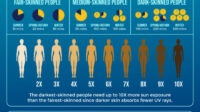
Finally, remember: vitamin D isn’t a standalone story. Sun exposure, diet, body composition, latitude, and seasonality all influence outcomes.
A simple split schedule you can start with
If your regimen allows splitting, a clean starting blueprint looks like this: take half with breakfast and half with dinner, ideally with meals that include some dietary fat. Keep it consistent for at least several weeks, then assess results via blood work and how you feel.
And here’s a final playful question to keep you honest: if someone watched your day, would they be able to guess when your vitamin D happens—because it’s tied to breakfast and dinner—rather than because you happened to remember once?
Make it repeatable. Make it meal-based. Make it calm.