For athletes, the body is a finely tuned instrument—yet most training plans treat vitamin D like a background instrument. That’s the twist. Vitamin D isn’t merely a “health checkbox.” It behaves more like a backstage conductor, orchestrating calcium handling, immune readiness, neuromuscular performance, and the quieter processes that shape recovery. If you’ve ever wondered why two athletes can follow identical programs while one bounces back faster, vitamin D may be part of the answer. And the deeper you look, the more your perspective shifts—from “Do I take it?” to “How does my body actually use it?”
Why Athletes Keep Running Into the Same Vitamin D Mystery
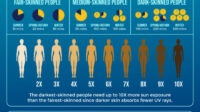
Most athletes think of performance as a graph: training volume goes up, results follow. Vitamin D disrupts that simplicity. It’s fat-soluble, stored in adipose tissue, and its levels can swing with sunlight exposure, seasonality, travel, skin pigmentation, body composition, and latitude. A person can train diligently and still drift into insufficiency, especially during long indoor seasons or winter months.
Here’s where curiosity pays off: vitamin D doesn’t work in isolation. When levels are low, calcium absorption can falter, muscle contraction efficiency may decline, and immune function can become less resilient—subtly increasing susceptibility to illness and prolonging the “drag” that follows heavy training blocks. In other words, vitamin D can change the quality of your recovery even if your workouts don’t change.
And recovery isn’t just soreness. It includes nervous system recalibration, inflammation resolution, and the rebuilding of tissues. Vitamin D sits near the crossroads where these processes converge, which is why athletes sometimes notice improved training consistency after correcting a deficiency.
The Athletic Payoff: Performance, Recovery, and the Quiet Biochemistry
When vitamin D status improves, the benefits athletes often describe are not always dramatic—until you zoom out. Think of it like widening the bandwidth of your physiology. Strength gains may feel sturdier. Endurance sessions may feel more repeatable. Illness frequency can decline. Recovery can feel less “fragile,” meaning you’re less likely to lose momentum after tough weeks.
Neuromuscular performance is particularly relevant. Vitamin D contributes to muscle function pathways and may influence muscle fiber performance indirectly through calcium regulation and cellular signaling. The practical takeaway: athletes who are insufficient may experience small deficits that compound across training cycles.
Recovery also leans on immune and inflammatory balance. Vitamin D supports immune modulation, which can influence how your body handles the aftermath of strenuous training. When your immune system behaves more elegantly, you spend less time in the slow lane.
Understanding the Numbers: What “Dosage” Really Means
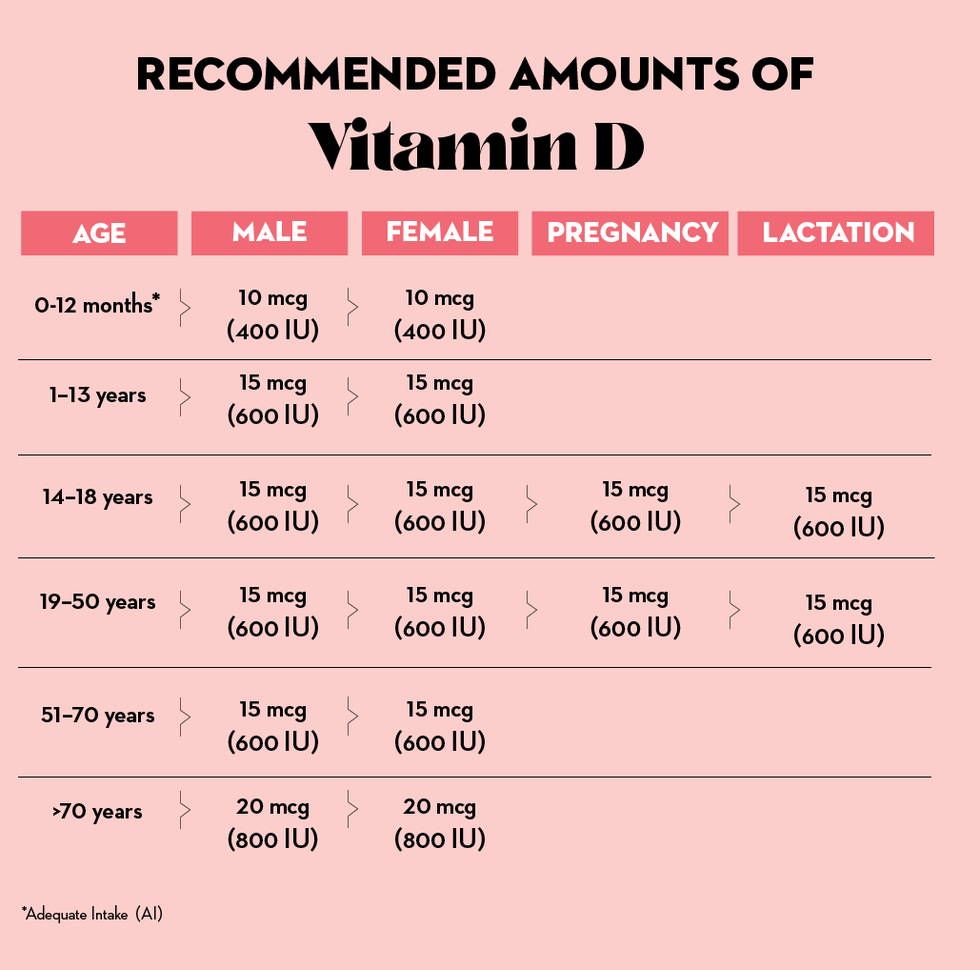
Vitamin D dosage isn’t one-size-fits-all. The target is your 25-hydroxyvitamin D level (often written as 25(OH)D). This marker reflects vitamin D stores and is the most commonly used gauge.
Different athletes can respond differently to the same dose because of baseline status, absorption, body fat percentage, dietary intake, and adherence. Even the form matters: vitamin D3 (cholecalciferol) is frequently preferred because of its robust effects on raising 25(OH)D.
So the real question becomes: What do you need to reach sufficiency, and then how do you maintain it? Athletes often leap to maintenance dosing, but if they start low, maintenance alone may not be enough. That’s where a “shift in perspective” changes everything: think in phases.
Common Target Ranges and the Logic Behind Them
Clinicians and sport nutrition professionals often use ranges to interpret vitamin D status. While specific cutoffs vary by guideline, the concept is consistent: insufficient levels can impair physiological functions that matter to training, while adequate levels help your body operate closer to optimum.
For athletes, the objective is practical sufficiency rather than theoretical perfection. However, repeatedly overshooting can also be unwise. Vitamin D is stored—so accumulation is possible, particularly with high-dose repetition without monitoring.
The smartest approach is to treat vitamin D like a training variable: measure, adjust, reassess. That’s how you stop guessing and start optimizing.

How Much Should Athletes Take? A Dosage Framework
Instead of chasing a single number, use a dosage framework based on baseline. A typical strategy looks like this:
1) If deficient or clearly insufficient: athletes may need a higher “repletion” dose for a limited period to raise 25(OH)D effectively. Then they transition into a maintenance dose.
2) If already sufficient: maintenance dosing is generally lower and focuses on offsetting seasonal decline, indoor training, and fluctuating sunlight exposure.
3) If borderline: a moderate approach is often used, balancing careful progress with the goal of avoiding unnecessary high dosing.
Exact amounts depend on individual factors. Body weight alone doesn’t dictate dosing, but it influences storage and distribution. If you have higher body fat, you may require more to achieve the same rise in serum levels. If you’re leaner and sun exposure is limited, the equation can look different.
Also, consistency matters. A sporadic approach can produce slower, less predictable changes compared with steady daily or appropriately scheduled dosing.
Vitamin D3 vs. Vitamin D2: Choosing with Intention
Vitamin D3 is commonly used in supplements and is frequently the form that most effectively raises 25(OH)D. Vitamin D2 can also work, but many athletes gravitate toward D3 for its reputation in improving circulating levels.
Another nuance: supplement quality and dosing accuracy matter. Athletes often trust products that provide clear labeling and reliable manufacturing standards. When you’re trying to fine-tune performance-related physiology, “almost right” becomes “not quite optimal.”
If you’re experimenting, start with a sensible plan and measure the outcome. Don’t confuse vitamin D supplementation with an endurance trial. The goal is steady biochemical alignment.
Timing and Absorption: Make the Dose Work Harder
Vitamin D is fat-soluble, so it absorbs better with dietary fat. Timing can influence how smoothly the dose settles into your system. For many athletes, taking vitamin D with a meal that includes healthy fat is more effective than taking it on an empty stomach.
There’s also a behavioral advantage to “habit stacking.” Pair vitamin D with an existing routine—breakfast, post-training meal, or a consistent dinner time. Your compliance becomes your secret weapon.
Travel can complicate timing, but consistency can survive it. The key is to maintain the overall schedule rather than obsessing over exact minutes.
Recovery Blocks, Illness Resistance, and the Seasonal Trap
Think about your training calendar: early-season optimism, mid-season grind, late-season fatigue. Each phase can shift your sunlight exposure and recovery burden. Indoor conditioning blocks, stadium competitions far from the equator, and winter training schedules can quietly drain vitamin D stores.
This is the seasonal trap—athletes often blame “life stress” or “normal fatigue,” but the missing variable might be biochemical. When vitamin D is low, you can feel like you’re doing everything right, yet your body behaves as if the margin for error is smaller.
By planning ahead—using testing in the right season—you can reduce the odds that fatigue becomes a recurring theme.

Safety: The Uncomfortable Truth About Overdoing It
Vitamin D isn’t a harmless garnish. High intakes over time can lead to toxicity, usually through hypercalcemia. This is why monitoring and professional guidance matter, especially when doses are higher than typical maintenance levels.
Symptoms of excessive vitamin D can include nausea, weakness, confusion, and kidney-related complications. Athletes might not connect these to supplementation at first because performance issues can overlap with training fatigue.
The safer mindset is “measured progress.” Use testing, respect upper intake guidance, and avoid stacking multiple vitamin D sources unintentionally (supplements plus fortified foods plus multivitamins).
Testing and Personalization: Turn Guesswork into Strategy
If vitamin D matters for your training quality, it deserves a measurement plan. Athletes often benefit from periodic 25(OH)D blood tests, particularly when starting supplementation, returning after winter, changing locations, or noticing repeated recovery slowdowns.
Personalization also includes diet. Fatty fish, fortified dairy alternatives, egg yolks, and sensible sun exposure can contribute, though many athletes still need supplementation due to practical constraints.
When you test and adjust, you gain a kind of clarity that feels almost tactical: you can align dosage with your training season instead of chasing symptoms.
A Practical Takeaway: Your Next Step Toward Better Recovery
Vitamin D dosage for athletes isn’t about chasing a viral “magic number.” It’s about restoring biochemical fluency so your recovery doesn’t have to fight upstream constraints. Start with awareness, move to measurement, and then refine your dose with consistency.
When vitamin D status is optimized, the payoff is often subtle but cumulative: steadier training, cleaner recovery rhythms, and fewer frustrating interruptions. The shift in perspective is the real performance advantage—turn vitamin D from an afterthought into a deliberate athletic tool.